Bioplastics Guide: Types, Uses, Benefits, and Challenges
Plastic has become a common part of daily life. It is used in food packaging, household items, healthcare products, transportation, agriculture, and many other areas. Traditional plastics are usually made from fossil fuels and can remain in the environment for many years after they are discarded. This has encouraged researchers, manufacturers, and governments to explore different materials that may reduce environmental impact.
One of the materials receiving increasing attention is bioplastics. Although the name sounds straightforward, bioplastics include several different types of materials with different characteristics. Some are made from renewable plant-based resources, while others are designed to break down under specific conditions. Not every bioplastic is biodegradable, and not every biodegradable plastic is made from plants. Understanding these differences is important when learning about this growing field.
This guide explains what bioplastics are, how they are made, where they are used, their advantages, their limitations, and how they may contribute to future sustainability efforts. The goal is to provide clear and practical information for readers who want to understand this evolving material without technical language.
What Are Bioplastics?
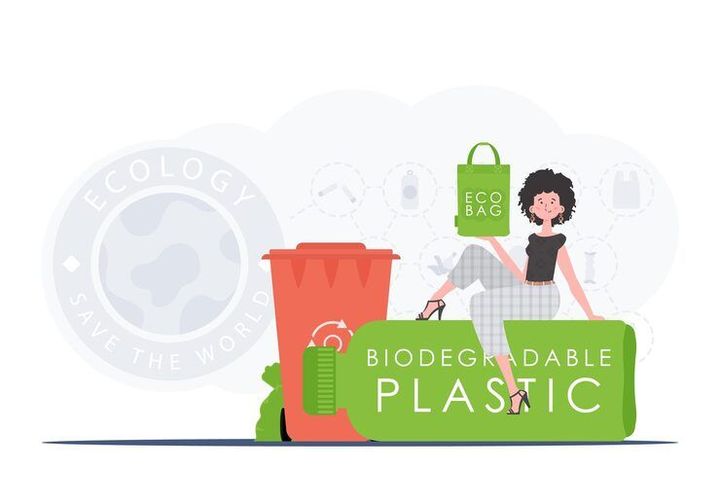
Bioplastics are plastic materials that are either made partly or entirely from renewable biological resources, are biodegradable under certain conditions, or combine both characteristics.
Traditional plastics are generally produced from petroleum or natural gas. In contrast, many bioplastics use plant-based raw materials such as corn starch, sugarcane, potatoes, cassava, vegetable oils, or cellulose.
It is important to remember that the term "bioplastics" covers several categories rather than one single material. Some bioplastics behave much like conventional plastics, while others are designed to decompose in industrial composting facilities.
Because of these differences, understanding the material's properties is more useful than relying on the name alone.
How Are Bioplastics Made?
The production process depends on the type of bioplastic being created.
Many plant-based crops contain starches or sugars that can be converted into natural polymers through biological and chemical processes. These polymers are then processed into pellets, sheets, films, bottles, containers, or molded products.
Some manufacturers also create plastics by fermenting plant sugars into organic compounds before converting them into plastic materials. Other types combine renewable ingredients with conventional plastic components to achieve specific performance characteristics.
Different production methods result in materials with varying flexibility, strength, heat resistance, and durability.
Main Types of Bioplastics
Several categories of bioplastics are commonly used today.
Bio-Based Plastics
These plastics are produced from renewable biological resources but may not naturally decompose after use.
Examples include bio-based polyethylene (Bio-PE) and bio-based polyethylene terephthalate (Bio-PET). They have properties similar to conventional plastics and can often enter existing recycling systems where suitable facilities exist.
Biodegradable Plastics
These materials are designed to break down into natural substances such as water, carbon dioxide, and biomass when exposed to appropriate environmental conditions.
Their decomposition depends on factors such as temperature, moisture, oxygen, and microorganisms. Many biodegradable plastics require industrial composting facilities rather than home compost bins.
Compostable Plastics
Compostable plastics are a specific group of biodegradable plastics that meet recognized standards for decomposition during composting.
They break down within a defined period under controlled composting conditions without leaving harmful residues.
Understanding these categories helps avoid confusion when reading product labels.
Common Materials Used in Bioplastics
Different raw materials are used depending on the intended application.
Some commonly used materials include:
- Corn starch
- Sugarcane
- Potato starch
- Cassava starch
- Cellulose from wood pulp
- Vegetable oils
- Polylactic Acid (PLA)
- Polyhydroxyalkanoates (PHA)
Each material has unique characteristics that make it suitable for different products.
Everyday Uses of Bioplastics
Bioplastics are found in a growing variety of products.
Food packaging is one of the most common applications. Containers, cups, trays, films, and disposable cutlery may use bioplastic materials depending on local regulations and manufacturing requirements.
Agriculture also uses biodegradable mulch films that reduce the need to collect plastic film after harvest.
Healthcare products, cosmetic packaging, electronic accessories, shopping bags, textile fibers, coffee capsules, and disposable tableware may also contain bioplastics.
Some automotive manufacturers use plant-based plastic components in vehicle interiors to reduce reliance on fossil-based materials.
As material technology continues to develop, additional applications are expected across multiple industries.
Benefits of Bioplastics
Bioplastics provide several potential environmental and practical advantages.
Reduced Dependence on Fossil Resources
Many bioplastics use renewable crops rather than petroleum-based raw materials. This helps diversify material sources.
Lower Carbon Footprint
Depending on production methods and raw materials, certain bioplastics may generate lower greenhouse gas emissions during manufacturing compared with some conventional plastics.
Support for Circular Economy Goals
Some bioplastics are designed for recycling, composting, or biological decomposition, depending on the material type and local waste management systems.
Innovation in Material Science
Research continues to improve durability, flexibility, heat resistance, and environmental performance, creating additional possibilities for sustainable product design.
Challenges and Limitations
Although bioplastics present interesting opportunities, they also face several practical challenges.
Not All Bioplastics Are Biodegradable
A common misunderstanding is that every bioplastic naturally disappears after disposal. In reality, many bio-based plastics remain durable and require recycling just like traditional plastics.
Composting Requirements
Some biodegradable plastics only decompose under industrial composting conditions. If they end up in landfills or natural environments, decomposition may occur much more slowly.
Recycling Considerations
Mixing certain bioplastics with conventional plastic recycling streams can create processing challenges if waste is not sorted correctly.
Agricultural Resources
Some bioplastics rely on crops that also have agricultural uses. Researchers continue exploring agricultural waste, algae, and other alternative feedstocks to reduce pressure on farmland.
Bioplastics and Environmental Impact
Bioplastics have the potential to reduce environmental impacts in some situations, but they are not a complete replacement for conventional plastics.
Their overall environmental performance depends on many factors, including raw material production, manufacturing methods, transportation, product lifespan, recycling systems, composting infrastructure, and responsible disposal.
Reducing unnecessary plastic use, improving recycling systems, and developing more sustainable materials all play important roles in addressing plastic waste.
Experts often view bioplastics as one part of a broader strategy rather than a single solution.
How Consumers Can Make Informed Choices
Understanding product labels helps consumers make better decisions.
When choosing products made from bioplastics, it is useful to check whether the material is:
- Bio-based
- Biodegradable
- Compostable
- Recyclable
These terms describe different characteristics and should not be used interchangeably.
Proper disposal is equally important. Following local recycling or composting guidelines helps ensure materials are managed appropriately.
Learning how different plastics are processed also supports more responsible waste management.
Future Developments in Bioplastics
Research into bioplastics continues to expand.
Scientists are studying new raw materials such as algae, agricultural residues, food processing waste, and microorganisms that naturally produce biodegradable polymers.
Manufacturing methods are also becoming more efficient, while researchers work to improve material strength, heat resistance, flexibility, and recycling compatibility.
Governments, universities, and manufacturers are collaborating on projects aimed at reducing plastic pollution while supporting sustainable material development.
As waste management systems continue to evolve, bioplastics may become part of a wider range of everyday products.
Conclusion
Bioplastics represent an important area of material innovation that combines renewable resources with evolving manufacturing technologies. However, they are not all the same. Some are made from plants, some are biodegradable, and some possess both characteristics.
Understanding these differences helps consumers, businesses, and communities make informed decisions about material selection and waste disposal.
While bioplastics alone cannot eliminate plastic pollution, they contribute to broader efforts focused on sustainability, responsible resource use, improved recycling, and smarter product design. Continued research, better waste management infrastructure, and informed public awareness will play important roles in determining how bioplastics fit into the future of global material production.