Blasting machines are essential tools used in modern industrial processes for surface preparation and cleaning. Their development evolved alongside manufacturing and construction needs, enabling faster and more efficient treatment of materials. Today, they are widely used across industries such as automotive, aerospace, and infrastructure maintenance.
These machines operate using different power systems and abrasive materials depending on the application. Some use compressed air, while others rely on centrifugal wheels to accelerate abrasive particles. The selection depends on the required precision and the material being treated.
Common Abrasive Materials
Blasting machines use various materials to achieve different surface finishes. The choice of abrasive directly impacts the final result.
-
Steel shot
-
Steel grit
-
Aluminum oxide
-
Glass beads
-
Garnet
-
Mineral-based sand alternatives
These materials help industries achieve specific levels of cleaning, finishing, and surface roughness required for further processing.

Why Blasting Machines Matter in Modern Industries
Surface preparation is a critical step in industrial workflows. Without proper cleaning, coatings and treatments may fail, leading to corrosion and reduced durability. Blasting machines ensure surfaces are properly prepared for long-term performance.
They are widely used across multiple industries where precision and durability are essential.
Key Industries Using Blasting Machines
-
Automotive manufacturing
-
Shipbuilding and marine maintenance
-
Construction and infrastructure
-
Aerospace engineering
-
Oil and gas maintenance
-
Metal fabrication and steel processing
Industrial Benefits
Blasting machines help solve several operational challenges in industrial environments.
-
Remove rust and corrosion
-
Prepare surfaces for coating and painting
-
Clean machinery and components
-
Improve coating adhesion
-
Restore old structures and equipment
Automation has further increased their importance. Modern systems provide consistent and repeatable results, making them ideal for large-scale production lines.
Recent Developments and Industry Trends
The blasting equipment sector has seen significant advancements in recent years. In 2025, industries increasingly adopted automated systems integrated with digital monitoring tools. These systems track performance metrics such as pressure levels and abrasive usage.
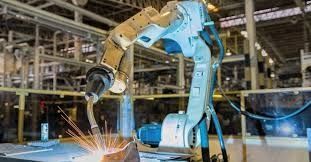
Robotic blasting systems have also gained attention. They allow remote operation, reducing worker exposure to dust and noise while improving safety and efficiency.
Key Trends
-
Advanced dust collection systems
-
Energy-efficient turbine machines
-
Real-time performance monitoring sensors
-
Closed-loop abrasive recycling systems
Infrastructure investments globally have also driven demand for blasting machines. Projects such as bridge restoration and railway upgrades require efficient surface preparation technologies.
Regulations and Safety Standards
Blasting machines are governed by strict safety and environmental regulations. These rules help protect workers and ensure safe industrial practices. In India, guidelines are provided by the Directorate General Factory Advice Service and Labour Institutes (DGFASLI).
Compliance is essential to maintain workplace safety and environmental responsibility.
Key Regulatory Areas
-
Protection from airborne dust
-
Noise exposure limits
-
Machine safety controls
-
Hazard communication
-
Waste disposal compliance
Protective Equipment
Operators must use proper protective gear to minimize risks.
-
Respiratory protection systems
-
Protective blasting suits
-
Air-supplied safety helmets
-
Hearing protection
Helpful Tools and Technical Resources
Professionals use various tools and software to enhance blasting operations. These tools improve efficiency, monitoring, and safety in industrial environments.
Common Tools
-
Surface profile gauges
-
Abrasive consumption calculators
-
Dust monitoring sensors
-
Pressure measurement devices
-
Coating thickness tools
Digital Resources
-
Maintenance management software
-
Equipment monitoring dashboards
-
Surface preparation standards databases
-
Digital inspection tools
Blasting Machine Types Comparison
| Machine Type | Operation Method | Typical Application |
|---|
| Air Blasting Machine | Compressed air propels abrasive | Rust removal, paint cleaning |
| Wheel Blasting Machine | Centrifugal wheel throws abrasive | High-volume industrial cleaning |
| Wet Blasting Machine | Abrasive mixed with water | Dust reduction, delicate surfaces |
| Vacuum Blasting System | Abrasive recovery during blasting | Controlled indoor environments |
Surface Preparation Standards
| Preparation Level | Description |
|---|
| Light Cleaning | Removes loose contaminants |
| Commercial Blast | Removes most rust and coatings |
| Near White Blast | Very clean surface |
| White Metal Blast | Completely clean metal surface |
Frequently Asked Questions
What is a blasting machine used for?
A blasting machine is used to clean and prepare surfaces by projecting abrasive materials at high speed. It removes rust, paint, and contaminants from surfaces like metal and concrete.
What industries commonly use blasting machines?
Industries such as construction, automotive, aerospace, shipbuilding, and metal fabrication commonly rely on blasting machines for surface preparation.
What types of abrasives are used?
Common abrasives include steel shot, aluminum oxide, glass beads, garnet, and mineral-based materials. Each is selected based on the required finish.
Are blasting machines safe?
Yes, blasting machines are safe when used with proper training, safety standards, and protective equipment. Dust control systems are also important for safe operation.
What is the difference between air and wheel blasting?
Air blasting uses compressed air to propel abrasive materials. Wheel blasting uses rotating wheels for high-speed projection, making it suitable for large-scale industrial cleaning.
Additional Insights into Industrial Surface Preparation
Blasting is often one step in a broader surface treatment process. After blasting, materials may undergo coating, painting, or welding depending on the application.
Typical Workflow
-
Surface inspection
-
Abrasive blasting
-
Cleaning and dust removal
-
Coating or painting
-
Quality inspection
Modern facilities also integrate blasting systems with automated conveyor lines. This reduces manual handling and improves efficiency across production stages.
Industry Priorities
| Focus Area | Importance Level |
|---|
| Automation Integration | High |
| Dust Reduction Technology | High |
| Energy Efficiency | Moderate |
| Abrasive Recycling | High |
Conclusion
Blasting machines play a vital role in industrial surface preparation. They improve coating adhesion, remove contaminants, and extend the life of materials used in infrastructure and manufacturing.
Technological advancements such as automation, robotics, and smart monitoring systems are shaping the future of this industry. At the same time, safety regulations and environmental considerations remain key priorities.
As industries continue to modernize and maintain aging infrastructure, blasting machines will remain essential tools. Understanding their applications and safety requirements is important for both professionals and learners in industrial fields.