Bleaching Tower Equipment: Understanding Modern Pulp Mill Bleaching Systems Guide
Bleaching tower equipment is an important part of modern pulp and paper manufacturing equipment used to improve the brightness and cleanliness of pulp before it becomes paper or paperboard products. In a pulp mill, bleaching removes or reduces the remaining lignin after the initial pulping process while helping preserve the strength of the cellulose fibers.
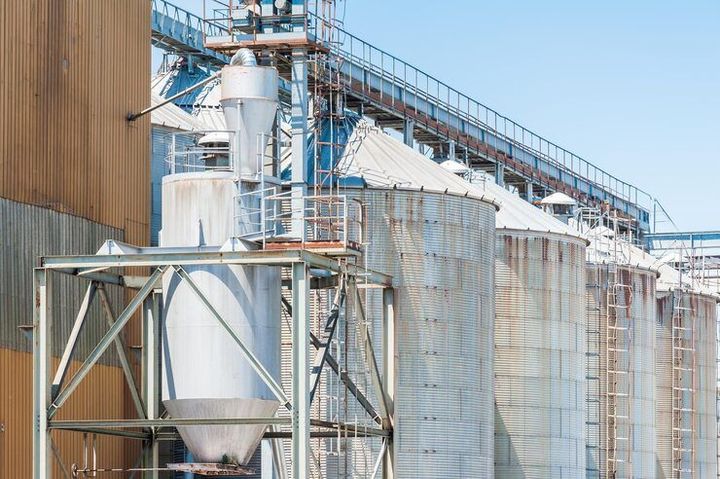
A paper mill bleaching tower is a large vertical vessel where pulp remains under carefully controlled conditions while bleaching chemicals react with the fibers. These towers operate together with pumps, mixers, chemical dosing systems, washing equipment, and automation controls to form complete pulp bleaching systems.
Industrial pulp processing equipment has evolved over many decades. Earlier bleaching methods relied heavily on chlorine-based chemicals, while many modern mills use combinations of oxygen, chlorine dioxide, hydrogen peroxide, ozone, and other approved bleaching processes designed to improve efficiency and reduce environmental impact.
Today, enterprise pulp and paper manufacturing solutions combine bleaching equipment, process automation, digital monitoring, and quality control into integrated manufacturing operations.
How the Bleaching Process Works
After wood chips are converted into pulp through mechanical or chemical pulping, some lignin remains attached to the cellulose fibers. Excess lignin can affect paper brightness and appearance.
The pulp moves through multiple bleaching stages, each designed to remove additional lignin while protecting the fiber structure. Between stages, washing systems remove dissolved materials before the pulp enters another bleaching tower.
Oxygen delignification equipment is commonly positioned before the main bleaching sequence. This process removes part of the remaining lignin, reducing the amount of bleaching chemicals required later.
Main Equipment Used
Modern pulp bleaching systems consist of numerous integrated machines and process units.
Typical equipment includes:
- Bleaching tower equipment
- Oxygen delignification equipment
- Chemical mixing systems
- High-consistency pumps
- Pulp washers
- Screening equipment
- Heat exchangers
- Storage tanks
- Process control systems
- Paper mill automation systems
Each system contributes to stable production and consistent pulp quality.
Importance
Supporting Paper Manufacturing
Bleaching is an important step in producing many grades of paper used for books, packaging, printing, tissue products, office paper, and specialty applications.
Without proper bleaching, many paper products would have darker color and different appearance characteristics.
Improving Pulp Quality
Pulp bleaching systems help reduce residual lignin while maintaining fiber strength. Careful process control allows manufacturers to achieve the desired brightness and cleanliness for different paper products.
Different grades of paper require different bleaching sequences depending on their intended use.
Supporting Resource Efficiency
Modern industrial pulp processing equipment focuses on improving chemical utilization, water management, and energy efficiency throughout production.
Improved equipment design helps optimize manufacturing processes while reducing unnecessary resource consumption.
Enabling Continuous Production
Large paper mills often operate continuously. Paper mill process equipment allows bleaching operations to function as one stage within an integrated manufacturing process.
Automation helps coordinate pulp movement between multiple production stages.
Supporting Digital Manufacturing
Paper mill automation systems continuously monitor temperature, pulp consistency, chemical flow, pressure, retention time, and other operating conditions.
Operators use this information to maintain stable manufacturing performance.
Major Components of Pulp Bleaching Systems
Bleaching Towers
A paper mill bleaching tower provides sufficient time for bleaching reactions to occur under carefully controlled operating conditions.
Tower size varies according to production capacity and process design.
Oxygen Delignification Equipment
Oxygen delignification equipment removes part of the remaining lignin before the primary bleaching stages.
This process often improves overall bleaching efficiency.
Washing Equipment
Washing systems remove dissolved lignin and residual chemicals between bleaching stages.
Effective washing supports the performance of subsequent bleaching operations.
Chemical Preparation Systems
Chemical preparation equipment mixes and delivers bleaching chemicals in controlled quantities throughout production.
Process Automation
Paper mill automation systems coordinate equipment operation using sensors, programmable controllers, and centralized monitoring software.
Typical Equipment in a Bleaching Process
| Equipment | Primary Function |
|---|---|
| Bleaching tower equipment | Perform bleaching reactions |
| Oxygen delignification equipment | Remove residual lignin |
| Pulp washers | Clean pulp between stages |
| Chemical preparation systems | Prepare bleaching chemicals |
| Pumps | Move pulp through production |
| Heat exchangers | Control process temperature |
| Screening equipment | Remove unwanted particles |
| Automation systems | Monitor and control production |
These systems work together throughout the bleaching process.
General Bleaching Process
| Manufacturing Stage | Purpose |
|---|---|
| Pulp preparation | Prepare incoming pulp |
| Oxygen delignification | Reduce remaining lignin |
| Washing | Remove dissolved materials |
| Bleaching tower stages | Increase pulp brightness |
| Final washing | Remove remaining chemicals |
| Quality inspection | Verify pulp characteristics |
Each stage contributes to the finished pulp used for paper manufacturing.
Recent Updates
Expanded Process Automation
Between 2024 and 2026, many pulp mills have continued expanding paper mill automation systems throughout bleaching operations.
Digital monitoring helps operators observe production conditions in real time.
Improved Process Control
Modern bleaching systems increasingly use advanced sensors to measure pulp consistency, chemical concentration, temperature, and flow rates throughout production.
Continuous monitoring supports stable operating conditions.
Greater Environmental Focus
Many paper manufacturers continue improving water recycling, chemical efficiency, and energy management within pulp bleaching systems.
Equipment modernization often focuses on reducing environmental impact while maintaining production quality.
Artificial Intelligence Applications
Some enterprise pulp and paper manufacturing solutions now incorporate artificial intelligence to analyze production information, identify operating trends, and support predictive maintenance.
These tools complement existing automation systems.
Equipment Modernization
Older paper mill process equipment continues being upgraded with improved pumps, digital controls, energy-efficient drives, and enhanced monitoring technologies.
Laws or Policies
Environmental Regulations
Pulp mills generally operate under environmental regulations governing water discharge, air emissions, waste handling, and chemical management.
Requirements vary according to national and regional authorities.
Workplace Safety
Industrial bleaching operations follow workplace safety regulations covering chemical handling, pressure vessels, rotating machinery, confined spaces, and emergency procedures.
Product Quality Standards
Paper manufacturing commonly follows recognized quality standards appropriate for different paper grades and industrial applications.
Industrial Inspection
Pressure vessels, piping systems, and process equipment often require regular inspection according to applicable engineering standards.
Sustainable Forestry Policies
Many paper manufacturers obtain raw materials through forestry programs that promote responsible forest management and long-term resource planning.
Tools and Resources
Students, engineers, researchers, and manufacturing professionals use numerous educational resources related to pulp processing.
Useful resources include:
- Pulp and paper engineering textbooks
- Process simulation software
- Manufacturing automation platforms
- Engineering standards organizations
- Environmental guidance publications
- Industrial instrumentation manuals
- University research journals
- Manufacturing execution systems
- Digital monitoring software
- Technical conference publications
These resources explain pulp processing technologies, equipment operation, and manufacturing practices.
FAQs
What is bleaching tower equipment?
Bleaching tower equipment consists of large industrial vessels where pulp undergoes controlled bleaching reactions during paper manufacturing.
What is the purpose of oxygen delignification equipment?
Oxygen delignification equipment removes part of the remaining lignin before the main bleaching stages, helping improve overall bleaching efficiency.
How do pulp bleaching systems improve paper production?
Pulp bleaching systems reduce residual lignin, improve pulp brightness, and prepare fibers for manufacturing many types of paper products.
What equipment is commonly included in paper mill process equipment?
Paper mill process equipment may include bleaching towers, pumps, pulp washers, chemical preparation systems, screening equipment, heat exchangers, and paper mill automation systems.
What are enterprise pulp and paper manufacturing solutions?
Enterprise pulp and paper manufacturing solutions combine industrial pulp processing equipment, automation systems, production monitoring, quality management, and manufacturing software within integrated production facilities.
Conclusion
Bleaching tower equipment plays a central role in modern pulp and paper manufacturing by improving pulp quality before paper production. Pulp bleaching systems, oxygen delignification equipment, and paper mill automation systems work together to support efficient industrial operations. Advances in digital monitoring, automation, and environmental management continue influencing the development of industrial pulp processing equipment. These technologies remain important components of modern paper manufacturing facilities.