Cable Manufacturing Resources Guide for Materials, Processes, and Industry Knowledge
Cable manufacturing resources play an important role in the production of electrical, communication, and data transmission systems used worldwide.
These resources include raw materials, technical standards, educational materials, cable manufacturing equipment, testing systems, and industry publications that support wire and cable manufacturing activities.
The history of cable production developed alongside the growth of electricity and telecommunications. Early cables were simple conductors designed to transmit electrical power. Over time, advances in materials science and engineering introduced specialized products for industrial, residential, and communication applications.
Today, cable manufacturers produce a wide range of products, including power transmission cables, fiber optic networks, automotive wiring systems, and communication cables. The industry depends on cable production machinery, quality control systems, and technical knowledge to ensure cables perform safely and efficiently.
As global infrastructure expands, the demand for reliable information about power cable manufacturing, telecom cable manufacturers, and fiber optic cable manufacturing continues to grow. Understanding the resources available in this sector helps people learn how cables are designed, produced, tested, and regulated.
Importance
Why Cable Manufacturing Matters
Modern life depends heavily on cables. Electricity, internet access, telecommunications, transportation systems, and industrial operations all rely on cable networks.
Without properly manufactured cables, essential systems may experience interruptions, safety risks, or reduced performance. This is why electrical cable manufacturers invest significant effort in maintaining quality standards throughout production.
Everyday Applications
Cable manufacturing supports many aspects of daily life, including:
- Residential electrical wiring
- Commercial power distribution
- Internet and broadband connectivity
- Mobile communication networks
- Renewable energy installations
- Transportation infrastructure
- Data centers and cloud computing facilities
Supporting Infrastructure Growth
As cities expand and technology adoption increases, the need for dependable cable systems also grows. High voltage cable manufacturers help support large-scale electricity transmission, while telecom cable manufacturers contribute to communication networks that connect businesses and households.
Fiber optic cable manufacturing has become particularly important because optical fibers can transmit large amounts of data over long distances with minimal signal loss.
Role of Manufacturing Resources
Cable manufacturing resources help organizations improve product consistency and efficiency. Examples include:
- Technical manuals and engineering guides
- Material specifications
- Industry standards
- Cable testing equipment documentation
- Production process references
- Research publications
- Training materials for manufacturing personnel
These resources help manufacturers understand evolving technologies and production requirements.
Recent Updates
Increased Focus on Smart Manufacturing
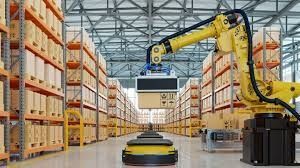
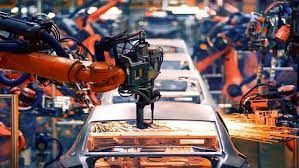
Recent developments in wire and cable manufacturing have emphasized automation and digital monitoring. Many production facilities now use advanced sensors and data collection systems to track manufacturing performance.
Automated cable extrusion machines can help improve consistency during insulation and sheathing processes by monitoring temperature, pressure, and material flow in real time.
Growth of Renewable Energy Projects
The expansion of renewable energy infrastructure has increased demand for specialized power cable manufacturing. Wind farms, solar facilities, and energy storage projects require cables designed for challenging environmental conditions.
This trend has encouraged greater attention to cable durability, environmental performance, and long-term reliability.
Expansion of Fiber Optic Networks
Fiber optic cable manufacturing continues to receive attention due to the growth of broadband connectivity and cloud-based technologies. Many regions are expanding fiber infrastructure to support higher data transmission requirements.
As a result, manufacturers are developing new fiber designs that improve installation flexibility and network performance.
Enhanced Testing and Quality Verification
Cable testing equipment has become increasingly sophisticated. Modern testing systems can evaluate:
- Electrical conductivity
- Insulation resistance
- Mechanical strength
- Environmental durability
- High-voltage performance
- Optical transmission characteristics
These testing methods help identify potential issues before cables are deployed in real-world applications.
Sustainability Considerations
Environmental considerations are influencing manufacturing decisions across many industries, including cable production. Manufacturers are exploring recyclable materials, reduced waste processes, and energy-efficient production methods.
These developments reflect broader industrial efforts to reduce environmental impact while maintaining product performance.
Laws or Policies
Product Safety Regulations
Cable manufacturing is influenced by national and international safety requirements. Governments often establish regulations to ensure cables meet minimum performance and safety standards before entering the market.
These regulations typically address:
- Electrical safety
- Fire resistance
- Material quality
- Environmental compliance
- Product labeling requirements
Standards Organizations
Several standards organizations contribute to cable industry requirements. Their technical documents provide guidance for design, testing, and manufacturing processes.
| Organization Type | Main Focus |
|---|---|
| Electrical Standards Bodies | Electrical safety and performance |
| Telecommunications Standards Groups | Communication cable requirements |
| Testing and Certification Organizations | Product verification and compliance |
| Environmental Regulatory Agencies | Material and environmental regulations |
Infrastructure and Energy Policies
Government programs related to electrification, broadband expansion, transportation development, and renewable energy can influence demand for cable products.
For example, investments in power grids may increase the need for high voltage cable manufacturers, while broadband initiatives can contribute to growth in fiber optic cable manufacturing.
Environmental Compliance
Manufacturers must often comply with regulations governing material usage, waste management, and environmental protection. These policies encourage responsible production practices and help reduce environmental risks associated with industrial operations.
Tools and Resources
Industry Standards Libraries
Standards libraries provide technical documents covering cable design, testing procedures, material specifications, and manufacturing requirements. Engineers and researchers frequently use these references to understand industry expectations.
Cable Design Software
Specialized software tools help engineers model cable structures and evaluate performance characteristics before production begins.
Common functions include:
- Conductor design analysis
- Insulation calculations
- Thermal performance evaluation
- Voltage rating assessment
- Material selection support
Cable Manufacturing Equipment Documentation
Manufacturers of cable manufacturing equipment often publish technical manuals and operating guides that explain machinery functions and production processes.
Examples of equipment commonly documented include:
- Cable extrusion machines
- Wire drawing systems
- Stranding equipment
- Insulation application machinery
- Sheathing production lines
Testing Resources
Cable testing equipment suppliers frequently provide technical references describing testing procedures and measurement techniques.
These resources may explain:
- Electrical testing methods
- Mechanical performance evaluation
- Environmental testing procedures
- High-voltage assessment techniques
- Optical cable verification processes
Industry Publications and Research Platforms
Technical journals, research databases, and industry publications provide information about developments in cable materials, manufacturing methods, and performance testing.
These resources help readers stay informed about emerging technologies and production trends.
Educational and Training Materials
Universities, technical institutions, and professional organizations publish educational materials related to wire and cable manufacturing. Topics often include:
- Electrical engineering fundamentals
- Materials science
- Manufacturing processes
- Quality assurance methods
- Industrial safety practices
Such resources support learning for students, researchers, and professionals interested in cable production technologies.
FAQs
What are cable manufacturing resources?
Cable manufacturing resources include technical guides, standards documents, educational materials, testing references, software tools, and information related to cable manufacturing equipment and production processes.
What equipment is commonly used in cable production?
Cable production machinery often includes wire drawing machines, stranding equipment, cable extrusion machines, insulation systems, sheathing lines, and cable testing equipment used for quality verification.
What is the difference between electrical cable manufacturers and telecom cable manufacturers?
Electrical cable manufacturers primarily produce cables used for power transmission and electrical distribution. Telecom cable manufacturers focus on communication systems, including telephone, internet, and data transmission networks.
How does fiber optic cable manufacturing differ from traditional cable production?
Fiber optic cable manufacturing uses optical fibers that transmit light signals instead of electrical current. The production process involves specialized materials, precision handling, and optical testing procedures.
Why is cable testing equipment important in power cable manufacturing?
Cable testing equipment helps evaluate electrical, mechanical, and environmental performance. Testing supports quality control efforts and helps verify that cables meet applicable standards and safety requirements.
Conclusion
Cable manufacturing resources provide valuable information about materials, production methods, testing procedures, and industry standards. These resources support understanding of cable manufacturing equipment, cable production machinery, and the broader wire and cable manufacturing sector. As infrastructure, energy systems, and communication networks continue to evolve, knowledge related to power cable manufacturing, fiber optic cable manufacturing, and quality verification remains important. The industry continues to adapt to changing technological, environmental, and regulatory requirements while maintaining its role in modern infrastructure.