Cartoning machines are automated systems used in packaging lines to place products into cartons. These machines are widely used in manufacturing environments where items must be organized, enclosed, and prepared for transport or storage. The concept developed alongside industrial automation as manufacturers sought more consistent and efficient packaging methods.
In many industries, products move along conveyor systems before reaching a cartoning machine. The machine forms cartons, inserts items, and closes the package using mechanical and automated processes. This packaging stage helps maintain product organization and prepares items for distribution across supply chains.
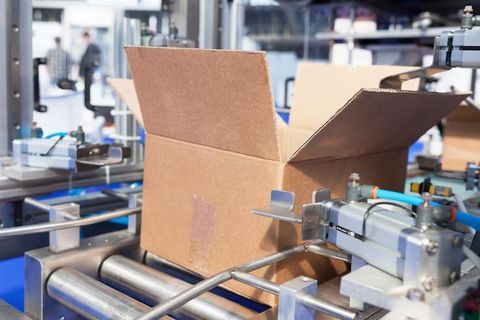
Modern packaging environments often integrate cartoning machines with other automated equipment. These systems can work with labeling units, inspection systems, and palletizing equipment to create a continuous packaging workflow. As production volumes increase across global industries, automated cartoning processes have become more common in manufacturing facilities.
Cartoning machines explained in simple terms involve three main elements: product handling, carton forming, and carton closing. Each step relies on coordinated mechanical movements and digital control systems to ensure that products are packaged accurately and consistently.
Importance
Cartoning machines play a significant role in modern manufacturing and distribution. Packaging is not only about enclosing a product; it also helps protect goods during transportation, organize items for storage, and provide space for important product information.
Several industries rely on automated cartoning processes. These include food production, pharmaceutical manufacturing, cosmetics packaging, consumer electronics, and household goods manufacturing. In these sectors, packaging must meet quality standards while maintaining consistent production speeds.
Cartoning automation helps address several operational challenges. These include:
- Product protection: cartons help protect products from contamination, damage, and environmental exposure.
- Production efficiency: automated cartoning systems allow manufacturers to package large volumes of items with consistent timing.
- Supply chain organization: standardized carton sizes simplify storage, palletization, and transportation.
- Product identification: packaging often includes labels, instructions, and regulatory information.
Automation systems used in cartoning machines also help reduce manual handling of products. This can improve workplace safety and maintain consistent packaging quality.
Another reason cartoning machines matter today is the increasing demand for packaged goods across global markets. As manufacturing output grows, automated packaging equipment helps maintain reliable production processes.
Recent Updates
Between 2024 and 2026, several technological trends have influenced the development of cartoning machines and automated packaging systems. Manufacturers continue to integrate digital technologies into packaging equipment to improve monitoring and coordination across production lines.
One visible trend is the use of smart automation systems. These systems allow packaging equipment to communicate with other machines in a production line. Sensors monitor product flow, detect irregularities, and adjust machine operations when necessary.
Another development involves flexible packaging configurations. Many modern cartoning machines can handle multiple carton sizes and product types with minimal manual adjustments. This flexibility allows manufacturing facilities to package different products on the same production line.
Data monitoring systems are also becoming more common. These tools track machine performance, production output, and maintenance needs. By analyzing operational data, manufacturing teams can better understand how packaging equipment performs during daily production cycles.
Sustainability considerations have also influenced packaging technology. Many packaging systems now support cartons made from recyclable materials. Equipment is designed to handle lighter packaging materials while maintaining structural integrity during the cartoning process.
The following table outlines several general developments seen in modern cartoning automation systems.
| Development Area | Description | Impact on Packaging Lines |
|---|---|---|
| Smart Sensors | Sensors monitor product flow and carton placement | Helps detect packaging irregularities |
| Flexible Carton Handling | Machines adapt to different carton sizes | Supports varied product packaging |
| Digital Monitoring | Software tracks machine activity and output | Improves operational visibility |
| Material Adaptation | Systems handle lighter carton materials | Supports evolving packaging materials |
These developments reflect broader trends in industrial automation and digital manufacturing technologies.
Laws or Policies
Cartoning machines operate within regulatory frameworks that focus on product safety, packaging standards, and industrial equipment safety. Regulations differ by country, but many follow similar principles related to manufacturing practices and consumer protection.
In India, packaging operations are influenced by rules under organizations such as the Bureau of Indian Standards. These standards help define packaging quality, labeling requirements, and safety considerations for industrial equipment used in manufacturing environments.
Food and pharmaceutical packaging processes may also be influenced by guidelines from the Food Safety and Standards Authority of India. These guidelines focus on hygienic packaging practices, proper labeling, and safe handling of consumable goods.
Internationally, manufacturing facilities may follow quality management frameworks such as those defined by the International Organization for Standardization. ISO standards often address production processes, equipment maintenance, and quality assurance procedures.
Some policies related to packaging machinery focus on:
- Workplace safety requirements: ensuring machinery includes safety guards, emergency stops, and operational controls.
- Product labeling rules: requiring clear information on packaged goods such as ingredients or instructions.
- Environmental regulations: encouraging recyclable packaging materials and responsible waste management.
- Quality management frameworks: maintaining standardized manufacturing processes.
These regulations help ensure that packaging operations remain safe, consistent, and compliant with national and international guidelines.
Tools and Resources
Several digital tools and industrial resources help engineers, production managers, and researchers understand cartoning machine operations and packaging automation systems.
Some commonly used resources include equipment simulation tools, industrial automation platforms, and technical documentation databases. These resources support training, system design, and equipment monitoring.
Examples of useful tools and resources include:
- Industrial automation software: platforms used to monitor machine performance and coordinate production lines.
- Packaging design software: programs that simulate carton structure, dimensions, and folding patterns.
- Technical documentation databases: online libraries that contain machine manuals and industrial standards.
- Training platforms: educational resources explaining packaging equipment operation and automation systems.
Manufacturing teams often use these tools to evaluate production workflows and understand how packaging equipment integrates with other machines in a facility.
Digital dashboards are another common resource in modern packaging systems. These dashboards display operational metrics such as machine speed, carton throughput, and maintenance alerts.
By combining these tools with automated cartoning systems, manufacturers can observe production performance and maintain organized packaging processes.
FAQs
What is a cartoning machine and how does it work?
A cartoning machine is industrial equipment used to place products into cartons. The machine forms a carton from flat material, inserts the product, and closes the package. This process typically occurs on automated packaging lines that move products along conveyor systems.
What industries commonly use cartoning machines?
Many manufacturing sectors use cartoning machines, including food production, pharmaceuticals, cosmetics, consumer electronics, and household goods. These industries rely on packaging systems to organize products and prepare them for distribution.
What are the main components of cartoning machines?
Cartoning machines typically include several functional sections:
- carton forming mechanisms that create cartons from flat blanks
- product insertion systems that position items inside cartons
- closing mechanisms that seal the carton
- control systems that coordinate machine movements
These components work together to complete the packaging process.
What is cartoning machine automation?
Cartoning machine automation refers to the use of sensors, programmable controllers, and software systems to manage packaging operations. Automation systems coordinate product flow, carton handling, and machine timing across packaging lines.
How do cartoning machines support industrial packaging processes?
Cartoning machines help organize packaged goods in standardized containers. This supports transportation, storage, and product identification throughout the supply chain. By automating the cartoning stage, manufacturing facilities can maintain consistent packaging operations.
Conclusion
Cartoning machines are an important part of modern packaging systems used across many manufacturing industries. These machines automate the process of forming cartons, inserting products, and closing packages in a coordinated workflow.
Advances in automation, digital monitoring, and flexible packaging equipment continue to influence the development of cartoning technology. Regulatory standards and industrial guidelines also shape how packaging systems operate within manufacturing environments.
Understanding cartoning machines explained through their working principles, automation systems, and industrial applications helps clarify how packaged goods move from production lines into organized distribution networks.