Wind energy equipment refers to the machines and systems used to convert the natural movement of air into usable electrical energy. This process relies mainly on wind turbines, which capture wind movement through rotating blades and transform that motion into electricity using mechanical and electrical components.
Wind power has been used by humans for centuries. Early civilizations used windmills to grind grain or pump water. Modern wind energy systems follow a similar principle but use advanced materials, electronics, and engineering to generate electricity for homes, industries, and infrastructure.
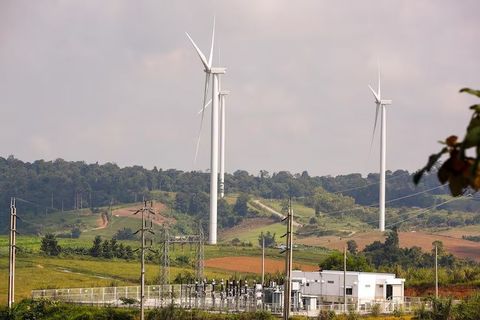
Today, wind energy equipment plays an important role in renewable energy systems. Wind turbines can be installed on land or offshore in oceans and large lakes. Both locations allow turbines to capture wind movement and contribute to electricity generation without relying on fossil fuels.
Wind power systems include several important components such as blades, towers, generators, gearboxes, and electronic control systems. Each part works together to convert wind movement into a stable flow of electrical energy that can be transmitted through power grids.
Importance
Wind energy equipment matters because electricity demand continues to grow across the world. Population growth, urban development, and digital infrastructure require reliable energy sources. Renewable energy systems such as wind power provide an additional method of electricity generation without relying entirely on conventional fuel sources.
Wind turbines also help diversify national energy systems. Instead of depending on a single energy source, countries can combine wind power with solar, hydroelectric, and other renewable technologies. This combination helps maintain stability in electricity supply.
Several groups benefit from wind energy systems:
- Communities and households: electricity generated by wind farms contributes to local and national power grids.
- Energy planners and infrastructure developers: wind energy equipment provides an alternative generation method for long-term energy planning.
- Environmental researchers: wind power contributes to energy systems with lower atmospheric emissions compared with many traditional power plants.
Wind energy equipment also supports energy independence in many regions. Countries with strong wind patterns can develop wind power systems locally rather than relying heavily on imported energy resources.
Recent Updates
Wind energy technology has continued evolving between 2024 and 2026. Research and development efforts focus on improving turbine efficiency, increasing reliability, and integrating wind power more smoothly into national electricity networks.
One notable trend is the development of larger wind turbines. New turbine designs use longer blades and taller towers, allowing them to capture stronger and more consistent wind at higher altitudes. Larger turbines can generate more electricity with fewer units.
Another trend involves offshore wind energy projects. Offshore wind turbines are installed in coastal waters where wind speeds are often stronger and more stable. Floating turbine technology has also advanced, allowing installations in deeper ocean areas.
Digital monitoring systems are also becoming more common in wind energy equipment. Sensors and data analysis tools monitor turbine performance, wind speed, blade rotation, and mechanical conditions. These systems help operators understand how turbines perform under different weather conditions.
Grid integration technology has also improved. Advanced power converters and control systems help balance wind energy output with other electricity sources. This allows wind power to contribute more consistently to energy networks.
Laws or Policies
Wind energy equipment and wind power generation are influenced by national and regional policies. Governments often establish renewable energy goals and electricity regulations that encourage development of renewable power systems.
In India, wind energy development is guided by programs from the Ministry of New and Renewable Energy. The ministry coordinates renewable energy initiatives, supports research programs, and promotes the expansion of wind energy infrastructure across the country.
Another important organization is the International Renewable Energy Agency, which studies renewable energy trends and provides research related to wind energy systems around the world.
Policies often focus on several areas:
- Renewable energy targets: national goals for increasing the share of electricity generated from renewable sources.
- Grid integration regulations: technical standards that ensure wind turbines connect safely to national electricity networks.
- Environmental assessments: procedures that evaluate how wind farms affect landscapes, wildlife habitats, and nearby communities.
Government policies also influence offshore wind projects, land use planning, and research funding for advanced turbine technology.
Tools and Resources
Understanding wind energy equipment often involves using educational tools, data platforms, and technical resources that explain turbine operation and wind patterns.
Several organizations provide online platforms that help users explore wind energy data and turbine technology. Examples include the National Renewable Energy Laboratory and the Global Wind Energy Council, which publish research reports, wind resource maps, and technical explanations of turbine systems.
Common types of tools and resources include:
- Wind resource maps: visual datasets that show average wind speeds across regions.
- Energy production calculators: tools used to estimate electricity generation based on wind speed and turbine size.
- Educational publications: guides explaining turbine components, renewable energy systems, and electricity generation processes.
- Data dashboards: platforms that track wind energy development across different countries.
The table below shows common wind turbine components and their functions within wind energy equipment.
| Wind Turbine Component | Primary Function |
|---|---|
| Rotor Blades | Capture wind movement and begin the rotation process |
| Hub | Connects rotor blades to the turbine shaft |
| Nacelle | Protective housing that contains the generator and gearbox |
| Gearbox | Increases rotational speed before electricity generation |
| Generator | Converts mechanical rotation into electrical energy |
| Tower | Elevates the turbine to access stronger wind currents |
| Control System | Monitors turbine performance and adjusts operation |
These components form the mechanical and electrical structure of modern wind turbines.
FAQs
What is wind energy equipment?
Wind energy equipment refers to machines and systems designed to convert wind movement into electrical energy. The primary example is a wind turbine, which uses rotating blades, a generator, and electronic control systems to produce electricity.
How do wind turbines generate electricity?
Wind turbines generate electricity when moving air rotates the turbine blades. This rotation turns a shaft connected to a generator inside the turbine nacelle. The generator converts mechanical motion into electrical energy that can be transmitted through power lines.
What components are included in wind energy equipment?
Wind energy equipment typically includes rotor blades, a hub, nacelle housing, gearbox, generator, tower structure, and electronic control systems. These components work together to transform wind movement into electrical power.
Where are wind turbines commonly installed?
Wind turbines are commonly installed in open landscapes, coastal areas, and offshore locations where wind patterns are strong and consistent. Offshore wind farms are often located in coastal waters where wind speeds remain stable throughout the year.
How does wind energy contribute to renewable power systems?
Wind energy contributes to renewable power systems by providing electricity generated from natural wind movement. This energy source can be integrated with other renewable technologies such as solar and hydroelectric power within national electricity networks.
Conclusion
Wind energy equipment plays an important role in modern renewable energy systems. Wind turbines and their supporting components transform natural wind movement into electrical energy used in power grids. Technological improvements, offshore installations, and digital monitoring systems continue shaping the development of wind power infrastructure. Government policies and international research organizations also influence how wind energy systems expand and integrate with existing electricity networks. As renewable energy technologies evolve, wind power remains a significant part of the global energy landscape.