An extruder machine is a piece of equipment used in manufacturing to shape raw materials into continuous forms. It works by pushing material through a specially designed mold, known as a die, to produce items like plastic pipes, food products, cables, films, and profiles. The concept of extrusion has existed for decades and is used across multiple industries, including packaging, construction, food processing, and electrical applications.
The primary reason extruder machines exist is efficiency. Instead of shaping materials one piece at a time, extrusion allows the creation of continuous and uniform products in bulk. This process reduces material waste, improves quality consistency, and ensures industries can meet high production demands.
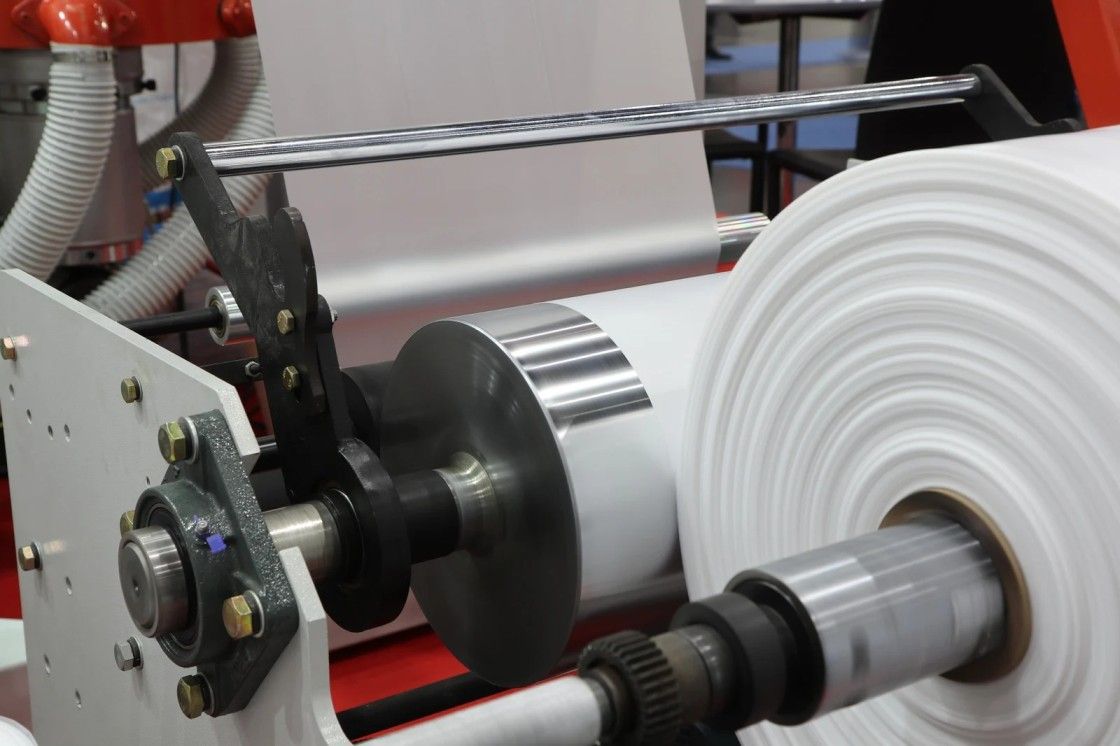
Why extruder machines matter today
Extrusion technology plays a significant role in modern industry because it provides solutions to problems of speed, accuracy, and uniformity in production. For example:
-
Manufacturing sector: Producing durable pipes, sheets, and profiles for construction and infrastructure.
-
Food industry: Making snacks, cereals, pasta, and even plant-based protein products with controlled texture and shape.
-
Electrical and cable industry: Covering wires with insulating layers for safety and durability.
-
Sustainability goals: Enabling recycling of plastics into reusable forms such as pellets or profiles.
Today, extruder machines affect manufacturers, engineers, product developers, and even consumers who rely on consistent product quality. By offering faster production methods, these machines also address the challenges of global demand and supply chain efficiency.
Recent updates and trends in extrusion technology
Extrusion has advanced rapidly, especially with new technology in 2024 and 2025. Several notable developments include:
-
Smart automation (2024–2025): Companies are integrating sensors and AI-driven monitoring into extruder machines to detect defects early and reduce downtime.
-
Sustainability focus: A growing number of industries are adopting energy-efficient extruders that consume less electricity and reduce carbon footprints.
-
Food extrusion innovations: In 2024, several food technology companies introduced twin-screw extruders that improve the production of plant-based meat substitutes.
-
Materials research: By 2025, biodegradable and recyclable plastics became a stronger focus in extrusion, aligning with environmental regulations in many regions.
-
Global demand shifts: According to recent reports, the global extruder machine market showed growth due to construction recovery projects and increasing demand for flexible packaging solutions.
These updates show how extrusion technology is adapting to industry needs and global sustainability targets.
Rules, policies, and regulations around extruder machines
Extruder machines are influenced by safety standards, environmental policies, and industrial regulations. These vary by country but share some common themes:
-
Workplace safety: Regulations ensure that extruder machines meet occupational health and safety standards to protect operators from hazards such as heat, moving parts, and electrical risks.
-
Environmental laws: Many governments now require industries to comply with rules for energy efficiency, waste management, and recycling when using extrusion processes.
-
Food safety: In the food industry, extruder machines must follow hygiene and material safety guidelines set by organizations such as the FDA (United States) or FSSAI (India).
-
Trade and export rules: Countries often regulate the export of extruded products, requiring compliance with international quality standards such as ISO or CE certification.
For example, in 2024 the European Union updated its environmental standards for plastic extrusion, requiring manufacturers to adopt low-emission equipment. Similar moves were observed in Asia, where regulations encourage recycled plastic extrusion.
Helpful tools and resources for extrusion knowledge
There are several resources available for those who want to understand or work with extruder machines. These include:
-
Industry websites and portals:
-
Plastics Technology Online – articles and insights about extrusion processes.
-
Food Extrusion Research Portal – research papers and food industry updates.
-
-
Calculation and simulation tools:
-
Screw design calculators to estimate output and efficiency.
-
Thermal analysis tools to study heat distribution in extrusion.
-
-
Educational resources:
-
Online training courses in polymer extrusion.
-
Textbooks such as Principles of Polymer Processing.
-
-
Government and standards organizations:
-
Bureau of Indian Standards (BIS) for machine safety requirements.
-
ASTM International for materials and process testing guidelines.
-
These tools help engineers, researchers, and students gain reliable knowledge and practical insights.
Common questions about extruder machines
What is the basic working principle of an extruder machine?
An extruder machine melts or softens raw material and pushes it through a die to create a continuous shape. The process relies on heat, pressure, and screw rotation.
What industries commonly use extruder machines?
They are used in plastics, packaging, food production, cable manufacturing, recycling, and pharmaceuticals.
What is the difference between single-screw and twin-screw extruders?
Single-screw extruders are simpler and mainly used for uniform materials. Twin-screw extruders handle complex processes, mixing different materials more effectively.
Are extruder machines environmentally friendly?
Modern extruder machines are increasingly energy-efficient, and many support recycling processes, making them more aligned with sustainability goals.
How has extrusion technology changed in recent years?
Recent improvements include automation, AI-based defect detection, energy-efficient heating systems, and broader use of biodegradable materials.
Conclusion
Extruder machines are essential in today’s world, connecting industries from construction to food technology. Their role in producing consistent, large-scale products makes them a foundation of modern manufacturing. With sustainability, innovation, and regulation shaping the industry, extrusion continues to evolve to meet global demands.
By understanding how these machines work, why they matter, and what resources are available, professionals and learners can better appreciate the importance of extrusion technology in shaping both daily life and future industrial progress.