A shaft coupling is a mechanical component used to connect two shafts, enabling the transmission of power and motion between them. These couplings are essential in various machinery, including motors, pumps, compressors, and conveyors, where they facilitate the transfer of rotational energy.
By connecting shafts, couplings ensure that power generated by a driving shaft is effectively transmitted to a driven shaft, maintaining the operational efficiency of the system.
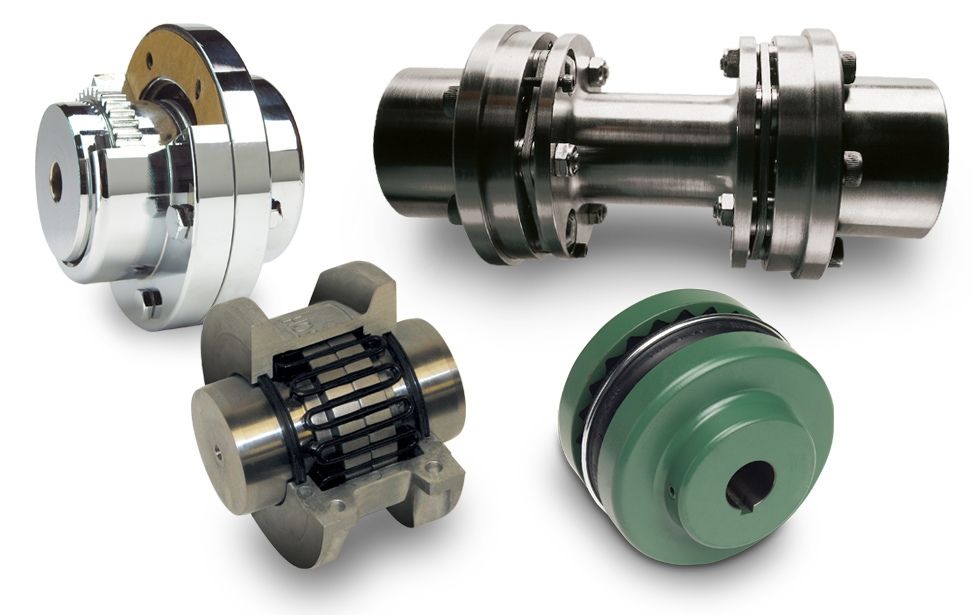
The Significance of Shaft Couplings Today
In modern mechanical systems, shaft couplings play a crucial role in ensuring the reliability and longevity of equipment. They are designed to accommodate misalignments between connected shafts, which can occur due to manufacturing tolerances, thermal expansion, or wear over time. By compensating for these misalignments, couplings help in reducing stress on bearings and other components, thereby preventing premature failures.
Moreover, couplings can absorb shock loads and vibrations, which is particularly important in systems where sudden changes in load or speed are common. This vibration damping capability contributes to smoother operation and less noise, enhancing the overall performance of machinery.
The importance of shaft couplings extends across various industries, including manufacturing, automotive, energy, and chemical processing. Their ability to ensure seamless power transmission and protect sensitive components makes them indispensable in maintaining operational efficiency and safety.
Recent Developments in Shaft Coupling Technology
In recent years, there have been significant advancements in shaft coupling technologies aimed at improving performance and adaptability. For instance, the development of precision line shaft couplings has gained momentum, especially in applications requiring synchronized motion between actuators. These couplings offer enhanced precision and are becoming increasingly popular due to their improved accessibility and shorter lead times.
Additionally, there has been a growing emphasis on designing couplings that can handle higher speeds and torques, catering to the evolving demands of modern machinery. This includes the use of advanced materials and manufacturing techniques to produce couplings that are both lightweight and durable.
The integration of digital technologies has also influenced coupling design, with the advent of smart couplings that can monitor performance parameters such as torque, speed, and temperature. These innovations enable predictive maintenance and real-time monitoring, leading to reduced downtime and extended service life of equipment.
Regulatory Standards Governing Shaft Couplings
Shaft couplings are subject to various international standards that ensure their reliability and safety in different applications. For example, ISO 14691:2008 specifies the requirements for couplings used in the petroleum, petrochemical, and natural gas industries. This standard outlines the performance criteria for couplings that transmit power between rotating shafts, accommodating misalignments without imposing excessive mechanical loading on the coupled machines.
Similarly, ISO 10441:2007 provides guidelines for couplings used in special-purpose applications within the petroleum, petrochemical, and natural gas industries. It emphasizes the need for couplings to operate continuously for extended periods and to handle high-speed machines without compromising performance.
Adherence to these standards ensures that shaft couplings meet the necessary safety and performance criteria, thereby enhancing the reliability of the machinery they are part of.
Tools and Resources for Shaft Coupling Selection and Maintenance
When selecting and maintaining shaft couplings, several resources can assist in making informed decisions:
-
Coupling Selection Tools: Online calculators and selection guides provided by manufacturers can help determine the appropriate coupling type and size based on specific application requirements.
-
Maintenance Guidelines: Technical manuals and maintenance schedules are essential for ensuring the longevity and optimal performance of couplings.
-
Industry Standards: Referring to international standards such as ISO 14691 and ISO 10441 can provide insights into the performance and safety requirements for couplings in various industries.
-
Training Programs: Workshops and training sessions offered by industry associations can enhance understanding of coupling technologies and best practices in installation and maintenance.
Utilizing these resources can aid in selecting the right coupling for a given application and ensure its proper maintenance, leading to improved system performance and reduced downtime.
Frequently Asked Questions
What is the primary function of a shaft coupling?
The primary function of a shaft coupling is to connect two shafts, enabling the transmission of power and motion between them while accommodating misalignments and reducing vibrations.
How do I choose the right type of shaft coupling for my application?
Selecting the appropriate coupling involves considering factors such as the degree of misalignment, torque requirements, speed, and environmental conditions. Consulting manufacturer guidelines and industry standards can aid in making an informed choice.
What maintenance practices are recommended for shaft couplings?
Regular inspection for signs of wear, proper lubrication, and alignment checks are essential maintenance practices. Adhering to manufacturer-recommended maintenance schedules can prolong the service life of couplings.
Can shaft couplings be used in high-speed applications?
Yes, certain types of couplings are designed to handle high-speed operations. It's crucial to select couplings that meet the specific speed and torque requirements of the application.
Are there advancements in shaft coupling technologies?
Yes, recent developments include the creation of precision line shaft couplings and the integration of smart technologies for real-time monitoring, enhancing performance and maintenance capabilities.
Conclusion
Shaft couplings are integral components in mechanical systems, facilitating the efficient transmission of power and motion between shafts. Their ability to accommodate misalignments, absorb vibrations, and handle varying loads makes them indispensable in ensuring the reliability and longevity of machinery. With ongoing advancements in coupling technologies and adherence to international standards, shaft couplings continue to evolve, meeting the ever-increasing demands of modern industrial applications.