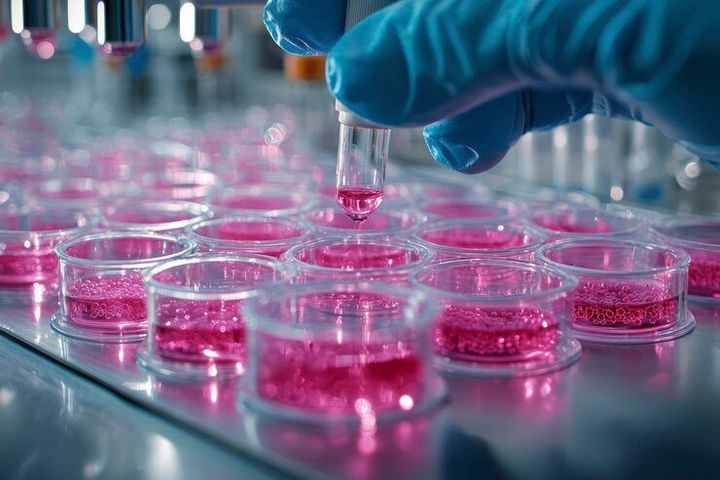
The development of cell culture techniques transformed biological science by allowing scientists to study cells outside living organisms. This controlled approach supports more accurate experiments and helps researchers examine diseases, vaccines, and cellular processes in detail.
Today, cell cultures are widely used in universities, medical laboratories, biotechnology companies, and research institutes around the world. Their importance continues to increase due to advancements in regenerative medicine, precision healthcare, and artificial intelligence-assisted laboratory analysis.
Why Cell Cultures Matter Today
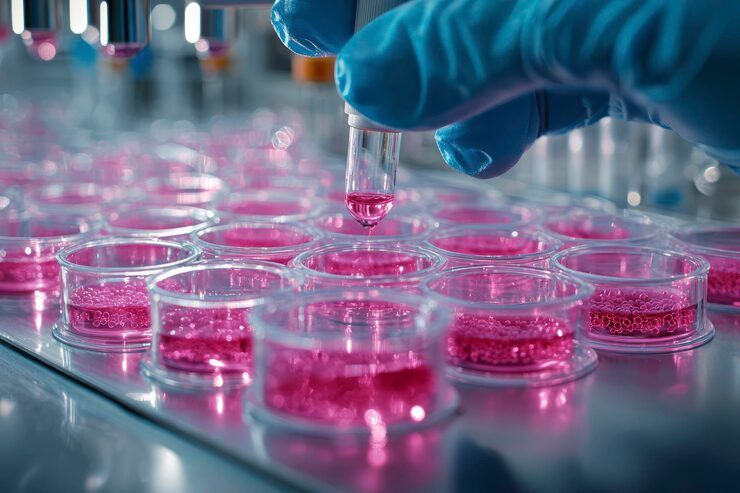
Cell cultures play an important role in modern healthcare and scientific discovery. They support medical research by helping scientists test treatments, study viruses, and examine cellular reactions in safe laboratory environments.
Several industries rely on cell culture technology, including:
-
Biotechnology
-
Pharmaceutical research
-
Vaccine development
-
Cancer studies
-
Regenerative medicine
-
Agricultural science
-
Cosmetic safety testing
One major advantage of cell cultures is that they reduce the need for animal-based testing in certain experiments. Researchers can analyze cell responses more efficiently while maintaining controlled laboratory conditions.
Cell cultures also help researchers identify disease mechanisms. During global health emergencies such as viral outbreaks, cultured cells allow scientists to evaluate antiviral compounds and vaccine responses quickly.
Another important use involves personalized medicine. Scientists can now grow patient-derived cells to better understand individual health conditions and possible treatment outcomes. This approach is becoming more common in oncology and genetic research.
Key Types of Cell Cultures
Different types of cell cultures are used depending on research goals and laboratory requirements.
| Cell Culture Type | Main Characteristics | Common Applications |
|---|
| Primary Cell Culture | Directly taken from tissues | Disease studies, toxicology |
| Continuous Cell Line | Cells reproduce continuously | Drug testing, vaccine research |
| Stem Cell Culture | Undifferentiated cells with regenerative potential | Regenerative medicine |
| 3D Cell Culture | Mimics real tissue structures | Cancer and tissue research |
| Microbial Culture | Includes bacteria and fungi | Microbiology studies |
Each type provides different advantages depending on experimental design and scientific objectives.
Recent Updates in Cell Culture Research
The field of cell culture technology has evolved significantly during 2025 and 2026. Researchers are focusing on advanced laboratory automation, artificial intelligence integration, and sustainable research practices.
In early 2026, several biotechnology research groups introduced AI-powered imaging systems capable of monitoring cell growth patterns in real time. These systems help scientists improve accuracy while reducing manual laboratory work.
Another major trend involves 3D cell cultures and organoids. Unlike traditional flat cell cultures, 3D models better represent human tissues and organs. Researchers now use these systems for studying cancer progression, neurological disorders, and drug interactions.
Stem cell research has also expanded in recent years. Scientists continue exploring regenerative therapies aimed at repairing damaged tissues and supporting chronic disease research.
Recent developments include:
-
Automated laboratory robotics for cell maintenance
-
Cloud-based laboratory data management systems
-
Improved contamination detection methods
-
Growth of synthetic biology applications
-
Increased investment in tissue engineering research
Environmental sustainability has become another important topic in laboratory operations. Research centers are adopting energy-efficient incubators and reducing plastic waste generated during cell culture procedures.
Cell Cultures and Government Regulations
Cell culture research is affected by scientific regulations, ethical standards, and laboratory safety policies in many countries. Governments and health organizations establish rules to ensure responsible biological research practices.
In countries such as the United States, India, Japan, and members of the European Union, laboratory research involving cell cultures often requires compliance with biosafety guidelines.
Important regulatory areas include:
Biosafety Standards
Laboratories handling biological materials must follow biosafety protocols designed to reduce contamination and protect researchers.
Ethical Research Guidelines
Research involving stem cells or human-derived tissues may require approval from ethics committees or institutional review boards.
Pharmaceutical Research Compliance
Drug development laboratories using cell cultures often follow Good Laboratory Practice (GLP) and Good Manufacturing Practice (GMP) standards.
Data Management Policies
Research institutions increasingly follow digital data protection regulations for storing experimental records and patient-related biological data.
In India, organizations such as the Indian Council of Medical Research (ICMR) provide ethical guidance for biomedical research involving human cells and tissues. Similar frameworks exist globally to support responsible scientific advancement.
Tools and Resources for Cell Culture Research
Modern laboratories use a wide range of tools and digital resources to support cell culture experiments and scientific analysis.
Laboratory Equipment
Common laboratory tools include:
-
CO2 incubators
-
Biosafety cabinets
-
Microscopes
-
Centrifuges
-
Automated cell counters
-
Cryopreservation systems
Digital Research Platforms
Researchers increasingly use digital systems for data storage, collaboration, and experiment tracking.
Popular resources include:
-
Electronic laboratory notebooks
-
Cloud-based research databases
-
Cell imaging software
-
Statistical analysis platforms
-
Scientific publication repositories
Educational Resources
Students and researchers often use educational platforms to improve laboratory knowledge and technical skills.
Helpful learning resources include:
-
Scientific journals
-
Biotechnology learning portals
-
University laboratory manuals
-
Research webinars
-
Online laboratory simulation tools
Artificial Intelligence in Cell Analysis
AI-assisted software now helps researchers identify cellular abnormalities, predict growth behavior, and improve image interpretation accuracy.
This technology supports faster research workflows and improved data consistency.
Challenges Associated With Cell Cultures
Although cell culture methods are valuable, they also present certain limitations and challenges.
One common issue is contamination. Bacteria, fungi, or unwanted microorganisms can affect experiments and reduce data reliability.
Other challenges include:
-
Maintaining sterile laboratory conditions
-
High equipment maintenance requirements
-
Variability between cell lines
-
Limited replication of full human body systems
-
Ethical concerns in stem cell studies
Researchers continue developing improved culture systems to overcome these limitations and produce more realistic biological models.
Future of Cell Culture Technology
The future of cell culture science is closely connected to biotechnology innovation and precision healthcare.
Experts predict continued growth in areas such as:
Regenerative Medicine
Scientists are exploring ways to repair damaged tissues using cultured stem cells and engineered tissues.
Personalized Healthcare
Patient-specific cell models may improve treatment planning and medication analysis.
Organ-on-a-Chip Systems
Miniature laboratory systems designed to mimic organ functions are becoming increasingly important in drug testing and disease modeling.
Advanced Cancer Research
Researchers use cultured tumor cells to study cancer progression and evaluate targeted therapies.
Space Biology Research
Scientists are also examining how cells behave in space environments to support long-term space exploration studies.
As technology advances, cell culture methods are expected to become more precise, efficient, and accessible for global scientific research.
Frequently Asked Questions
What is the purpose of cell cultures?
Cell cultures allow scientists to study cells in controlled laboratory environments for research, disease analysis, and treatment development.
Why are cell cultures important in healthcare research?
They help researchers examine diseases, test medicines, develop vaccines, and understand cellular behavior safely and efficiently.
What are 3D cell cultures?
3D cell cultures are advanced laboratory models that better replicate real human tissues compared to traditional flat cell cultures.
How do laboratories prevent contamination in cell cultures?
Researchers use sterile equipment, biosafety cabinets, protective clothing, and controlled laboratory procedures to reduce contamination risks.
Are cell cultures regulated by governments?
Yes. Many countries enforce biosafety, ethical, and laboratory standards for biological research involving cultured cells.
Conclusion
Cell cultures remain one of the most important tools in modern biological science and healthcare research. They support discoveries in medicine, biotechnology, genetics, and regenerative therapies while helping researchers study diseases more effectively.
Recent technological advancements such as AI-powered laboratory systems, 3D tissue models, and automated analysis platforms are transforming the future of cell culture research. At the same time, ethical regulations and biosafety standards continue shaping responsible scientific development.
As healthcare challenges evolve globally, cell culture technology is expected to remain central to innovation, education, and biomedical progress for years to come.