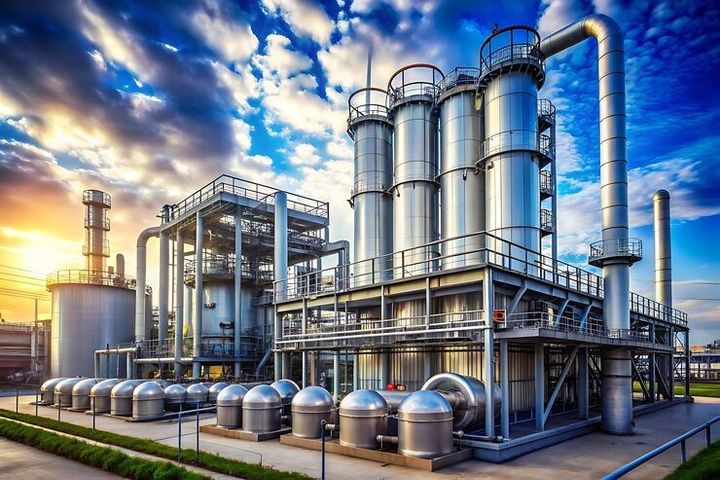
Chemical Industry Knowledge Guide: Explore Technologies, Processes, Products, and Industrial Uses
The chemical industry is a broad industrial sector that transforms raw materials into chemicals used in manufacturing, agriculture, healthcare, construction, energy, electronics, textiles, food processing, and many other fields.
Understanding chemical industry technologies, processes, products, and industrial uses helps explain how materials move from basic feedstocks to useful substances and formulations.
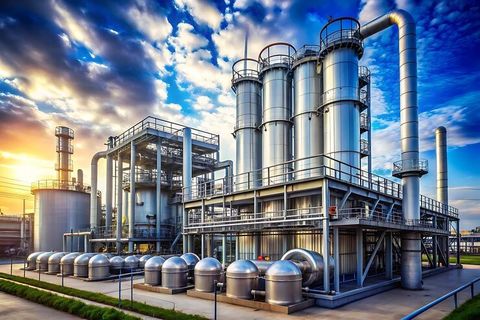
Chemical manufacturing can involve reactions, separation, purification, mixing, heating, cooling, drying, filtration, and quality testing. Modern facilities increasingly combine process automation, data analysis, energy management, and environmental controls to improve consistency and manage operational risks.
Context – Chemical Industry Technologies, Processes, and Products
The chemical industry includes producers of basic chemicals, specialty chemicals, polymers, fertilizers, industrial gases, coatings, solvents, detergents, pharmaceutical ingredients, and many other materials. Its supply chains can begin with petroleum, natural gas, minerals, biomass, salts, air, or other feedstocks.
Chemical processes are designed around the properties of the materials involved. Common operations include:
- Chemical reactions and catalysis
- Distillation and evaporation
- Filtration and membrane separation
- Crystallization and drying
- Mixing and formulation
- Heat exchange and temperature control
- Material handling and storage
A typical production sequence may start with raw-material preparation, followed by reaction or conversion. The resulting mixture may then undergo separation and purification before testing, packaging, storage, and distribution.
Chemical plants can range from large continuous-process facilities to smaller batch-production units. Continuous processes are commonly associated with high-volume materials, while batch processes provide greater flexibility for formulations and specialized products.
Importance – Why the Chemical Industry Matters
Chemical products are incorporated into many everyday materials and industrial systems. Plastics, paints, adhesives, synthetic fibers, fertilizers, cleaning formulations, electronic materials, construction chemicals, and industrial gases all depend on chemical technologies.
The sector affects several groups:
- Manufacturers that use chemicals as feedstocks or ingredients
- Agricultural producers using fertilizers and crop-protection products
- Healthcare and pharmaceutical manufacturers
- Electronics and semiconductor manufacturers
- Construction and infrastructure industries
- Researchers, laboratories, and educational institutions
- Communities located near industrial facilities
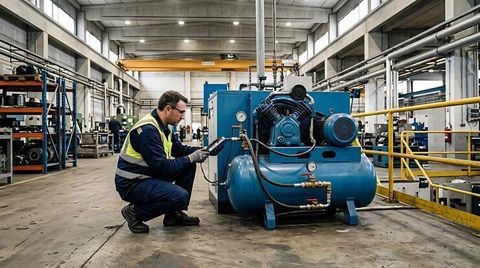
Chemical manufacturing also requires careful control of temperature, pressure, concentration, reaction rates, emissions, wastewater, and hazardous materials. Process safety and environmental management are therefore important parts of chemical industry knowledge.
Recent Updates – Technology and Industry Developments
Recent chemical-industry developments include greater use of artificial intelligence, digital process control, automation, advanced analytics, and lower-emission production methods. A 2026 industry analysis from McKinsey describes increasing applications of AI in areas such as molecule discovery, formulation optimization, predictive maintenance, energy management, and supply-chain activities.
India's chemical and petrochemical sector is also experiencing changes related to digitalization, sustainability, demand patterns, and value-chain development. An EY analysis published in January 2026 identifies AI and digital technologies as factors influencing research, manufacturing, and supply-chain activities.
Another important development is increased attention to hazardous-substance management and environmental performance. In Europe, the European Commission updated its REACH restrictions roadmap in July 2026, including ongoing work involving substances such as PFAS, hexavalent chromium compounds, octocrylene, and other substances of concern.
| Technology or trend | Main industrial purpose |
|---|---|
| Process automation | Control production conditions |
| AI and analytics | Analyze data and support process decisions |
| Advanced catalysts | Improve chemical conversion |
| Membrane separation | Separate selected components |
| Digital monitoring | Track equipment and process conditions |
| Electrification | Reduce dependence on combustion in suitable processes |
| Circular chemistry | Recover, reuse, or redesign materials |
These developments vary considerably between chemical subsectors, so a technology appropriate for one process may not be suitable for another.
Laws or Policies – Chemical Industry Regulations
Chemical-industry regulations vary by country, chemical substance, production activity, and facility. Environmental protection, chemical safety, hazardous-material handling, emissions, wastewater, waste management, transportation, and worker protection may all be covered by different legal frameworks.
In India, the Environment (Protection) Act, 1986 provides a central framework for environmental protection and includes provisions concerning hazardous substances and environmental pollution.
India's Ministry of Environment, Forest and Climate Change lists the Manufacture, Storage and Import of Hazardous Chemicals Rules, 1989 and the Chemical Accidents (Emergency Planning, Preparedness and Response) Rules, 1996 among the relevant regulatory frameworks.
The Central Pollution Control Board identifies chemical-industry sectors such as fertilizers, dyes and dye intermediates, chlor-alkali, pharmaceuticals, petrochemicals, pesticides, organic chemicals, inorganic chemicals, paints, and oil refining within its industrial pollution-control activities.
In the European Union, REACH is the principal framework for registration, evaluation, authorization, and restriction of chemicals. It places responsibilities on industry to provide information about chemical substances and manage associated risks.
In the United States, the Toxic Substances Control Act gives the Environmental Protection Agency authority to evaluate chemicals and address unreasonable risks. EPA's July 2026 TSCA Inventory update reported 42,698 active chemicals in U.S. commerce in the non-confidential inventory.
Because requirements differ by jurisdiction, chemical companies generally need to consult the applicable national, regional, and local authorities before introducing or modifying a chemical process.
Tools and Resources – Chemical Industry Knowledge
Reliable technical resources can help students, engineers, researchers, and general readers understand chemical processes and regulations.
Useful resources include:
- Government environmental and chemical-safety databases
- Chemical substance inventories
- Safety Data Sheets and technical documentation
- Process simulation software
- Chemical property databases
- Laboratory information systems
- Industrial emissions and wastewater standards
- Engineering handbooks and academic publications
For U.S. chemical information, the EPA provides resources including the TSCA Chemical Substance Inventory and several chemical databases.
For European chemical information, the European Chemicals Agency and the European Commission's REACH resources provide regulatory and substance information.
For India, resources from MoEFCC, CPCB, and India Code can help readers locate environmental legislation, chemical-safety rules, and related regulatory documents.
FAQs – Chemical Industry Knowledge Guide
What is the chemical industry?
The chemical industry converts raw materials into chemicals, materials, intermediates, and formulations used across many industrial and consumer applications.
What are common chemical manufacturing processes?
Common processes include chemical reactions, distillation, filtration, crystallization, drying, extraction, mixing, purification, and formulation.
Why is process control important in chemical manufacturing?
Process control helps maintain variables such as temperature, pressure, flow, concentration, and reaction conditions within defined operating ranges.
What technologies are changing the chemical industry?
Automation, artificial intelligence, advanced analytics, process simulation, improved catalysts, digital monitoring, and resource-efficient technologies are among the important developments.
Are chemical-industry regulations the same worldwide?
No. Requirements vary between countries and regions. A chemical may be subject to different registration, safety, environmental, transportation, and labeling requirements depending on where it is manufactured or used.
Conclusion – Chemical Industry Knowledge Guide
The chemical industry connects scientific principles with large-scale manufacturing, producing materials that support agriculture, healthcare, construction, electronics, energy, transportation, and numerous other sectors. Its technologies range from established reaction and separation methods to modern automation, AI, advanced materials, and resource-efficiency approaches.
Understanding chemical processes also requires understanding safety and environmental responsibilities. Regulations such as India's environmental and hazardous-chemical frameworks, the EU's REACH system, and the U.S. TSCA demonstrate how chemical production is governed across different jurisdictions.
For further study, readers can combine government regulatory resources with technical literature, chemical databases, process-engineering references, and educational materials. Regulations and technical requirements should always be checked against the current rules applicable to the relevant country and chemical activity.