Chocolate Coating Machines Guide: Process, Resources, and Maintenance Strategies
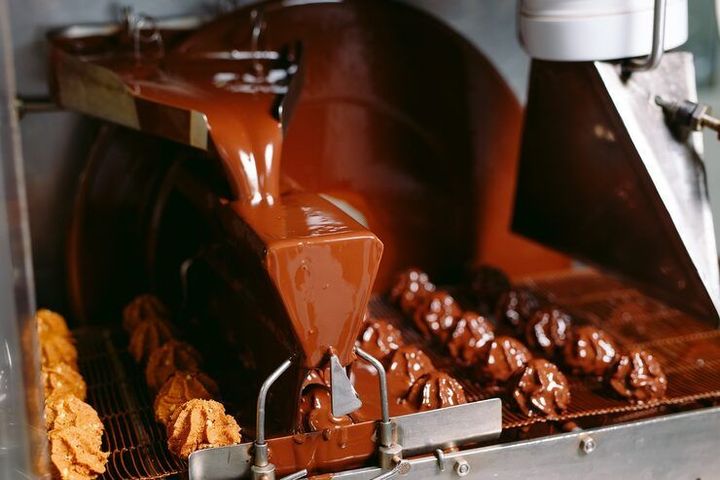
Chocolate coating machines are industrial systems used to apply layers of chocolate onto food products such as biscuits, wafers, cakes, nuts, candy bars, pastries, and frozen desserts. These machines are an important part of modern food manufacturing because they help create consistent coating thickness, smooth texture, and stable product appearance during large-scale production.
The development of industrial chocolate coating equipment expanded alongside the growth of commercial confectionery manufacturing. Earlier chocolate coating methods relied heavily on manual dipping and hand finishing, which limited production speed and consistency. As food manufacturing evolved, chocolate coating machine manufacturers introduced automated systems capable of handling continuous production environments.
Today, continuous chocolate coating systems are widely used in bakeries, snack manufacturing plants, confectionery factories, and dessert processing facilities. These systems often include conveyors, cooling tunnels, chocolate circulation systems, and precision temperature controls. Advanced chocolate enrobing technologies allow manufacturers to coat products evenly while reducing product waste and maintaining product quality.
The following table outlines common chocolate coating equipment and their typical applications.
| Equipment Type | Main Function | Common Application |
|---|---|---|
| Chocolate Enrobers | Coat products with chocolate | Biscuits and snack bars |
| Cooling Tunnels | Stabilize coated products | Confectionery production |
| Chocolate Tempering Units | Control chocolate temperature | Smooth coating texture |
| Conveyor Coating Systems | Move products continuously | Industrial food processing |
| Depositing Machines | Apply chocolate layers | Bakery production |
| Continuous Chocolate Coating Systems | Automated coating operations | High-volume manufacturing |
Turnkey chocolate processing solutions may combine several of these systems into a single integrated production line.
Importance
Chocolate coating technology is important because it supports large-scale food production while helping manufacturers maintain consistent appearance, flavor distribution, and product stability. Uniform chocolate coating is necessary for products that require controlled texture and shelf stability during packaging and transportation.
Industrial chocolate coating equipment also supports food safety and production efficiency. Automated systems help reduce manual handling and improve production flow within manufacturing facilities.
Several industries depend on chocolate coating systems, including:
- Confectionery manufacturing
- Bakery production
- Snack food processing
- Frozen dessert production
- Nut and dried fruit processing
- Specialty food manufacturing
The table below explains how chocolate coating equipment supports different food industries.
| Industry | Coated Product Type | Operational Benefit |
|---|---|---|
| Confectionery | Chocolate bars and candies | Consistent coating quality |
| Bakery Production | Cakes and biscuits | Faster processing |
| Snack Manufacturing | Protein and cereal bars | Controlled chocolate application |
| Frozen Desserts | Ice cream products | Uniform product finishing |
| Nut Processing | Chocolate-covered nuts | Stable product coating |
Advanced chocolate enrobing technologies help manufacturers maintain smooth product appearance while reducing interruptions during continuous production cycles.
Recent Updates
Between 2024 and 2026, chocolate coating machine manufacturers continued improving automation, hygiene control, and energy efficiency in industrial food processing systems. Many facilities adopted smart production monitoring tools capable of tracking coating thickness, conveyor speed, and temperature consistency in real time.
Continuous chocolate coating systems also became more integrated with automated production lines used in modern confectionery and bakery manufacturing. Some facilities introduced robotic handling systems to reduce product damage during movement between production stages.
Several important trends shaping chocolate coating technology include:
- Automated temperature control systems
- Smart conveyor monitoring platforms
- Hygienic stainless-steel machine designs
- Energy-efficient cooling tunnels
- Integrated digital production controls
- Precision chocolate flow management
The table below summarizes recent developments in industrial chocolate coating equipment.
| Development Area | Description | Industrial Impact |
|---|---|---|
| Smart Monitoring Systems | Real-time production tracking | Improved operational visibility |
| Automated Cleaning Features | Simplified sanitation processes | Better hygiene management |
| Precision Flow Controls | Accurate chocolate application | Consistent product quality |
| Compact Equipment Layouts | Reduced factory floor usage | Improved space management |
| Energy-Efficient Cooling Systems | Lower energy consumption | Improved sustainability |
Chocolate coating machine maintenance services increasingly involve predictive monitoring systems that identify equipment wear before production interruptions occur.
Laws or Policies
Chocolate coating systems are influenced by food safety regulations, industrial hygiene standards, workplace safety rules, and equipment sanitation guidelines. Food manufacturers using industrial chocolate coating equipment often follow strict operational procedures to maintain product cleanliness and processing safety.
Regulatory agencies in many countries establish standards related to food-grade materials, production environments, machine sanitation, and temperature control systems. Facilities processing chocolate products may also follow allergen management and labeling requirements.
Important policy areas affecting chocolate coating equipment include:
- Food hygiene regulations
- Industrial sanitation guidelines
- Worker safety standards
- Food processing equipment regulations
- Temperature control requirements
- Packaging and labeling rules
The following table outlines key regulatory areas related to chocolate processing equipment.
| Regulatory Area | Main Purpose | Operational Effect |
|---|---|---|
| Food Safety Rules | Maintain product cleanliness | Safer food processing |
| Sanitation Standards | Control contamination risks | Improved hygiene conditions |
| Equipment Material Guidelines | Ensure food-grade construction | Safer production systems |
| Workplace Safety Policies | Protect machine operators | Reduced workplace risk |
| Temperature Management Standards | Preserve product stability | Better product consistency |
Turnkey chocolate processing solutions often include sanitation-friendly equipment layouts designed to support cleaning and inspection procedures.
Tools and Resources
Modern chocolate coating systems use digital monitoring tools, automated controls, and food processing software to manage production consistency and machine operation. These technologies help manufacturers monitor chocolate flow, cooling performance, and conveyor movement during production.
Common tools and resources used in chocolate coating operations include:
- Temperature monitoring systems
- Conveyor speed controllers
- Chocolate viscosity analyzers
- Production management software
- Cooling tunnel monitoring devices
- Food safety inspection systems
- Automated production dashboards
The following table explains commonly used chocolate coating tools.
| Tool or Resource | Purpose | Industrial Benefit |
|---|---|---|
| Temperature Sensors | Monitor chocolate stability | Improved coating consistency |
| Conveyor Monitoring Systems | Track product movement | Better production coordination |
| Viscosity Measurement Tools | Analyze chocolate flow | Accurate coating application |
| Digital Production Dashboards | Monitor operational data | Real-time production visibility |
| Food Inspection Systems | Detect production irregularities | Improved quality control |
Advanced chocolate enrobing technologies often include integrated automation systems that coordinate coating, cooling, and packaging operations within a centralized production environment.
FAQs
What are chocolate coating machines used for?
Chocolate coating machines apply chocolate layers onto products such as biscuits, wafers, nuts, snack bars, pastries, and confectionery items.
How do continuous chocolate coating systems work?
Continuous chocolate coating systems move products through automated coating and cooling stages using conveyors, chocolate circulation systems, and temperature-controlled equipment.
Why are advanced chocolate enrobing technologies important?
Advanced chocolate enrobing technologies improve coating consistency, production efficiency, and product appearance during large-scale manufacturing.
What industries use industrial chocolate coating equipment?
Industrial chocolate coating equipment is commonly used in confectionery factories, bakery production plants, snack manufacturing facilities, and dessert processing operations.
Why is chocolate coating machine maintenance important?
Chocolate coating machine maintenance helps maintain production stability, hygiene standards, and consistent machine performance during continuous processing operations.
Conclusion
Chocolate coating machines are an important part of modern confectionery and food manufacturing industries. Industrial chocolate coating equipment supports efficient production while helping manufacturers maintain consistent coating quality and product appearance. Continuous chocolate coating systems and advanced chocolate enrobing technologies continue evolving through automation, digital monitoring, and improved hygiene design. As food manufacturing expands globally, chocolate coating technology remains closely connected to efficient and controlled production environments.