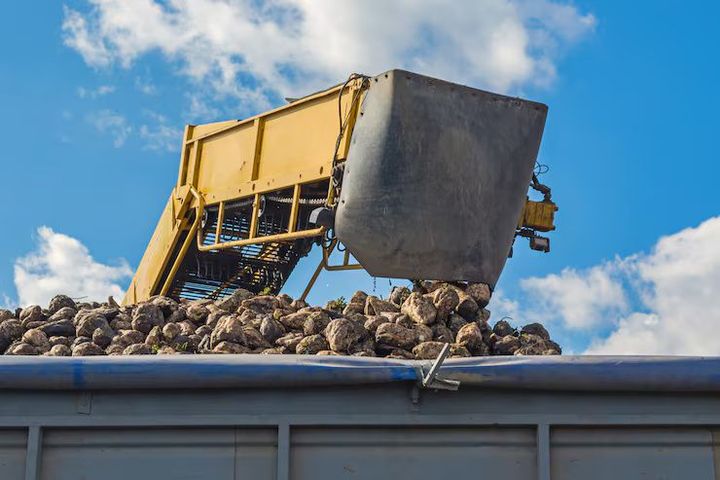
Coal Crushing Machine: A Comprehensive Guide to Working, Types, and Applications
A coal crushing machine is a piece of industrial equipment designed to reduce large chunks of coal into smaller, more manageable sizes. This process is essential in industries where coal is used as a fuel or raw material, such as power generation, cement production, and steel manufacturing. Coal is naturally mined in large lumps, which are difficult to transport, store, and use efficiently without processing.
The concept of crushing materials dates back to early mechanical engineering practices, where simple tools were used to break down stones and minerals. Over time, these tools evolved into advanced machines capable of handling large volumes of coal with precision and consistency. Today, coal crushing machines play a central role in material handling systems across many industrial settings.
These machines operate by applying mechanical force to break coal into smaller particles. Depending on the design, they may use compression, impact, or shear forces. The result is a uniform size distribution that improves combustion efficiency and simplifies further processing.
Importance
Coal remains a significant energy source in many parts of the world, especially in developing economies. Because of this, the role of a coal crushing machine extends beyond industrial operations and affects energy production, transportation, and environmental management.
Efficient coal crushing helps address several practical challenges. First, it improves fuel efficiency by ensuring that coal burns more evenly. Smaller and uniform particles allow for better air circulation during combustion, leading to more consistent energy output. Second, it simplifies handling and storage. Large coal lumps are harder to transport and may cause blockages in conveyor systems.
Another important aspect is safety. Oversized coal pieces can damage equipment or create operational hazards. Proper crushing reduces these risks and supports smoother workflows. In addition, coal processing systems that include crushing units often help reduce dust and emissions when combined with appropriate controls.
Industries that rely on coal crushing machines include:
- Power plants, where crushed coal is used in boilers
- Cement plants, where coal acts as a fuel for kilns
- Steel manufacturing units, where coal is converted into coke
- Mining operations, where raw coal is processed before distribution
Recent Updates
In recent years, developments in coal crushing machine technology have focused on efficiency, automation, and environmental considerations. Modern machines are increasingly integrated with digital monitoring systems that allow operators to track performance and detect issues early.
Automation has become more common, with programmable systems controlling feed rates, output size, and machine speed. This reduces manual intervention and helps maintain consistent output quality. Sensors are often used to monitor vibration, temperature, and load conditions.
Another noticeable trend is the emphasis on energy-efficient designs. Manufacturers are working to reduce power consumption while maintaining high throughput. This is particularly relevant in regions where energy use is closely monitored.
Environmental concerns have also influenced design improvements. Dust suppression systems, enclosed structures, and noise reduction features are now commonly included. These changes align with broader efforts to reduce the environmental impact of industrial operations.
There is also a gradual shift toward modular systems. These allow easier installation, maintenance, and scalability. Instead of large, fixed installations, industries can now adopt flexible setups that adapt to changing requirements.
Laws or Policies
The use of coal crushing machines is influenced by environmental and industrial regulations in many countries. These rules aim to ensure safe operation, control emissions, and protect workers.
In India, for example, coal processing units are subject to guidelines set by environmental authorities such as the Central Pollution Control Board (CPCB). These guidelines focus on dust control, noise levels, and proper waste handling. Industries are expected to install dust suppression systems and maintain safe operating conditions.
Occupational safety regulations also apply. Workers operating or maintaining coal crushing machines must follow safety protocols, including the use of protective equipment and adherence to operational procedures. Regular inspections and maintenance checks are typically required.
In addition, energy and emissions policies may influence how coal is processed and used. Some regions encourage cleaner technologies or impose limits on emissions from coal-based operations. While these policies do not directly regulate crushing machines, they affect how the entire system is designed and operated.
Tools and Resources
Understanding and managing coal crushing systems often involves the use of various tools and resources. These help operators monitor performance, calculate efficiency, and maintain equipment.
Common tools and resources include:
- Material size calculators, which help determine the required output size based on application needs
- Maintenance tracking software, used to schedule inspections and record machine performance
- Industrial safety guidelines, available through government and industry websites
- Equipment manuals and technical documentation, which provide detailed instructions on operation and troubleshooting
- Simulation software, used to model material flow and optimize system design
The following table summarizes common types of coal crushing machines and their typical characteristics:
| Machine Type | Working Principle | Typical Output Size | Common Use Case |
|---|---|---|---|
| Jaw Crusher | Compression | Medium to coarse | Primary crushing in mining |
| Hammer Crusher | Impact | Fine to medium | Power plants and cement units |
| Roll Crusher | Compression and shear | Fine | Secondary crushing stages |
| Cone Crusher | Compression | Medium to fine | Large-scale processing systems |
These tools and machine types help industries choose suitable solutions based on their operational requirements.
FAQs
What is a coal crushing machine used for?
A coal crushing machine is used to break large pieces of coal into smaller sizes. This makes coal easier to transport, store, and use in industrial processes such as power generation and cement production.
How does a coal crushing machine work?
It works by applying mechanical forces such as compression, impact, or shear to reduce coal size. Different machine designs use different methods depending on the desired output.
What are the common types of coal crushing machines?
Common types include jaw crushers, hammer crushers, roll crushers, and cone crushers. Each type has a specific working principle and is suited for different stages of coal processing.
Why is coal size important in industrial applications?
Coal size affects how efficiently it burns and how easily it can be handled. Uniform size distribution improves combustion and reduces operational issues.
Are coal crushing machines environmentally regulated?
Yes, in many regions they must comply with environmental and safety regulations. These include measures to control dust, reduce noise, and ensure safe operation.
Conclusion
Coal crushing machines are essential tools in industries that rely on coal for energy and production. They transform raw coal into usable forms, improving efficiency and safety in various processes. Advances in technology continue to enhance their performance and reduce environmental impact. Understanding their working principles and types helps in appreciating their role in modern industrial systems.