Cold Rolled Steel Guide: Properties, Uses, and Manufacturing Process
Steel is one of the most widely used materials in modern life. It appears in buildings, household appliances, vehicles, furniture, tools, and countless everyday products. Among the many forms of steel available today, cold-rolled steel is known for its smooth finish, precise dimensions, and consistent quality.
Although many people encounter products made from cold-rolled steel every day, few understand how it is produced or why manufacturers choose it for specific applications. Learning about this material makes it easier to understand why it is commonly found in industries that require accuracy, appearance, and reliable performance.
This guide explains what cold-rolled steel is, how it is made, its main characteristics, common applications, advantages, limitations, and how it compares with other types of steel.
What Is Cold Rolled Steel?
Cold-rolled steel is steel that has been processed further after the initial hot rolling stage. Once hot-rolled steel has cooled to room temperature, it passes through rollers again under controlled pressure. This additional processing improves the surface finish, increases dimensional accuracy, and enhances certain mechanical properties.
Unlike hot rolled steel, which often has a rougher appearance, cold rolled steel has a cleaner and more uniform surface. This makes it suitable for products where appearance and precision are important.
The term "cold rolled" does not mean the steel is made in cold conditions. Instead, it refers to rolling the material after it has cooled from the high temperatures used during the first stage of production.
How Cold Rolled Steel Is Manufactured
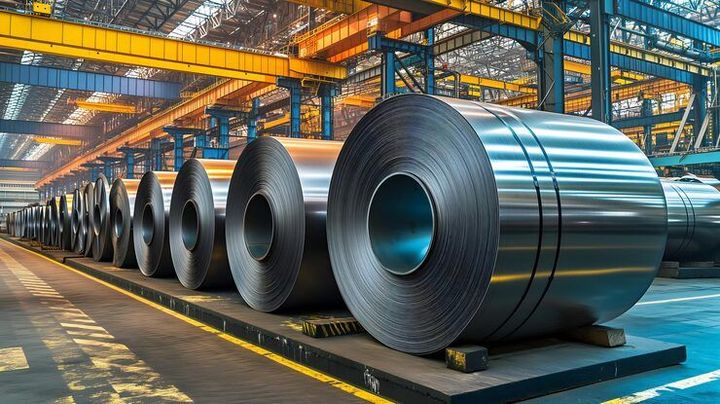
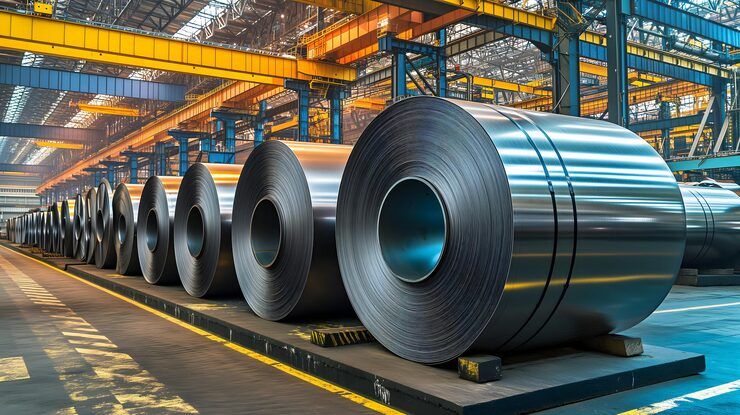
The manufacturing process begins with hot-rolled steel coils. These coils are cleaned to remove scale and surface impurities that develop during high-temperature processing.
After cleaning, the steel passes through rolling mills at room temperature. The rollers gradually reduce the thickness while maintaining tight dimensional control. Depending on the intended application, the material may undergo additional finishing processes such as annealing or temper rolling.
The general production sequence includes:
- Hot rolling
- Cooling
- Surface cleaning
- Cold rolling
- Heat treatment (when required)
- Final finishing and inspection
Each stage contributes to producing steel with improved consistency and appearance.
Main Characteristics
Cold-rolled steel has several characteristics that distinguish it from other forms of steel.
Smooth Surface
The rolling process creates a cleaner and more refined surface, making it suitable for painted, coated, or decorative products.
Accurate Dimensions
Cold rolling provides tighter thickness tolerances. This consistency helps manufacturers produce parts that fit together more precisely.
Higher Strength
The cold working process increases hardness and strength compared with hot-rolled steel of similar composition.
Better Surface Quality
Because surface imperfections are reduced during processing, cold-rolled steel often requires less preparation before finishing.
Good Formability
Many grades remain suitable for bending, stamping, and shaping while maintaining dimensional consistency.
Common Applications
Cold-rolled steel appears in many products used every day.
Household Appliances
Refrigerators, washing machines, ovens, and air-conditioning units often contain cold-rolled steel because of its smooth appearance and uniform thickness.
Automotive Components
Many vehicle parts require accurate dimensions and consistent quality. Cold-rolled steel is commonly used for body panels, brackets, structural components, and interior parts.
Office Furniture
Desks, filing cabinets, shelving, lockers, and storage units frequently use cold-rolled steel for durability and an attractive finish.
Construction Products
Doors, window frames, ceiling systems, partition components, and light structural elements may include cold-rolled steel.
Electrical Equipment
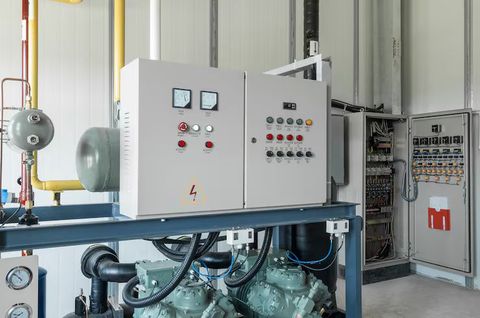
Electrical cabinets, control panels, enclosures, and equipment housings often rely on cold-rolled steel due to its dimensional precision.
Metal Fabrication
Many fabricated products begin as cold-rolled steel sheets before being cut, bent, welded, or assembled into finished components.
Advantages of Cold Rolled Steel
Cold-rolled steel provides several practical benefits.
Consistent Appearance
Its smooth surface creates a clean, professional look that works well for visible products.
Improved Precision
Manufacturers can produce parts with tighter tolerances, reducing variation during assembly.
Increased Strength
Cold rolling strengthens the material, allowing certain components to perform effectively while maintaining relatively thin sections.
Reliable Surface Finish
The improved finish supports painting, coating, and other finishing processes.
Wide Availability
Cold-rolled steel is produced in many grades, thicknesses, and sheet sizes, making it suitable for numerous applications.
Limitations
Like any engineering material, cold-rolled steel also has limitations.
Higher Processing Requirements
The additional rolling steps increase manufacturing complexity compared with hot-rolled steel.
Less Suitable for Very Thick Sections
Cold-rolled products are generally available in thinner gauges than many hot-rolled products.
Potential for Residual Stress
Cold working can introduce internal stresses that may require heat treatment for certain applications.
Corrosion Protection May Be Needed
Standard carbon steel can rust if exposed to moisture. Protective coatings, painting, or galvanizing are commonly used when environmental exposure is expected.
Cold Rolled Steel Compared with Hot Rolled Steel
| Feature | Cold Rolled Steel | Hot Rolled Steel |
|---|---|---|
| Surface Finish | Smooth and clean | Rougher surface |
| Dimensional Accuracy | High | Moderate |
| Strength | Generally higher after processing | Lower compared with cold rolled |
| Thickness Tolerance | More consistent | Wider variation |
| Appearance | Uniform | Mill scale may be visible |
| Typical Applications | Appliances, furniture, automotive parts | Structural components, heavy equipment |
Each material has suitable applications depending on the design requirements.
Factors to Consider When Selecting Cold Rolled Steel
Selecting the appropriate material depends on several practical considerations.
Required Strength
Different grades provide varying mechanical properties depending on the intended application.
Surface Requirements
Projects requiring painting or decorative finishes often benefit from the smoother surface.
Manufacturing Process
Consider whether the material will undergo bending, stamping, welding, or machining during production.
Environmental Conditions
If exposure to moisture or outdoor conditions is expected, protective finishes may improve long-term durability.
Dimensional Requirements
Applications requiring close tolerances often benefit from cold-rolled steel because of its consistent thickness and improved flatness.
Sustainability
Steel remains one of the world's most recycled engineering materials. Cold-rolled steel can be recycled repeatedly without significantly changing its fundamental properties.
Many manufacturing facilities also continue improving energy efficiency and material utilization during production. Recycling steel reduces the demand for raw materials and supports more sustainable manufacturing practices.
As industries focus on reducing environmental impact, recycled steel continues to play an important role in construction, transportation, consumer products, and industrial manufacturing.
Conclusion
Cold-rolled steel is an important material used across many industries because it combines dimensional accuracy, strength, and an improved surface finish. Its manufacturing process refines hot-rolled steel into a material suitable for applications where precision and appearance matter.
From household appliances and office furniture to automotive components and electrical equipment, cold-rolled steel contributes to products that people use every day. Understanding its properties, manufacturing process, advantages, and limitations helps explain why it remains a widely used engineering material.
Choosing between cold-rolled steel and other types of steel depends on the requirements of the final application, including strength, surface quality, dimensional accuracy, and environmental conditions. With proper material selection and finishing methods, cold-rolled steel continues to support reliable and efficient manufacturing across a broad range of industries.