Commercial Kitchen Equipment Explained: Types, Functions, and Essential Information
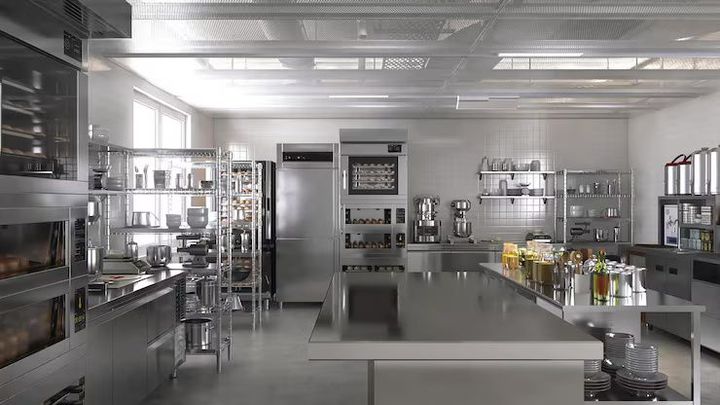
Commercial kitchen equipment includes machines, appliances, storage systems, and preparation tools used in restaurants, hotels, cafeterias, hospitals, catering facilities, and institutional kitchens. These systems are designed for large-scale food preparation, cooking, cleaning, refrigeration, and food storage operations.
The growth of urban dining, hospitality businesses, and food delivery industries increased demand for industrial kitchen equipment during the twentieth century. As food production expanded, kitchens required durable equipment capable of handling continuous operations and high food volumes.
Today, commercial kitchen equipment suppliers provide a wide range of systems including ovens, refrigeration units, dishwashers, ventilation systems, food preparation machines, and cooking stations. Hotel kitchen equipment manufacturers also develop specialized layouts designed for banquet halls, large dining facilities, and institutional food production environments.
The table below outlines common commercial kitchen equipment categories and their uses.
| Equipment Type | Main Function | Common Application |
|---|---|---|
| Commercial Ovens | Baking and roasting | Restaurants and bakeries |
| Refrigeration Units | Food storage | Hotels and cafeterias |
| Dishwashing Systems | Cleaning utensils | Institutional kitchens |
| Food Preparation Machines | Chopping and mixing | Catering facilities |
| Ventilation Systems | Remove smoke and heat | Restaurant kitchens |
| Cooking Ranges | Large-scale cooking | Hotel kitchens |
Turnkey commercial kitchen solutions often combine multiple systems into a coordinated kitchen layout designed for workflow efficiency and food safety.
Importance
Commercial kitchens play a major role in food preparation for restaurants, hospitals, schools, airports, and hospitality facilities. Efficient industrial kitchen equipment supports food hygiene, workplace safety, and organized production environments.
Modern kitchens must manage large food volumes while maintaining consistent cooking quality and sanitation standards. Commercial kitchen equipment suppliers help facilities meet these operational requirements through specialized systems designed for continuous use.
Important reasons commercial kitchen equipment matters today include:
- Large-scale food preparation
- Improved food safety practices
- Organized kitchen workflows
- Faster meal preparation
- Reduced manual labor
- Better energy management
The following table explains how equipment supports different commercial kitchen environments.
| Kitchen Environment | Main Equipment Used | Operational Benefit |
|---|---|---|
| Hotels | Cooking ranges and refrigeration | Large meal production |
| Hospitals | Hygienic preparation systems | Controlled food handling |
| Restaurants | Ovens and grills | Consistent cooking |
| Schools | Bulk cooking equipment | High-volume meal preparation |
| Catering Facilities | Mobile food preparation systems | Flexible operations |
Energy efficient kitchen equipment commercial systems are becoming more important because food facilities increasingly focus on reducing electricity and fuel consumption.
Recent Updates
Between 2024 and 2026, commercial kitchen technology continued evolving toward automation, digital monitoring, and energy efficiency improvements. Many food facilities adopted connected kitchen systems capable of monitoring temperature, cooking time, and equipment performance in real time.
One major trend involves smart kitchen monitoring platforms integrated with industrial kitchen equipment. These systems help operators track refrigeration temperatures, ventilation conditions, and appliance performance through centralized dashboards.
Hotel kitchen equipment manufacturers also expanded the use of modular kitchen designs. Flexible kitchen layouts allow facilities to adapt cooking spaces according to changing food production needs.
The table below highlights recent developments in commercial kitchen technology.
| Development Trend | Description | Operational Impact |
|---|---|---|
| Smart Monitoring Systems | Digital equipment tracking | Improved kitchen management |
| Automated Cooking Equipment | Programmable cooking systems | Consistent food preparation |
| Energy-Efficient Appliances | Reduced power usage | Lower energy consumption |
| Modular Kitchen Layouts | Flexible workstation design | Easier space management |
| Advanced Ventilation Systems | Improved air circulation | Safer working conditions |
Commercial kitchen installation services increasingly include digital control systems and automated monitoring platforms.
Laws or Policies
Commercial kitchens operate under food safety regulations, sanitation standards, fire safety rules, and workplace safety policies. These regulations help protect food quality and maintain safe working environments.
Food preparation facilities using industrial kitchen equipment must often follow hygiene standards related to cleaning procedures, food storage temperatures, ventilation, and waste handling.
Important policy areas connected to commercial kitchen operations include:
- Food hygiene regulations
- Fire safety standards
- Workplace safety guidelines
- Ventilation requirements
- Energy efficiency programs
- Waste management policies
The following table outlines major regulatory areas affecting commercial kitchens.
| Regulatory Area | Main Purpose | Operational Effect |
|---|---|---|
| Food Hygiene Rules | Prevent contamination | Safer food preparation |
| Fire Safety Standards | Reduce kitchen fire risks | Improved workplace safety |
| Ventilation Requirements | Remove smoke and heat | Better air quality |
| Equipment Inspection Rules | Verify operational safety | Reduced equipment hazards |
| Waste Disposal Policies | Manage food waste | Cleaner kitchen environments |
Commercial kitchen installation services may also involve inspections to confirm compliance with sanitation and fire safety standards.
Tools and Resources
Modern commercial kitchens rely on digital tools and operational resources to manage food preparation, equipment monitoring, and maintenance planning. These systems help facilities improve organization and operational consistency.
Useful tools connected with commercial kitchen operations include:
- Kitchen workflow planning software
- Temperature monitoring systems
- Inventory management platforms
- Equipment maintenance scheduling tools
- Energy consumption tracking systems
- Food safety documentation software
- Ventilation monitoring systems
The following table highlights commonly used resources in commercial kitchen environments.
| Tool or Resource | Main Purpose | Operational Benefit |
|---|---|---|
| Temperature Monitoring Systems | Track food storage conditions | Food safety support |
| Inventory Management Software | Monitor ingredient supplies | Reduced material shortages |
| Maintenance Scheduling Platforms | Plan equipment inspections | Improved equipment reliability |
| Energy Monitoring Tools | Measure power usage | Better energy management |
| Workflow Planning Software | Organize kitchen tasks | Improved operational efficiency |
Turnkey commercial kitchen solutions often include integrated monitoring systems that combine refrigeration, cooking, and ventilation management into a centralized platform.
FAQs
What is commercial kitchen equipment used for?
Commercial kitchen equipment is used for large-scale food preparation, cooking, storage, cleaning, and food handling operations in restaurants, hotels, and institutional kitchens.
Why is industrial kitchen equipment important in hospitality facilities?
Industrial kitchen equipment helps hospitality facilities prepare large food volumes while maintaining organized workflows and sanitation standards.
What is included in turnkey commercial kitchen solutions?
Turnkey commercial kitchen solutions may include cooking equipment, refrigeration systems, ventilation units, food preparation machines, and kitchen layout planning.
Why are energy efficient kitchen equipment commercial systems becoming popular?
Energy efficient kitchen equipment commercial systems help reduce electricity and fuel consumption while supporting sustainable kitchen operations.
What do hotel kitchen equipment manufacturers produce?
Hotel kitchen equipment manufacturers produce ovens, refrigeration systems, food preparation units, dishwashing systems, storage equipment, and ventilation systems designed for hospitality environments.
Conclusion
Commercial kitchen equipment is an essential part of modern food preparation and hospitality operations. These systems support cooking, refrigeration, cleaning, and organized food handling across restaurants, hotels, hospitals, and institutional kitchens. Recent technological developments focus on smart monitoring, automation, modular layouts, and energy efficiency. As food production environments continue evolving, industrial kitchen equipment remains important for maintaining hygiene, operational stability, and large-scale meal preparation.