Complete Guide to Oil Gas Machinery and Essential Equipment
Oil and gas machinery plays an important role in the exploration, production, processing, transportation, and storage of energy resources. Every stage of the oil and gas industry depends on specialized equipment that helps move materials safely and efficiently. From drilling deep underground to transporting fuels through pipelines, different types of machinery work together to support daily operations.
Although many people associate the industry with drilling rigs alone, the reality is much broader. Modern oil and gas machinery includes pumps, compressors, valves, separators, turbines, pipeline equipment, and many other machines designed for specific tasks. Understanding how these machines work helps explain how oil and natural gas move from underground reservoirs to homes, factories, transportation networks, and power plants.
This guide explains the major types of oil and gas machinery, their functions, common applications, maintenance practices, recent technological developments, and future industry trends in simple and easy-to-understand language.
Understanding Oil and Gas Machinery
Oil and gas machinery refers to the mechanical equipment used throughout the oil and gas production chain. These machines assist in drilling wells, extracting crude oil and natural gas, processing raw materials, transporting products, and maintaining safe operating conditions.
Every piece of equipment performs a specific function. Some machines generate power, while others move liquids or gases, separate materials, monitor pressure, or control fluid flow. Together, they create a connected system that supports continuous industrial operations.
Main Categories of Oil and Gas Machinery
Drilling Equipment
Drilling machinery is used to create wells that reach underground oil and gas reservoirs. This equipment operates under demanding conditions and must remain reliable throughout the drilling process.
Common drilling equipment includes:
- Drilling rigs
- Drill pipes
- Drill bits
- Mud pumps
- Rotary tables
- Hoisting systems
These machines work together to drill through layers of rock while maintaining stability inside the well.
Pumps
Pumps move liquids from one location to another. They are found throughout production sites, processing facilities, and pipeline systems.
Common pump types include:
- Centrifugal pumps
- Positive displacement pumps
- Submersible pumps
- Reciprocating pumps
Pumps transport crude oil, water, drilling fluids, and refined products while maintaining consistent flow rates.
Compressors
Natural gas often requires compression before transportation or processing. Compressors increase gas pressure, making long-distance movement through pipelines more efficient.
Several compressor designs are commonly used depending on operating conditions, gas volume, and pressure requirements.
Valves
Valves regulate the movement of liquids and gases throughout industrial systems. Operators use valves to start, stop, or adjust flow while maintaining safe operating conditions.
Common valve varieties include:
- Ball valves
- Gate valves
- Globe valves
- Butterfly valves
- Check valves
These components play an important role in process control and emergency shutdown systems.
Separators
After extraction, crude oil usually contains natural gas, water, and solid particles. Separators divide these materials before additional processing begins.
Depending on production requirements, facilities may use two-phase or three-phase separators.
Heat Exchangers
Heat exchangers transfer thermal energy between fluids without allowing them to mix. They help maintain proper temperatures during refining and processing operations.
Temperature control improves process efficiency while protecting equipment from overheating.
Turbines
Gas turbines convert fuel energy into mechanical power. They drive compressors, pumps, and electrical generators used throughout industrial facilities.
Their ability to produce continuous power makes them valuable in many large-scale operations.
Machinery Used Across Different Industry Stages
Oil and gas machinery supports multiple phases of production and processing.
Exploration
Before drilling begins, specialized equipment helps identify underground resource formations. Survey vehicles, seismic equipment, and monitoring instruments collect geological information that guides exploration activities.
Drilling
During drilling, rigs, mud pumps, drill strings, and control systems work together to reach underground reservoirs safely.
Production
Once production begins, pumps, separators, storage tanks, compressors, and control equipment help extract and prepare raw materials for transportation.
Processing
Processing facilities use compressors, heat exchangers, turbines, separators, filters, and pressure-control equipment to prepare products for various industrial applications.
Transportation
Pipelines, pumping stations, compressor stations, valves, monitoring systems, and storage facilities help transport crude oil and natural gas across long distances.
Important Features of Modern Oil and Gas Machinery
Modern equipment incorporates numerous engineering improvements that enhance reliability and operational performance.
Many machines include:
- Automated monitoring systems
- Digital sensors
- Remote operation capability
- Corrosion-resistant materials
- High-pressure components
- Energy-efficient designs
- Predictive maintenance technology
- Advanced safety controls
These features improve operational visibility while helping operators identify potential issues before they become major problems.
Maintenance and Inspection
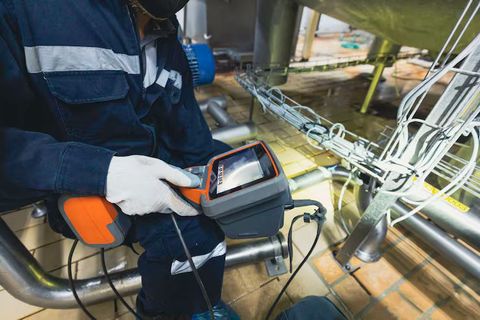
Regular maintenance helps machinery continue operating safely and efficiently. Maintenance schedules vary depending on operating conditions, equipment type, and manufacturer recommendations.
Typical maintenance activities include:
- Lubricating moving parts
- Inspecting seals and bearings
- Checking pressure levels
- Monitoring vibration
- Replacing worn components
- Cleaning filters
- Testing valves
- Calibrating sensors
Routine inspections also help detect corrosion, leaks, excessive wear, and mechanical damage before they affect production.
Safety Considerations
Oil and gas operations often involve high pressures, elevated temperatures, and flammable materials. Because of these conditions, machinery is designed with multiple protective systems.
Important safety measures include:
- Pressure relief devices
- Emergency shutdown systems
- Fire detection equipment
- Gas monitoring sensors
- Protective guards
- Automatic alarms
- Routine equipment inspections
- Operator training programs
Following established safety procedures helps reduce operational risks while protecting personnel and equipment.
Technology Trends
Technology continues to influence how oil and gas machinery is designed and operated.
Some notable developments include:
Smart Sensors
Connected sensors continuously collect information about temperature, pressure, vibration, and equipment performance.
Predictive Maintenance
Data analysis helps maintenance teams identify early signs of equipment wear before failures occur.
Automation
Automated control systems manage many routine operating tasks while reducing manual intervention.
Digital Monitoring
Real-time monitoring allows operators to observe equipment performance from centralized control rooms.
Energy Efficiency
Manufacturers continue improving machine designs to reduce energy consumption while maintaining reliable performance.
Environmental Considerations
Modern industrial equipment increasingly focuses on reducing environmental impact.
Examples include:
- Improved leak detection systems
- Reduced emissions technology
- Efficient fluid handling
- Better waste management equipment
- Lower energy consumption
- Enhanced monitoring systems
These improvements support responsible resource management while helping facilities operate more efficiently.
Factors When Selecting Oil and Gas Machinery
Choosing suitable machinery depends on several technical considerations.
Common evaluation factors include:
- Operating pressure
- Flow requirements
- Fluid characteristics
- Temperature range
- Material compatibility
- Environmental conditions
- Maintenance requirements
- Expected operating life
- Safety standards
Matching equipment specifications with operating conditions helps support reliable long-term performance.
Future Outlook
Oil and gas machinery continues to evolve alongside advances in engineering, digital monitoring, automation, and materials science. Modern equipment is becoming more intelligent through integrated sensors, data analysis, and automated control systems. These technologies support improved operational awareness while helping facilities monitor equipment health more effectively.
Future developments are expected to focus on stronger materials, improved efficiency, enhanced safety systems, and expanded digital connectivity. As industrial requirements continue to change, machinery will remain an essential part of exploration, production, processing, and transportation activities.
Conclusion
Oil and gas machinery forms the foundation of modern energy production. From drilling rigs and pumps to compressors, valves, separators, and turbines, every machine performs a specific function that supports the movement and processing of valuable natural resources.
Understanding how this equipment works provides a clearer picture of the complex systems operating behind everyday energy supplies. Continued advancements in automation, monitoring technology, maintenance practices, and equipment design are helping the industry improve reliability, operational efficiency, and safety while meeting changing industrial needs.