Composite Material Overview for Manufacturing Construction and Transportation Industries
Composite materials have become an essential part of modern engineering, helping industries create products that are lightweight, durable, and resistant to demanding environmental conditions.
From aircraft and automobiles to bridges, buildings, and industrial equipment, composite material technology supports innovative designs while improving performance and efficiency.
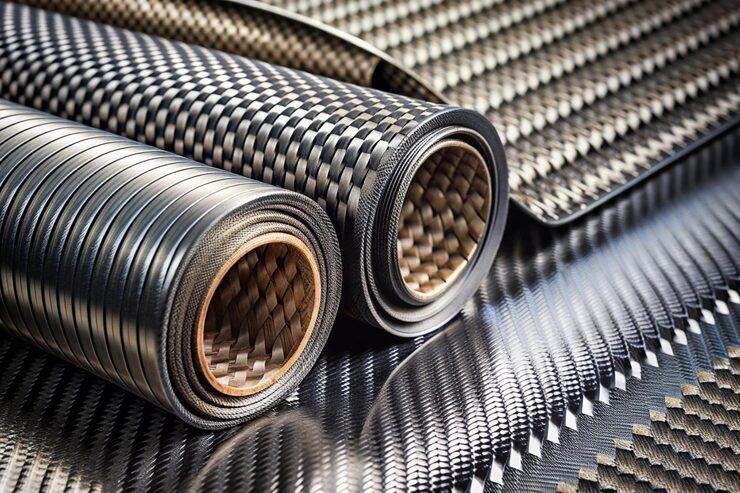
Unlike traditional materials such as steel, wood, or aluminum, composite materials combine two or more distinct substances to create a product with enhanced properties. This combination allows engineers to design components that balance strength, weight, corrosion resistance, and flexibility according to specific application requirements.
As manufacturing techniques continue to advance, industrial composite materials are being adopted across a growing number of industries. This guide explores what composite materials are, how they are produced, where they are used, and why they have become increasingly important in manufacturing, construction, and transportation.
What Is a Composite Material?
A composite material is an engineered material made by combining two or more different materials that retain their individual characteristics while working together to provide improved overall performance.
Most composite materials consist of two primary components:
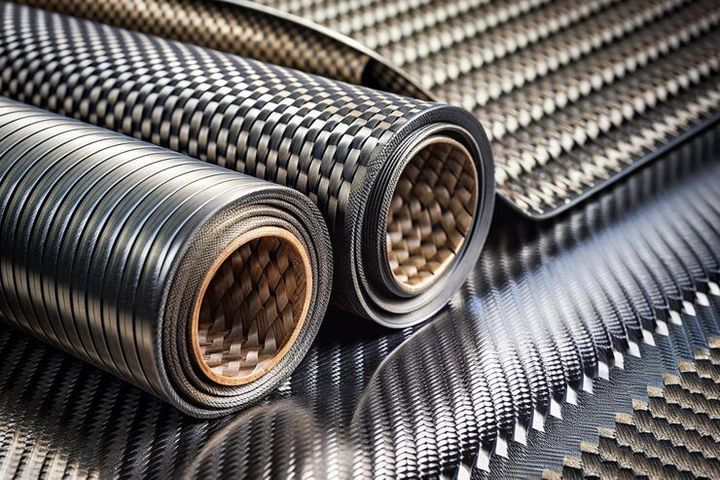
- Reinforcement: Provides strength and stiffness, often using fibers such as glass, carbon, or aramid.
- Matrix: Binds the reinforcement together and transfers loads throughout the material. Common matrix materials include polymers, metals, or ceramics.
The result is a material that often performs better than either component could achieve on its own.
Composite materials are designed to meet specific engineering requirements, making them highly adaptable across a wide variety of industries.
Why Composite Materials Are Important
Modern industries face increasing demands for products that are lighter, stronger, more durable, and energy efficient. Composite materials help meet these goals by offering a combination of mechanical and environmental advantages.
Some key benefits include:
- High strength-to-weight ratio
- Excellent corrosion resistance
- Design flexibility
- Reduced maintenance requirements
- Improved fatigue resistance
- Thermal stability
- Long service life
- Good dimensional stability
Because of these characteristics, composite material solutions are often selected where traditional materials may present limitations.
How Composite Materials Are Manufactured
Composite manufacturing involves combining reinforcement materials with a matrix through carefully controlled production processes.
Although production methods vary depending on the application, the general process includes:
- Preparing reinforcement materials
- Positioning fibers or fabrics within a mold
- Applying the matrix material
- Removing trapped air
- Curing or hardening the material
- Finishing and inspecting the final component
The manufacturing method is selected based on the required strength, production volume, component size, and performance expectations.
Common Types of Composite Materials
Composite materials are available in several categories, each designed for different industrial applications.
| Composite Type | Main Characteristics | Common Applications |
|---|---|---|
| Fiber-Reinforced Polymers | Lightweight and strong | Aerospace, automotive, sporting goods |
| Carbon Fiber Composites | High stiffness and low weight | Aircraft, racing vehicles, industrial equipment |
| Glass Fiber Composites | Durable and corrosion resistant | Construction panels, boats, pipelines |
| Metal Matrix Composites | High-temperature performance | Industrial machinery, transportation |
| Ceramic Matrix Composites | Heat resistance | Aerospace and specialized engineering |
Each type offers different mechanical properties that suit particular operating environments.
Understanding Composite Manufacturing
Composite manufacturing has evolved significantly with advances in automation, material science, and production technology.
Modern manufacturing techniques include:
Hand Lay-Up
One of the traditional fabrication methods where reinforcement materials are manually placed into molds before resin application.
Compression Molding
This process shapes composite materials under controlled pressure and temperature, making it suitable for consistent production.
Resin Transfer Molding
Resin is injected into a closed mold containing reinforcement fibers, producing high-quality finished components with good dimensional accuracy.
Pultrusion
Pultrusion creates continuous composite profiles such as beams, rods, and structural supports by pulling reinforcement fibers through resin and heated dies.
Automated Fiber Placement
Highly automated systems precisely position composite fibers for complex engineering applications requiring exceptional consistency.
Each manufacturing process is selected according to production requirements and component complexity.
Composite Fabrication Techniques
Composite fabrication refers to the methods used to shape, assemble, and finish composite components after manufacturing.
Common fabrication activities include:
- Precision cutting
- Machining
- Trimming
- Bonding
- Surface finishing
- Inspection
- Assembly
- Quality verification
Modern fabrication emphasizes precision while preserving the structural integrity of the composite material.
Advanced computer-controlled equipment has improved both fabrication accuracy and production efficiency.
Industrial Composite Materials Across Major Industries
Industrial composite materials support numerous engineering sectors by combining durability with lightweight performance.
Major applications include:
Manufacturing
Manufacturing industries use composites for machine guards, equipment housings, production tooling, conveyor components, and specialized industrial structures.
Construction
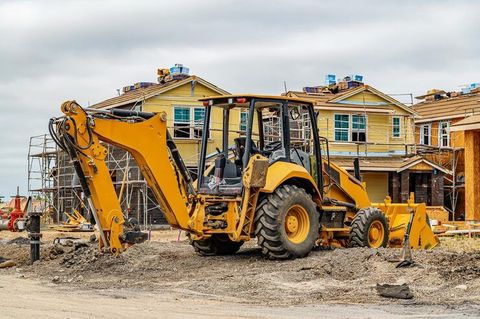
Construction projects increasingly incorporate composite panels, structural reinforcement systems, roofing materials, façade elements, and bridge components.
Transportation
Automotive, railway, marine, and aerospace industries use composites to reduce weight while maintaining structural performance and improving energy efficiency.
Renewable Energy
Wind turbine blades, solar equipment structures, and other renewable energy systems frequently utilize composite materials due to their durability and resistance to environmental exposure.
Infrastructure
Civil engineering projects use composite materials in bridges, walkways, pipelines, utility systems, and reinforcement applications where corrosion resistance is important.
Composite Panels and Their Uses
Composite panels have become widely used because they combine structural performance with design flexibility.
These panels are commonly found in:
- Commercial buildings
- Industrial facilities
- Transportation interiors
- Architectural cladding
- Cleanroom environments
- Cold storage facilities
- Modular construction
- Interior partitions
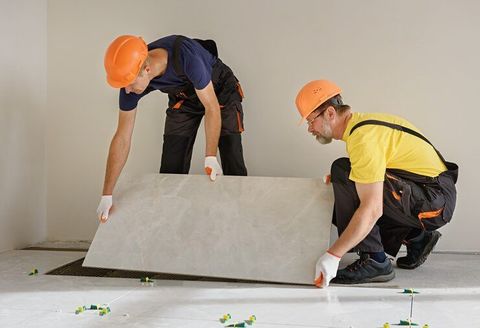
Composite panels often provide smooth finishes, lightweight construction, and long-term durability while supporting efficient installation.
Advantages of Composite Materials
The popularity of composite materials continues to grow because they provide several engineering advantages.
Lightweight Construction
Reduced weight improves transportation efficiency, simplifies installation, and supports energy savings in many applications.
Corrosion Resistance
Unlike some traditional materials, many composites resist moisture, chemicals, and environmental degradation.
Design Flexibility
Engineers can tailor composite properties to meet specific strength, stiffness, and performance requirements.
Reduced Maintenance
Many composite structures require less maintenance throughout their operational life due to their resistance to corrosion and weathering.
Improved Durability
Properly engineered composites perform well under repeated loading, vibration, and challenging environmental conditions.
Challenges of Using Composite Materials
Despite their many advantages, composite materials also present several considerations.
Manufacturing Complexity
Some composite manufacturing processes require specialized equipment and carefully controlled production conditions.
Inspection Methods
Evaluating internal composite structures often requires advanced non-destructive testing techniques.
Repair Considerations
Repair procedures may differ significantly from those used for traditional metal components.
Recycling
Researchers continue developing improved recycling methods as composite usage expands across industries.
Understanding these challenges helps engineers make informed material selection decisions.
Sustainability and Composite Innovation
Sustainability is becoming increasingly important in composite material development.
Current areas of innovation include:
- Recyclable composite materials
- Bio-based resins
- Natural fiber reinforcements
- Improved manufacturing efficiency
- Reduced production waste
- Energy-efficient fabrication processes
These developments aim to improve environmental performance while maintaining the mechanical advantages of composite materials.
Future Trends in Composite Manufacturing
Rapid advances in engineering continue to expand composite applications.
Emerging trends include:
- Automated composite manufacturing
- Artificial intelligence-assisted quality control
- Digital manufacturing systems
- Additive manufacturing integration
- Smart composite materials with embedded sensors
- Advanced lightweight transportation structures
- Sustainable composite fabrication
- Improved recycling technologies
These innovations are expected to further increase the role of industrial composite materials across multiple sectors.
Frequently Asked Questions
What is a composite material?
A composite material is an engineered material made by combining two or more different materials to achieve improved mechanical, physical, or environmental performance.
What industries commonly use composite materials?
Composite materials are widely used in manufacturing, construction, transportation, aerospace, marine engineering, renewable energy, and infrastructure projects.
What is composite manufacturing?
Composite manufacturing is the process of producing composite components by combining reinforcement materials with a matrix through controlled fabrication techniques.
What are composite panels?
Composite panels are engineered building or structural panels made from multiple bonded materials that provide lightweight strength, durability, and design flexibility.
Why are industrial composite materials becoming more popular?
Industrial composite materials offer lightweight performance, corrosion resistance, durability, design flexibility, and long service life, making them suitable for many modern engineering applications.
Conclusion
Composite materials have transformed modern engineering by providing innovative solutions for manufacturing, construction, and transportation industries. Through the combination of reinforcement materials and specialized matrices, these advanced materials deliver excellent strength, reduced weight, corrosion resistance, and long-term durability across a wide range of applications.
As composite manufacturing and composite fabrication technologies continue to advance, industrial composite materials are becoming increasingly versatile, efficient, and sustainable. Whether used in composite panels for modern buildings, lightweight transportation components, or high-performance industrial equipment, composite materials will continue to play an important role in shaping the future of engineering, infrastructure, and advanced manufacturing.