Composite Material Overview: Structure, Benefits, Types, and Applications
A composite material is created by combining two or more different materials so that they work together while keeping their individual characteristics.
The resulting structure can provide a useful balance of strength, weight, durability, flexibility, or resistance to environmental conditions. Composite materials are found in transportation, construction, energy systems, electronics, sporting equipment, and many other areas of modern life.
The basic idea behind composites is not new. Natural materials such as wood are themselves composite structures, combining strong fibers with a surrounding matrix. Human-made composites developed from similar principles, with engineers combining reinforcing materials and binding materials to achieve specific mechanical properties.
Modern advanced composite materials can be designed for demanding environments where conventional materials may be too heavy, too rigid, or vulnerable to corrosion. Industrial composite materials now play an important role in equipment, buildings, vehicles, aircraft, and infrastructure.
How a Composite Material Is Structured
Most composite structures contain two main parts: reinforcement and matrix. The reinforcement provides much of the strength or stiffness, while the matrix holds the reinforcement in position, transfers loads, and helps protect the internal structure.
Common reinforcing materials include carbon fibers, glass fibers, aramid fibers, and natural fibers. Matrix materials may include polymers, ceramics, metals, or other binding substances. The combination selected depends on the intended application and operating environment.
Composite material engineering involves studying how these components interact. Engineers may examine fiber direction, layer thickness, temperature resistance, moisture exposure, impact behavior, and expected mechanical loads before defining a material structure.
Main Types of Composite Materials
Several categories are widely used in composite manufacturing. Each has different characteristics and areas of application.
| Composite type | Common reinforcement | General characteristics | Typical applications |
|---|---|---|---|
| Fiberglass composites | Glass fibers | Durable, corrosion resistant, adaptable | Panels, pipes, tanks, vehicle parts |
| Carbon fiber composites | Carbon fibers | High stiffness and low weight | Aircraft, vehicles, sporting equipment |
| Natural fiber composites | Plant-based fibers | Renewable reinforcement options | Interior panels and consumer products |
| Ceramic matrix composites | Ceramic fibers | Resistance to high temperatures | Turbines and thermal components |
| Metal matrix composites | Ceramic or metallic reinforcement | Strength and thermal stability | Transport and industrial components |
Fiberglass composite materials are widely used because they can be shaped into many forms and withstand moisture and chemical exposure in suitable designs. Carbon fiber composites are often selected when low weight and high stiffness are important.
Structural composite materials are designed to carry loads or support physical structures. These materials may appear in bridge components, building panels, aircraft structures, vehicle parts, and industrial equipment.
Why Composite Materials Matter
Strength, Weight, and Durability
One major reason for using a composite material is the ability to combine properties that may be difficult to achieve with a single conventional material. A component can sometimes be made lighter while maintaining the strength required for its intended function.
Lower weight can influence transportation systems because moving a lighter structure may require less energy. This is one reason aerospace composite materials and automotive composite materials have become important areas of research and engineering.
Durability is another important factor. Certain industrial composite materials can resist corrosion, moisture, chemicals, or repeated environmental exposure. Their actual performance depends on material selection, manufacturing quality, design, and operating conditions.
Design Flexibility
Composite manufacturing allows engineers to control properties in specific directions. For example, fibers can be arranged along the direction where a component is expected to experience significant loads.
This approach differs from many uniform materials that have similar properties in every direction. Advanced composite materials can use multiple layers, with each layer positioned to perform a particular structural function.
High performance composites may also support complex shapes that combine several functions into one component. However, complex designs require careful analysis because internal defects, poor bonding, or incorrect fiber placement can affect performance.
Everyday and Industrial Applications
Composite materials affect many areas of daily life, even when they are not immediately visible. They can appear in transportation, renewable energy equipment, construction products, communication systems, and household items.
Common application areas include:
- Transportation components that require a balance of strength and reduced weight
- Aircraft structures and interior components
- Wind turbine blades and energy equipment
- Pipes, tanks, ducts, and industrial enclosures
- Building panels, reinforcement systems, and structural elements
- Sporting equipment and protective structures
- Electrical and electronic components requiring specific insulation properties
A composite material manufacturer may focus on one industry or work with several material systems. The manufacturing process depends on the reinforcement, matrix, geometry, production volume, and performance requirements.
Current Developments in Composite Technology
Greater Focus on Automation
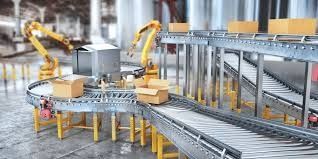
The current direction of composite manufacturing includes greater use of automated production methods. Robotic fiber placement, automated cutting, digital inspection, and computer-controlled processing are helping manufacturers improve consistency in complex components.
Automation is particularly relevant to aerospace composite materials and high performance composite systems, where precise fiber orientation and controlled processing conditions can be important. Digital production records are also being used to track materials and manufacturing parameters.
Recycling and Material Recovery
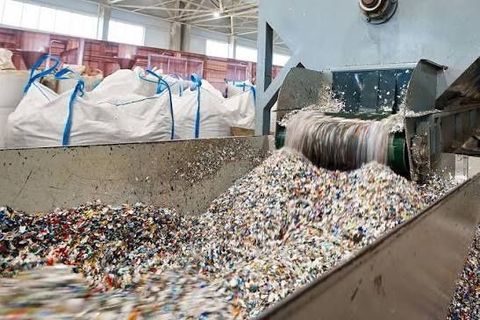
Recycling remains an important challenge for some composite structures. Unlike many single-material products, composites can contain tightly bonded components that are difficult to separate.
Current research is examining mechanical recycling, thermal processing, chemical recovery methods, and designs that consider material recovery from an early stage. Carbon fiber composites are receiving particular attention because recovered fibers may retain useful properties for certain secondary applications.
Development of Alternative Materials
Research into natural fibers, bio-based matrix materials, and lower-impact production methods continues to expand. These approaches are being studied for applications where their mechanical and environmental characteristics are suitable.
At the same time, engineers are developing high performance composites for demanding conditions involving heat, pressure, vibration, or repeated loading. New resin systems, hybrid reinforcements, and improved manufacturing controls are contributing to this development.
Digital Engineering and Simulation
Computer simulation has become increasingly important in composite material engineering. Digital models can help researchers study stress distribution, fiber orientation, impact behavior, and possible failure patterns before physical production begins.
Digital twins and advanced simulation platforms are also being explored for manufacturing processes. These tools can support process planning, quality monitoring, and analysis of how production conditions may affect the final component.
Rules and Policies Affecting Composite Materials
Product Safety and Technical Standards
Composite materials are shaped by technical standards and safety requirements that vary by country and application. In India, organizations such as the Bureau of Indian Standards develop and maintain standards for many materials, products, and testing methods.
Aerospace, automotive, construction, electrical, and industrial applications may also be subject to sector-specific requirements. These rules can address structural strength, fire behavior, chemical exposure, electrical characteristics, testing procedures, and quality control.
International standards developed by organizations such as ISO and ASTM are also widely referenced in composite material testing and engineering. The applicable standard depends on the material type, component, industry, and intended use.
Environmental and Waste Rules
Composite production and disposal may be affected by environmental rules covering industrial emissions, waste handling, chemical management, and recycling. Manufacturers may need to manage resin systems, processing materials, dust, and production waste according to applicable requirements.
Environmental policy is also encouraging greater attention to material efficiency and circular production models. For composite manufacturing, this has increased interest in repairability, material recovery, recycled reinforcement, and designs that reduce production waste.
Transportation and Aerospace Requirements
Aerospace composite materials generally require detailed testing and documentation because aircraft components operate under demanding conditions. Material behavior may be evaluated under fatigue, impact, temperature changes, moisture exposure, and repeated loading.
Automotive composite materials may also need to meet rules related to vehicle safety, structural performance, emissions-related design goals, and end-of-life management. Requirements vary according to the component and the market where the vehicle is used.
Tools and Resources for Understanding Composite Materials
Material Selection Databases
Material databases can help engineers and students compare mechanical, thermal, electrical, and environmental properties. Platforms such as MatWeb and engineering material databases provide reference information for many metals, polymers, ceramics, and composite systems.
These resources can support early research, although final engineering decisions usually require verified technical data from the relevant material source and appropriate testing.
Engineering and Simulation Software
Finite element analysis software is commonly used in composite material engineering. Programs such as ANSYS and Abaqus can model stress, deformation, layered structures, and certain failure conditions.
Computer-aided design platforms are also used to create component geometry and prepare manufacturing information. Specialized composite modules can assist with layer definitions, fiber directions, and structural analysis.
Testing Methods and Standards Libraries
Standards libraries from ISO, ASTM International, and national standards organizations provide information about recognized testing procedures. Common tests examine tensile strength, compression, flexural behavior, impact resistance, moisture absorption, and thermal performance.
Testing is especially important for structural composite materials because small changes in processing or fiber orientation can influence mechanical behavior.
Manufacturing Planning Tools
Custom composite manufacturing may involve process planning documents that define materials, layer sequences, curing conditions, inspection stages, and dimensional requirements. Digital templates and manufacturing execution platforms can help organize these records.
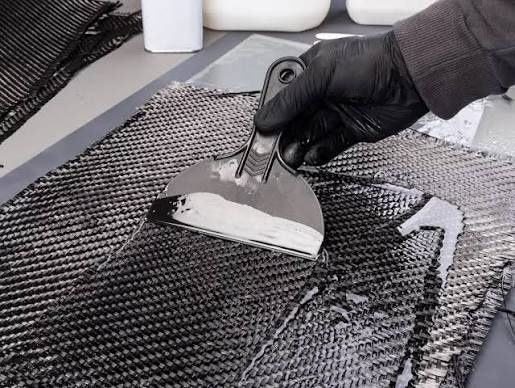
Common manufacturing methods include hand lay-up, resin transfer molding, compression molding, pultrusion, filament winding, and automated fiber placement. The appropriate method depends on component shape, material system, production scale, and required properties.
Frequently Asked Questions
What is a composite material?
A composite material combines two or more distinct materials to create a structure with selected properties. Most engineered composites contain reinforcement, such as fibers, and a matrix that holds the reinforcement together and transfers loads.
What are advanced composite materials used for?
Advanced composite materials are used in aircraft, vehicles, energy equipment, industrial machinery, sporting products, and structural applications. Their use depends on factors such as weight, stiffness, temperature resistance, durability, and operating conditions.
What is the difference between carbon fiber composites and fiberglass composite materials?
Carbon fiber composites generally provide high stiffness at relatively low weight, while fiberglass composite materials are widely used for durable structures, panels, pipes, and corrosion-resistant components. Their suitability depends on the specific design and performance requirements.
How does composite manufacturing work?
Composite manufacturing combines reinforcement and matrix materials through processes such as molding, lay-up, winding, pultrusion, or automated fiber placement. The material is then formed and processed under controlled conditions to create the required structure.
Where are high performance composite systems commonly used?
High performance composite systems are commonly associated with aerospace, transportation, energy, industrial equipment, and specialized structural applications. They are designed around specific requirements such as strength, stiffness, heat resistance, fatigue behavior, or reduced weight.
Conclusion
Composite materials combine different material components to create structures with carefully selected properties. Fiberglass, carbon fiber, ceramic matrix, metal matrix, and other composite systems support applications across transportation, construction, aerospace, energy, and industrial sectors. Developments in automation, recycling, digital engineering, and alternative materials continue to shape composite manufacturing. Standards, testing methods, and environmental rules also influence how these materials are designed, produced, and used.