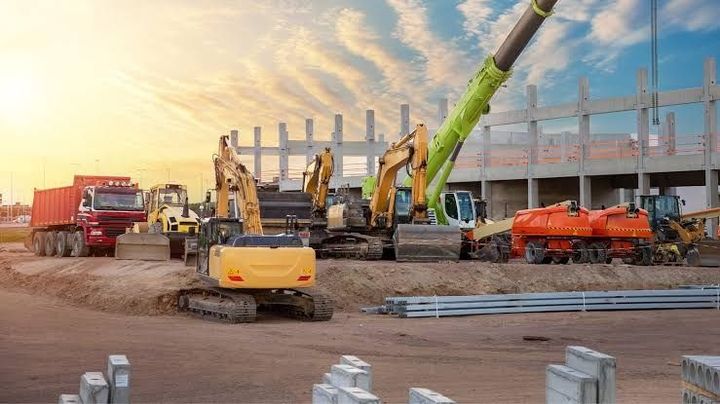
Construction Machinery Tips: Helpful Insights Into Equipment Selection and Usage
Choosing appropriate construction machinery can influence how safely and efficiently a project progresses.
Equipment such as excavators, loaders, cranes, compactors, graders, and concrete machinery is designed for different applications, site conditions, and workloads. Understanding these differences helps project teams make practical decisions.
Construction machinery tips are useful for contractors, site supervisors, operators, engineers, and property developers. A basic understanding of equipment selection and usage can also help reduce operational problems, improve planning, and support safer construction activities.
Context
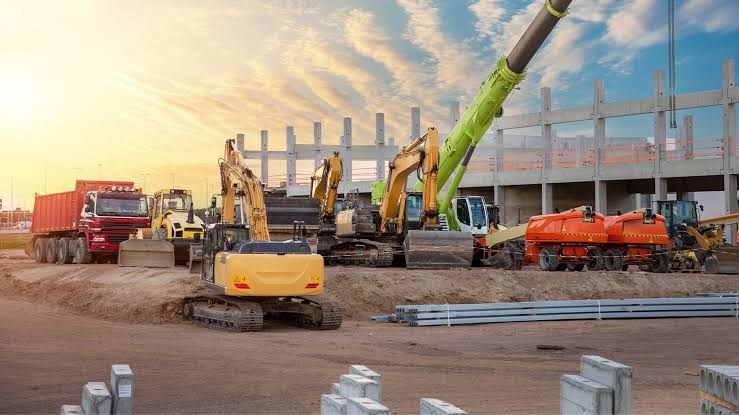
Construction machinery refers to powered equipment used for activities such as excavation, lifting, grading, material handling, compaction, demolition, drilling, and concrete preparation. Modern machines range from compact equipment for restricted areas to large machines designed for major infrastructure projects.
The purpose of selecting suitable machinery is to match the equipment with the actual requirements of a project. Factors such as ground conditions, working space, material type, project duration, required capacity, operator skills, and transportation arrangements can affect the decision.
Common categories include:
| Machinery Type | Typical Application | Important Considerations |
|---|---|---|
| Excavator | Digging and trenching | Bucket size, reach, ground conditions |
| Wheel Loader | Material handling | Payload, operating area, attachment |
| Bulldozer | Earthmoving and grading | Blade type, terrain, traction |
| Motor Grader | Surface preparation | Blade control, road width, material |
| Crane | Lifting materials | Load capacity, height, site clearance |
| Compactor | Soil and asphalt compaction | Drum type, soil condition, vibration |
| Concrete Mixer | Concrete preparation | Mixing capacity, material consistency |
Equipment selection should begin with a clear understanding of the task. For example, an excavator may be appropriate for trench excavation, while a motor grader is designed for more precise surface shaping.
The size of machinery also matters. Larger equipment can handle substantial workloads, but it may require more space and careful movement planning. Compact machinery can be useful where access is restricted or working areas are relatively small.
Importance
Selecting and using construction equipment appropriately can affect productivity, workplace safety, project planning, and equipment reliability. Poorly matched machinery may create unnecessary delays, difficult operating conditions, or increased wear.
Equipment operators and site supervisors need to understand the capabilities and limitations of each machine. Manufacturer instructions should be reviewed before operation, particularly when using unfamiliar machinery or attachments.
Several factors deserve attention during equipment selection:
- Nature and volume of the work
- Site access and available working space
- Ground and weather conditions
- Required lifting, digging, or carrying capacity
- Attachment compatibility
- Operator visibility and control requirements
- Transportation and storage arrangements
- Inspection and maintenance requirements
Safety is especially important around heavy machinery. Pedestrians, workers, vehicles, overhead structures, underground utilities, and unstable ground can create hazards. Site-specific risk assessments and established operating procedures can help reduce these risks.
Training is another important consideration. Operators should understand controls, warning systems, machine limitations, and safe operating procedures. Communication between operators and ground personnel is particularly important when visibility is restricted.
Recent Updates
Construction machinery is changing as manufacturers and technology developers introduce improved monitoring, automation, electrification, and digital controls.
Telematics systems are increasingly used to collect information about machine operation. Depending on the equipment, these systems can provide data relating to operating hours, location, fuel or energy consumption, alerts, and maintenance indicators.
Automation is also becoming more common in certain construction applications. Machine-control technologies can assist with grading, excavation, and positioning by using sensors, digital site models, and positioning systems.
Electrification is another notable development. Battery-powered compact construction equipment is being developed for applications where lower local emissions and reduced noise are important. The practicality of electric equipment depends on factors such as operating duration, charging infrastructure, workload, and site conditions.
Other developments include:
- Improved operator-assistance technologies
- Remote equipment monitoring
- Machine-control and positioning systems
- Alternative powertrain technologies
- More efficient hydraulic systems
- Advanced safety detection systems
Digital planning is also influencing equipment usage. Three-dimensional site models and construction-management platforms can help project teams coordinate machinery movements, quantities, and work sequences.
These technologies do not remove the need for trained personnel. Operators and supervisors still need to understand the machine, work environment, applicable procedures, and limitations of digital systems.
Laws or Policies
Construction machinery is subject to different safety, environmental, transportation, and workplace requirements depending on the country, state, and type of project.
In India, construction activities can involve requirements under occupational safety legislation, environmental rules, traffic regulations, and standards applicable to particular equipment. The Occupational Safety, Health and Working Conditions Code, 2020 is an important national framework concerning occupational safety and working conditions, although implementation and applicable requirements depend on the relevant legal and administrative framework.
Construction equipment may also be affected by regulations concerning emissions and engine standards. Requirements can differ according to equipment category, engine type, manufacturing period, and applicable regulatory notifications.
For lifting equipment, additional attention may be required for rated capacity, inspection, safe operation, lifting accessories, and competent personnel. Excavation work can also require precautions concerning underground utilities, structural stability, access, and worker protection.
Before machinery is used, project teams should verify:
- Applicable national and local regulations
- Manufacturer operating instructions
- Workplace safety requirements
- Equipment inspection requirements
- Environmental and emissions requirements
- Transportation and road-use rules
- Site-specific risk controls
Regulations can change, so current requirements should be confirmed through the appropriate government authority or official regulatory publication.
Tools and Resources
Several resources can help construction professionals understand equipment selection and operation.
Manufacturer manuals are among the most useful sources because they provide machine-specific information about operating limits, controls, inspection procedures, attachments, and maintenance intervals.
Government regulatory websites are useful for checking current legislation, notifications, safety requirements, and environmental rules. Professional engineering and construction organizations can also provide technical guidance and educational material.
Useful planning resources may include:
- Equipment specification sheets
- Load-capacity charts
- Productivity calculation worksheets
- Site-planning templates
- Risk-assessment forms
- Equipment inspection checklists
- Digital construction-planning platforms
Productivity calculations should use realistic site conditions rather than relying only on theoretical machine capacity. Operator experience, material characteristics, travel distance, loading cycles, terrain, and interruptions can all influence actual output.
For lifting operations, load charts should be interpreted carefully because capacity can change according to boom configuration, operating radius, attachment, ground conditions, and other factors. When safety-critical information is involved, manufacturer documentation and qualified professionals should take precedence over general online calculators.
FAQs
What are the most important construction machinery tips?
Start by defining the work requirement, site conditions, available space, machine capacity, attachment needs, operator requirements, and applicable safety rules. The equipment should match the task rather than being selected solely by machine size.
How do I choose construction machinery for a project?
Compare the project's workload, material, terrain, access restrictions, required reach or capacity, operating environment, and expected working pattern with the specifications of suitable machines.
Why is equipment inspection important?
Inspection can identify visible damage, fluid leaks, worn components, defective safety features, and other problems before operation. The exact inspection procedure should follow manufacturer instructions and applicable workplace requirements.
What role does technology play in construction machinery?
Telematics, machine-control systems, sensors, positioning technologies, and automation can provide operational information and assist with certain construction tasks. Their usefulness depends on the equipment, project, and working environment.
Are construction machinery regulations the same everywhere?
No. Requirements vary by country, state, project type, equipment category, and operating environment. Local authorities and current official regulations should be consulted for applicable requirements.
Conclusion
Construction machinery selection involves more than choosing equipment based on size or capacity. Understanding the work, site conditions, machine specifications, operator requirements, safety considerations, and applicable regulations supports better planning and responsible equipment usage.
New technologies such as telematics, automation, machine control, and electrification are changing how construction machinery is monitored and operated. However, fundamental principles such as proper training, inspection, safe working procedures, and compliance with applicable rules remain essential.
Good equipment planning begins before machinery reaches the work area. Clear task definitions, realistic productivity expectations, and site-specific risk assessment can help teams organize construction activities more effectively.
As construction methods continue to evolve, professionals can combine established safety practices with appropriate digital tools and newer equipment technologies to support efficient and responsible project execution.

You May Also Like