Cooking Equipment Guide for Understanding Essential Tools Used in Modern Kitchens
A well-equipped kitchen makes food preparation more efficient, organized, and enjoyable.
Whether preparing simple home-cooked meals or working in a professional culinary environment, the right cooking equipment plays a significant role in improving workflow, food quality, and kitchen safety. From basic hand tools to advanced appliances, modern kitchens rely on a combination of equipment designed for preparation, cooking, baking, and food storage.
As cooking techniques continue evolving, kitchen equipment has become more specialized, energy-efficient, and user-friendly. Understanding the purpose of different tools helps beginners develop essential cooking skills while enabling experienced cooks to organize their kitchens more effectively. This cooking equipment guide explores the fundamentals of kitchen tools, cookware, appliances, practical applications, selection considerations, and emerging trends shaping today's culinary spaces.
This article explains essential cooking equipment, kitchen organization, food preparation tools, cookware, appliance categories, decision-making considerations, and innovations in modern kitchen technology.
What Is Cooking Equipment?
Cooking equipment includes the tools, utensils, cookware, and appliances used to prepare, cook, bake, serve, and store food. Every item is designed for a specific function, helping improve efficiency, consistency, and safety during meal preparation.
Cooking equipment ranges from simple knives and cutting boards to advanced induction cooktops, multifunction ovens, food processors, and smart kitchen appliances.
Both home kitchens and commercial food preparation environments rely on carefully selected equipment that supports different cooking techniques and recipe requirements.
Essential Categories of Cooking Equipment
A functional kitchen includes several categories of equipment that work together throughout the cooking process.
Food Preparation Tools
Preparation tools include chef's knives, paring knives, cutting boards, peelers, graters, measuring cups, mixing bowls, whisks, and kitchen scales.
These tools assist with chopping, slicing, measuring, mixing, and ingredient preparation before cooking begins.
Cookware
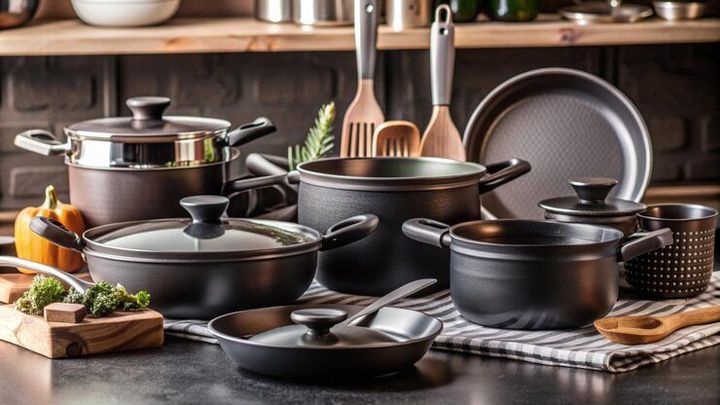
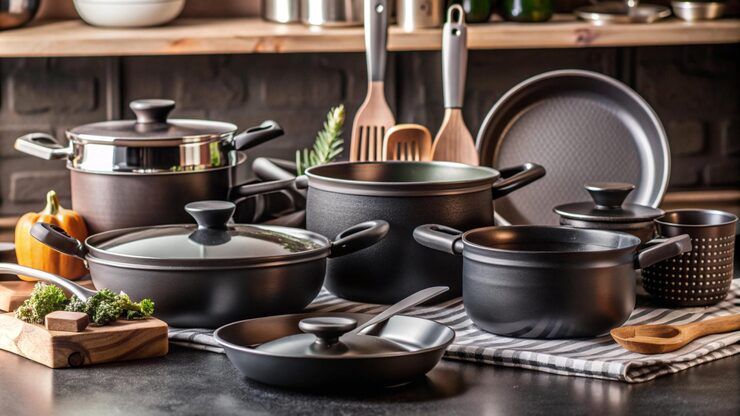
Cookware includes frying pans, saucepans, stockpots, sauté pans, Dutch ovens, roasting pans, baking trays, and casserole dishes.
Different cookware materials influence heat distribution, durability, and suitability for various cooking methods.
Kitchen Appliances
Modern kitchens often include ovens, stovetops, microwave ovens, blenders, food processors, stand mixers, rice cookers, pressure cookers, air fryers, and refrigerators.
These appliances simplify cooking while improving efficiency and consistency.
Serving and Storage Equipment
Serving utensils, food containers, storage jars, cooling racks, and insulated containers help organize prepared meals while maintaining freshness and convenience.
Why Quality Cooking Equipment Matters
Appropriate cooking equipment supports both performance and safety.
Sharp knives improve precision while reducing unnecessary force during food preparation.
Quality cookware distributes heat more evenly, helping achieve consistent cooking results.
Reliable appliances simplify repetitive kitchen tasks and improve workflow efficiency.
Well-designed kitchen tools also contribute to better organization, reducing preparation time and improving overall cooking experiences.
Choosing equipment that matches intended cooking techniques helps maximize long-term usefulness.
Materials Used in Modern Cookware
Material selection influences cooking performance.
Stainless steel is valued for durability, corrosion resistance, and versatility.
Cast iron provides excellent heat retention, making it suitable for slow cooking and high-temperature applications.
Aluminum offers efficient heat conductivity and relatively lightweight handling.
Copper delivers highly responsive temperature control, although it typically requires additional care.
Ceramic-coated cookware is appreciated for its smooth cooking surface and ease of cleaning.
Each material offers unique characteristics depending on cooking preferences and recipe requirements.
Practical Applications in Everyday Kitchens
Cooking equipment supports a wide range of culinary activities.
Home kitchens use versatile tools for preparing everyday meals, family dinners, and special occasions.
Professional kitchens rely on specialized equipment capable of handling continuous food preparation with consistent performance.
Educational culinary programs teach students how different tools contribute to food preparation techniques and kitchen efficiency.
Outdoor cooking setups incorporate portable grills, cookware, and preparation tools designed for camping and recreational cooking.
These examples illustrate the versatility of modern cooking equipment across different environments.
Kitchen Organization and Maintenance
Proper organization improves kitchen efficiency.
Storing frequently used tools within easy reach reduces unnecessary movement during meal preparation.
Regular sharpening helps maintain knife performance and safety.
Cookware should be cleaned according to manufacturer recommendations to preserve cooking surfaces and extend service life.
Small appliances benefit from routine cleaning, inspection, and proper storage when not in use.
Organized cabinets, labeled storage containers, and designated preparation areas contribute to smoother kitchen workflows.
These maintenance habits help ensure reliable long-term equipment performance.
Decision Guide: Choosing Cooking Equipment
Selecting the best cooking equipment depends on cooking style, kitchen size, meal preparation frequency, available storage space, material preferences, durability, and intended culinary techniques.
Individuals who prepare everyday family meals often prioritize versatile cookware and multifunction appliances, while baking enthusiasts may require specialized baking tools and precision measuring equipment. Professional kitchens generally emphasize durability, consistent performance, and equipment designed for high-volume food preparation.
A cooking equipment comparison commonly evaluates material quality, heat distribution, durability, maintenance requirements, ergonomics, energy efficiency, compatibility with different cooking surfaces, and overall versatility.
In many cases, multipurpose equipment tends to work well because it supports a broader variety of recipes without requiring numerous specialized tools.
The real difference appears when equipment selection aligns with cooking habits, available kitchen space, and long-term culinary goals.
Emerging Trends in Cooking Equipment
Kitchen technology continues evolving through innovation.
Smart appliances now incorporate digital controls, programmable cooking functions, and connectivity features that simplify meal preparation.
Energy-efficient induction cooking systems continue gaining popularity because of their rapid heating performance and precise temperature control.
Manufacturers are increasingly exploring recycled materials and environmentally responsible production methods for cookware and kitchen accessories.
Compact multifunction appliances are becoming more common as households seek space-saving solutions without sacrificing functionality.
Advances in ergonomic design also improve comfort, safety, and accessibility during everyday cooking.
These developments continue shaping more efficient and user-friendly kitchens.
Frequently Asked Questions
1. What is cooking equipment?
Cooking equipment includes the tools, cookware, utensils, and appliances used for preparing, cooking, baking, serving, and storing food.
2. What cookware materials are commonly used?
Common materials include stainless steel, cast iron, aluminum, copper, and ceramic-coated cookware.
3. Why is quality cooking equipment important?
Quality equipment improves cooking consistency, kitchen efficiency, safety, durability, and overall food preparation performance.
4. How should cooking equipment be maintained?
Regular cleaning, proper storage, knife sharpening, cookware care, and appliance maintenance help preserve performance and extend equipment lifespan.
5. What factors should be considered when choosing cooking equipment?
Cooking style, material quality, durability, versatility, maintenance needs, available kitchen space, and intended cooking techniques should all be evaluated.
Conclusion
Cooking equipment forms the foundation of every efficient kitchen by supporting food preparation, cooking, baking, and meal organization. Understanding different categories of kitchen tools, cookware materials, appliances, and maintenance practices helps create functional cooking spaces that support both everyday meals and more advanced culinary techniques. This comprehensive cooking equipment guide demonstrates how thoughtful equipment selection contributes to better organization, improved cooking performance, and long-term kitchen efficiency. As kitchen technology continues advancing, modern cooking equipment will remain essential for creating enjoyable and productive cooking experiences.