Crane and Hoist Safety: Overview of Lifting Risk Management
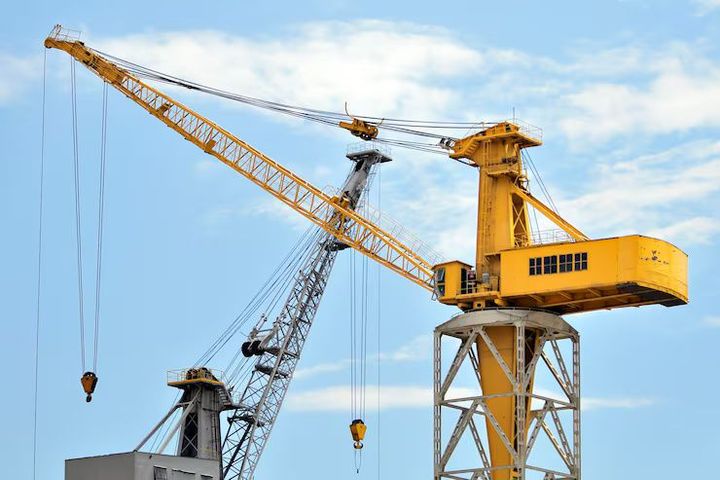
Crane and hoist safety refers to the practices, guidelines, and controls used to reduce risks during lifting operations. Cranes and hoists are mechanical systems designed to lift, lower, and move heavy loads that cannot be handled manually. They are widely used in construction, manufacturing, shipping, warehousing, and energy industries.
Lifting operations involve heavy loads, complex equipment, and coordinated teamwork. Without proper safety measures, these activities can result in equipment failure, dropped loads, or serious injury.
Crane and hoist safety focuses on managing these risks through structured planning, hazard identification, and controlled execution. This approach ensures that lifting tasks are carried out in a predictable and safe manner.
It is a critical part of construction, manufacturing, and logistics operations.
Importance of Lifting Risk Management
Lifting risk management is essential because cranes and hoists operate in dynamic and often high-risk environments. It helps maintain safety, coordination, and efficiency.
Key Reasons This Topic Matters
- Ensures safe handling of heavy and suspended loads
- Supports coordination between operators and ground teams
- Reduces risk of equipment failure and accidents
- Maintains consistency in safety practices
These factors are vital in complex industrial and construction settings.
Problems Lifting Risk Management Helps Address
- Unstable or shifting loads
- Equipment overloading
- Poor communication during operations
- Environmental risks such as wind or uneven ground
Understanding these risks improves operational safety.
Recent Updates in Crane and Hoist Safety
Recent developments highlight the use of technology and improved safety practices. In 2024, digital tools became more widely used for lift planning and risk assessment.
Key Updates (2024–2025)
- Adoption of digital lift planning software
- Increased use of load monitoring and anti-collision systems
- Updated safety guidance for complex lifting operations
- Greater focus on competency-based training
- Use of incident data to improve safety procedures
These updates reflect a proactive approach to risk management.
Laws and Policies Affecting Lifting Operations
Crane and hoist safety is governed by regulations designed to protect workers and the public. These laws establish minimum safety requirements and operational standards.
Key Regulatory Areas
- Operator training and certification
- Equipment inspection and maintenance
- Load capacity and rating limits
- Worksite hazard control and supervision
These frameworks ensure consistent and safe lifting practices.
Tools and Resources for Safe Lifting
Various tools support planning, monitoring, and reviewing lifting operations. These resources help standardize safety procedures.
Helpful Resources
- Lift planning documents
- Risk assessment checklists
- Load calculation references
- Equipment inspection logs
- Communication and signaling guides
These tools improve coordination and reduce risk.
Key Risk Management Elements
Effective lifting safety involves multiple risk management components working together.
| Risk Area | Purpose in Safety |
|---|---|
| Load Assessment | Confirms weight and stability |
| Equipment Inspection | Detects faults and wear |
| Communication | Coordinates teams |
| Environmental Checks | Evaluates site conditions |
| Exclusion Zones | Protects workers from hazards |
These elements form the foundation of safe lifting operations.
Identifying Hazards in Lifting Operations
Hazard identification is the first step in managing lifting risks. Before any operation begins, teams assess the load, equipment, and environment.
Common Hazards
- Unknown load weight or imbalance
- Weak or unstable ground conditions
- Overhead obstructions
- Limited visibility or restricted movement
Early identification allows for better planning and control.
Controlling Risks in Lifting Activities
Once hazards are identified, control measures are applied to reduce risk. These measures combine equipment selection, procedures, and supervision.
Common Control Measures
- Using equipment with appropriate capacity
- Selecting certified lifting accessories
- Establishing clear communication systems
- Assigning supervision for complex lifts
Risk control requires continuous attention throughout the operation.
Monitoring and Reviewing Lifting Operations
Monitoring ensures that safety measures remain effective during lifting. Operators and supervisors observe load movement, equipment performance, and worker positioning.
After the operation, reviews help identify lessons learned and improve future safety practices. This process supports continuous improvement.
FAQs: Common Questions About Crane and Hoist Safety
What is lifting risk management?
It is the process of identifying and controlling hazards in lifting operations.
Why are exclusion zones important?
They prevent people from entering areas where loads could fall or swing.
Do all lifts require planning?
Simple lifts may require basic checks, while complex lifts need detailed plans.
How often should equipment be inspected?
Inspection frequency depends on usage and regulatory requirements.
Does technology replace human judgment?
No. Technology supports decision-making, but trained operators remain essential.
Conclusion
Crane and hoist safety is built on structured risk management practices that ensure lifting operations are carried out safely and efficiently. It involves planning, monitoring, and continuous improvement.
Recent advancements in technology and training have strengthened safety practices, while regulations continue to define operational standards.
Understanding these principles helps create safer working environments and reduces risks in complex lifting operations.