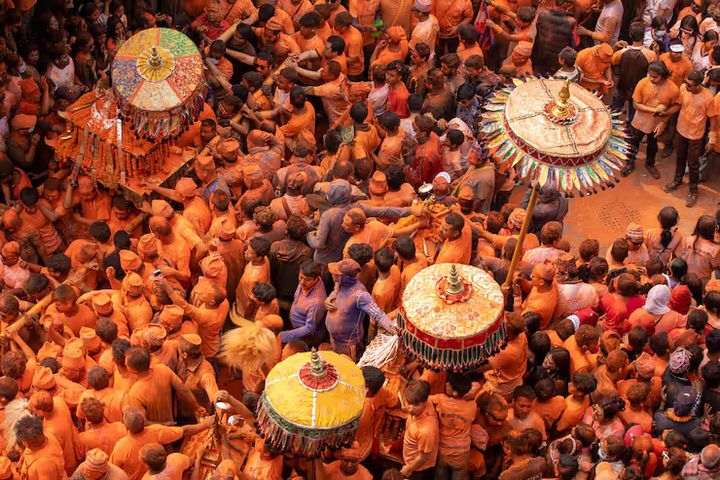
Cultural Festivals: A Complete Guide to Traditions and Celebrations
Cultural festivals are organized events that reflect the traditions and celebrations of a community, region, or country. These festivals often combine rituals, art, music, food, and social gatherings to mark important moments such as seasonal changes, religious observances, or historical milestones. Across the world, cultural festivals serve as a way for people to express shared values and preserve collective identity.
The origins of cultural festivals can be traced back to ancient societies where communities gathered to honor natural cycles like harvests or to recognize spiritual beliefs. Over time, these gatherings evolved into structured events with established customs and symbolic practices. Today, cultural festivals vary widely in scale, from small local events to internationally recognized celebrations.
Traditions and celebrations play a central role in these festivals. For example, some involve processions, dances, or storytelling, while others focus on food preparation or artistic displays. Although the form may differ, the underlying purpose remains consistent: to connect individuals with their heritage and with one another.
Importance
Cultural festivals remain relevant because they provide a sense of belonging and continuity in a rapidly changing world. For many communities, these events help preserve languages, crafts, and rituals that might otherwise fade over time. By participating in traditions and celebrations, individuals gain a deeper understanding of their cultural background.
These festivals also foster social cohesion. People from different age groups and backgrounds come together, creating opportunities for interaction and shared experiences. This can strengthen community bonds and encourage mutual respect.
From a broader perspective, cultural festivals contribute to cultural exchange. Visitors and participants can learn about unfamiliar customs, which promotes awareness and reduces misunderstandings between cultures. This is particularly important in multicultural societies where diverse traditions coexist.
Additionally, festivals often support local economies through activities related to food, crafts, and performances. While not their primary purpose, these aspects can help sustain traditional practices and livelihoods connected to cultural heritage.
Recent Updates
In recent years, cultural festivals have adapted to changing global conditions and technological developments. One noticeable trend is the integration of digital elements. Many festivals now include live streaming or virtual participation options, allowing people from different regions to engage with traditions and celebrations remotely.
Sustainability has also become an important focus. Organizers are increasingly adopting practices that reduce environmental impact, such as minimizing waste, encouraging reusable materials, and promoting local sourcing of festival resources.
Another development is the emphasis on inclusivity. Cultural festivals are evolving to ensure broader participation, including accessibility for people with disabilities and representation of diverse community groups. This shift reflects a growing awareness of social equity in public events.
Urbanization has influenced how festivals are organized as well. In cities, traditional events are often adapted to fit modern spaces while still maintaining their core cultural elements. This balance between tradition and innovation continues to shape the future of cultural festivals.
Laws or Policies
Cultural festivals are often guided by local and national regulations to ensure public safety and cultural preservation. These rules can vary depending on the country but generally cover areas such as crowd management, health standards, and environmental protection.
In some regions, governments recognize certain festivals as part of intangible cultural heritage. This designation may provide support for preserving traditions and celebrations, including funding for cultural programs or educational initiatives.
Permits are commonly required for organizing large festivals, especially those held in public spaces. These permits may address factors such as noise levels, traffic control, and emergency preparedness. Organizers must follow these guidelines to ensure that events run smoothly and safely.
In countries like India, cultural festivals are also influenced by regional authorities and cultural ministries. These bodies may establish frameworks to protect traditional art forms and ensure that festivals remain respectful of their historical and cultural significance.
Tools and Resources
Various tools and resources can help individuals and communities understand and organize cultural festivals more effectively. These include:
- Digital archives and cultural databases, which document traditions and celebrations from different regions.
- Event planning templates, which outline steps for organizing festivals, including scheduling, logistics, and coordination.
- Educational platforms, which provide information about the history and meaning of cultural festivals.
- Mapping tools, which help locate festivals around the world and understand their geographic context.
Below is a simple table showing examples of cultural festivals and their key features:
| Festival Name | Region/Country | Main Focus | Key Traditions and Celebrations |
|---|---|---|---|
| Diwali | India | Festival of lights | Lighting lamps, family gatherings |
| Carnival | Brazil | Pre-Lenten celebration | Parades, costumes, music |
| Oktoberfest | Germany | Cultural gathering | Traditional attire, food, music |
| Chinese New Year | China | Lunar new year celebration | Dragon dances, fireworks, family meals |
| Day of the Dead | Mexico | Honoring ancestors | Altars, offerings, symbolic decorations |
These resources can support both learning and participation, making cultural festivals more accessible to a wider audience.
FAQs
What are cultural festivals and why are they important?
Cultural festivals are events that showcase traditions and celebrations of a community. They are important because they preserve cultural heritage, promote social interaction, and encourage understanding between different groups.
How do traditions and celebrations differ across cultural festivals?
Traditions and celebrations vary based on history, religion, and geography. Some festivals focus on rituals and ceremonies, while others emphasize music, dance, or food, reflecting the unique identity of each culture.
Are cultural festivals only religious in nature?
No, cultural festivals can be religious, seasonal, or historical. While some are linked to spiritual beliefs, others celebrate harvests, national events, or community milestones.
How have cultural festivals changed in recent years?
Cultural festivals have incorporated digital participation, sustainability practices, and inclusive approaches. These changes help maintain relevance while preserving traditional elements.
Where can people learn more about global traditions and celebrations?
People can explore educational websites, cultural institutions, and digital archives that document festivals worldwide. These resources provide detailed insights into various traditions and celebrations.
Conclusion
Cultural festivals represent a meaningful connection between past and present, combining traditions and celebrations that reflect shared values. They play an important role in preserving heritage, fostering community bonds, and encouraging cultural understanding. As societies evolve, these festivals continue to adapt while maintaining their core significance. Their ongoing relevance highlights the importance of cultural expression in everyday life.