Custom Cable Assembly Manufacturers Overview: Processes, Standards, and Applications
Custom cable assembly manufacturers play an important role in modern electrical and electronic systems.
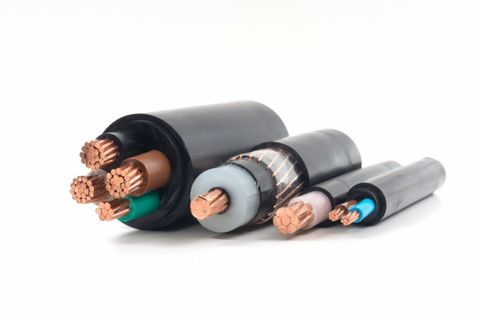
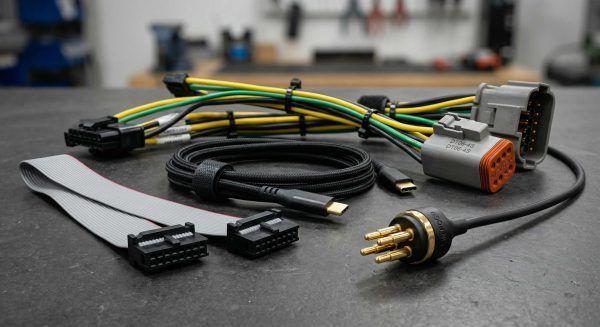
These manufacturers produce organized cable and wire configurations designed to connect components, transmit power, and transfer data within equipment and machinery. Cable assemblies can range from simple wire bundles to highly specialized configurations used in industrial, transportation, telecommunications, and medical environments.
The concept of cable assembly emerged as electrical systems became more complex. Instead of connecting individual wires separately, engineers began grouping wires and cables into organized assemblies. This approach improved reliability, simplified installation, and reduced the risk of wiring errors.
Today, cable assembly manufacturers and custom wire harness manufacturers support a wide variety of industries. Their work contributes to the development of industrial machinery, consumer electronics, vehicles, communication systems, and automated production equipment. As technology advances, the demand for organized and efficient connectivity solutions continues to grow.
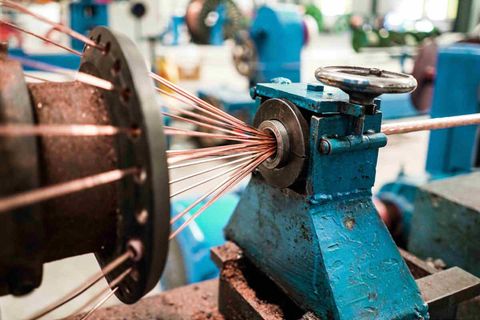
Electrical cable assembly services typically involve designing, cutting, stripping, crimping, soldering, labeling, and testing cables according to specific technical requirements. These processes help ensure that electronic cable assemblies function correctly within their intended applications.
Understanding Cable Assemblies and Wire Harnesses
Although the terms are often used interchangeably, cable assemblies and wire harnesses have slight differences.
- Cable assembly refers to a group of cables organized into a single unit, often protected by sleeves, jackets, or insulation.
- Wire harness refers to a structured arrangement of wires bundled together to simplify electrical connections.
- Custom electrical harness assembly projects are typically designed to match specific equipment requirements.
- Industrial wire harness manufacturing focuses on applications involving machinery, automation systems, and industrial equipment.
Typical Manufacturing Process
Cable harness manufacturing generally follows several key stages:
| Process Stage | Purpose |
|---|---|
| Design and Planning | Defines specifications and layout |
| Material Selection | Chooses wires, connectors, and insulation |
| Cutting and Stripping | Prepares wires for assembly |
| Crimping and Termination | Attaches connectors and terminals |
| Assembly and Bundling | Organizes wires into the required configuration |
| Inspection and Testing | Verifies performance and quality |
| Documentation | Records specifications and test results |
Each stage contributes to the overall functionality and durability of the finished assembly.
Importance
Modern industries rely heavily on organized electrical connections. Without properly designed cable assemblies, equipment performance, safety, and maintenance can become more challenging.
Industrial cable assembly solutions help manage increasingly complex systems. Manufacturing facilities, transportation networks, energy infrastructure, and communication equipment all depend on reliable connectivity. Well-structured cable assemblies can reduce clutter, improve maintenance accessibility, and support efficient system operation.
Supporting Industrial Automation
Automation systems often contain numerous sensors, controllers, motors, and communication devices. Custom wiring harness suppliers help organize these connections, making installation and maintenance more manageable.
As factories adopt advanced automation technologies, the need for structured wiring systems continues to increase. Cable assemblies help maintain consistent communication between interconnected devices.
Enhancing Equipment Reliability
Electronic cable assemblies are designed to withstand environmental conditions such as vibration, temperature variation, moisture, and mechanical stress. Proper cable organization can reduce wear and minimize the likelihood of connection-related issues.
Industries that commonly utilize cable assemblies include:
- Manufacturing and automation
- Telecommunications
- Transportation and rail systems
- Renewable energy projects
- Aerospace applications
- Medical equipment
- Consumer electronics
Simplifying Maintenance
Organized wiring systems make it easier for technicians to identify connections and perform troubleshooting. Proper labeling and documentation can reduce downtime during maintenance activities.
For complex machinery, industrial connectivity solutions contribute to efficient diagnostics and system management.
Recent Updates
The cable assembly industry continues to evolve as technology and manufacturing practices advance. Several trends have influenced custom cable assembly manufacturers in recent years.
Increased Automation in Production
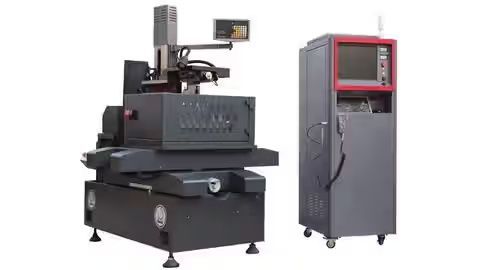
Manufacturing facilities increasingly use automated cutting, stripping, crimping, and testing equipment. Automation can improve consistency and support higher production efficiency while reducing manual handling.
Automated inspection systems are also becoming more common, helping manufacturers verify assembly quality throughout the production process.
Growth of Smart Manufacturing
Smart manufacturing environments rely on interconnected devices that exchange information continuously. This trend has increased demand for industrial cable assembly solutions capable of supporting both power transmission and data communication.
Industrial networks now often require specialized cable configurations designed for modern communication protocols and automated equipment.
Focus on Miniaturization
Electronic devices continue to become smaller and more compact. As a result, custom wire harness manufacturers increasingly work with smaller components and more complex cable routing requirements.
Miniaturized assemblies are frequently used in:
- Portable electronics
- Medical instruments
- Communication equipment
- Robotics systems
Sustainability Considerations
Environmental considerations are influencing material selection and manufacturing practices. Some organizations are evaluating recyclable materials, reducing production waste, and improving resource efficiency throughout cable harness manufacturing operations.
Advanced Testing Methods
Modern testing technologies provide more comprehensive verification of electrical performance. Testing may include:
- Continuity verification
- Insulation resistance testing
- High-voltage testing
- Signal integrity evaluation
- Mechanical durability assessment
These methods help identify potential issues before assemblies are integrated into larger systems.
Laws or Policies
Cable assembly manufacturing is influenced by various standards, regulations, and industry requirements. These guidelines help promote safety, quality, and compatibility across industries.
Electrical Safety Standards
Many countries maintain electrical safety regulations that affect cable and wiring products. Compliance requirements may vary depending on the intended application and industry sector.
Common areas of regulation include:
- Electrical insulation
- Fire resistance
- Material safety
- Electromagnetic compatibility
- Product labeling
Environmental Regulations
Environmental policies may influence the materials used in cable assemblies. Regulations often address the use of hazardous substances and encourage environmentally responsible manufacturing practices.
Manufacturers may need to verify that components meet applicable environmental requirements before integration into final assemblies.
Industry-Specific Requirements
Certain sectors maintain additional standards due to operational demands.
Examples include:
| Industry | Typical Focus Areas |
| Aerospace | Reliability and environmental performance |
| Medical Devices | Safety and traceability |
| Automotive | Durability and vibration resistance |
| Industrial Equipment | Electrical and mechanical reliability |
| Telecommunications | Signal quality and performance |
Requirements vary by region and application, making compliance an important aspect of custom electrical harness assembly projects.
Quality Management Systems
Many cable assembly manufacturers operate under structured quality management frameworks. These systems establish procedures for documentation, process control, inspection, and continuous improvement.
Quality systems help maintain consistency across production activities and support traceability throughout the manufacturing process.
Tools and Resources
Various tools and resources assist engineers, technicians, and organizations involved in cable assembly design and implementation.
Computer-Aided Design Software
Design software helps create wiring diagrams, routing plans, and assembly layouts. These tools allow engineers to visualize cable paths and identify potential design issues before production begins.
Electrical Calculation Tools
Electrical calculators can assist with:
- Wire sizing
- Voltage drop estimation
- Current capacity calculations
- Connector selection
- Circuit planning
These tools help ensure that assemblies meet operational requirements.
Standards Organizations
Industry standards organizations publish technical guidelines that support design, testing, and manufacturing activities. These documents provide reference information for quality, safety, and performance requirements.
Documentation Templates
Technical documentation is an important part of cable harness manufacturing. Common documentation resources include:
- Wiring diagrams
- Assembly instructions
- Inspection checklists
- Test reports
- Material specifications
Accurate documentation supports maintenance, troubleshooting, and future modifications.
Testing Equipment
Testing equipment commonly used in cable assembly environments includes:
- Continuity testers
- Multimeters
- Insulation testers
- Network analyzers
- Cable certification devices
These instruments help verify assembly performance and compliance with technical specifications.
FAQs
What do custom cable assembly manufacturers do?
Custom cable assembly manufacturers create cable configurations designed for specific equipment, systems, or applications. Their work includes design preparation, wire processing, assembly, testing, and documentation.
How are cable assembly manufacturers different from custom wire harness manufacturers?
Cable assembly manufacturers typically focus on grouped cables protected by external coverings, while custom wire harness manufacturers organize multiple wires into structured bundles. Both support electrical connectivity, but the assembly methods may differ depending on the application.
Where are industrial cable assembly products commonly used?
Industrial cable assembly products are commonly used in manufacturing equipment, automation systems, transportation infrastructure, telecommunications networks, renewable energy installations, and medical devices.
What is involved in cable harness manufacturing?
Cable harness manufacturing generally includes design planning, material selection, wire preparation, connector attachment, assembly, inspection, testing, and documentation. Each step contributes to overall performance and reliability.
Why are industrial connectivity solutions important?
Industrial connectivity solutions help ensure reliable communication and power transmission between equipment components. Organized cable systems can improve maintenance efficiency and support the operation of complex industrial environments.
Conclusion
Custom cable assembly manufacturers contribute to the development of organized electrical and communication systems used across many industries. Through cable harness manufacturing and custom electrical harness assembly processes, they help create structured connections that support equipment functionality and maintenance. Industry standards, quality requirements, and evolving technologies continue to shape manufacturing practices. As automation, digitalization, and advanced electronics expand, the importance of reliable industrial connectivity solutions remains significant.