Discover Advanced Imaging Techniques: A Complete Guide to Microscopy Power
Advanced imaging techniques have transformed the way people observe and understand the microscopic world. Microscopy, the science of using instruments to view objects too small for the naked eye, has evolved significantly from early optical lenses to modern digital systems. Today, microscopy power refers not only to magnification but also to the ability to reveal structure, composition, and behavior at very small scales.
These techniques rely on different forms of energy, such as visible light, electrons, or scanning probes, to create images. Each approach provides unique insights depending on the material being studied. From observing cells in biology to analyzing materials in engineering, advanced imaging techniques help bridge the gap between what is visible and what is hidden.
Understanding microscopy is no longer limited to scientists. With growing interest in science education and innovation, many people encounter microscopy concepts in schools, healthcare settings, and even consumer technology.
Importance
Advanced imaging techniques play a key role in addressing real-world challenges. They help researchers study diseases, engineers design stronger materials, and environmental experts analyze pollutants. These applications directly influence everyday life, even if the processes remain behind the scenes.
In healthcare, microscopy supports diagnosis by allowing professionals to examine tissues, blood samples, and microorganisms. In environmental studies, imaging tools help detect contaminants and monitor ecosystems. In manufacturing, they assist in quality control by identifying defects at a microscopic level.
For the general public, the importance of microscopy lies in its indirect impact. It contributes to safer products, improved medical understanding, and better environmental monitoring. As technology becomes more accessible, educational institutions also use advanced imaging techniques to make science learning more interactive and engaging.
Recent Updates
Recent years have seen steady progress in microscopy power and imaging capabilities. One major trend is the integration of digital technology with traditional microscopes. Digital imaging systems now allow users to capture, store, and analyze images with greater precision.
Another development is the use of artificial intelligence to enhance image interpretation. AI tools can assist in identifying patterns in microscopic images, which is especially useful in medical diagnostics and research. These systems help process large volumes of data more efficiently.
There is also growing interest in portable and compact microscopy devices. These tools are designed for field use, making it easier to conduct analysis outside traditional laboratory environments. Additionally, improvements in resolution and contrast continue to expand what can be observed, particularly at the nanoscale.
Laws or Policies
Microscopy and imaging technologies are influenced by various regulations, especially when used in healthcare, research, and environmental monitoring. In many countries, including India, laboratories and medical institutions must follow guidelines set by health authorities to ensure accurate and safe use of imaging equipment.
Regulations often focus on areas such as equipment calibration, data handling, and ethical research practices. For example, medical laboratories are expected to maintain standardized procedures when using microscopy for diagnostic purposes. This helps ensure consistent and reliable results.
In research settings, policies may address the ethical use of imaging in studies involving biological samples. Environmental regulations may also require specific imaging methods for monitoring pollution or analyzing samples. These frameworks aim to maintain quality, safety, and transparency in the use of advanced imaging techniques.
Tools and Resources
A variety of tools and resources support the use and understanding of microscopy. These range from physical instruments to digital platforms that assist with analysis and learning.
Common microscopy tools include:
- Optical microscopes, used for general observation of cells and tissues
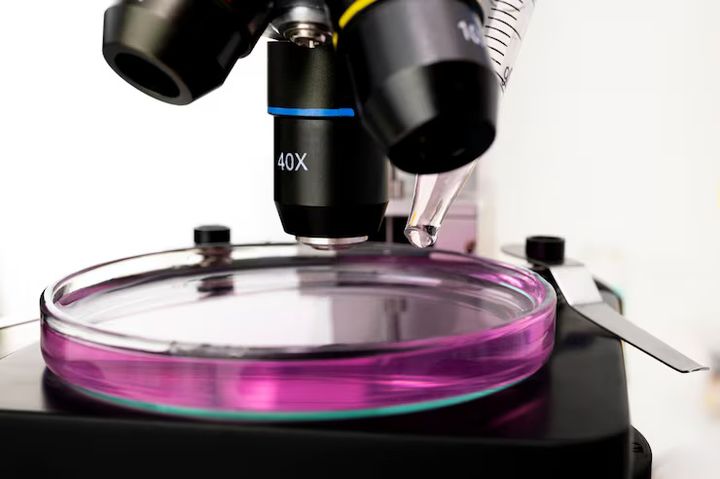
- Electron microscopes, capable of high-resolution imaging at very small scales
- Scanning probe microscopes, used to examine surface structures at the atomic level
Digital resources also play an important role. Image analysis software helps users measure, enhance, and interpret microscopic images. Online databases provide access to reference images and research findings, which can be useful for comparison and study.
Educational platforms offer tutorials, simulations, and guides that explain microscopy concepts in simple terms. These resources help learners understand how different imaging techniques work and how to interpret results.
Comparison of Common Microscopy Techniques
| Technique Type | Energy Source | Typical Use Case | Resolution Level |
|---|---|---|---|
| Optical Microscopy | Visible light | Cells, tissues, basic structures | Moderate |
| Electron Microscopy | Electron beams | Nanomaterials, viruses | Very high |
| Fluorescence Microscopy | Light with dyes | Specific cell components | High |
| Scanning Probe Microscopy | Physical probes | Surface analysis at atomic scale | Extremely high |
This table highlights how different advanced imaging techniques serve distinct purposes based on their capabilities.
FAQs
What are advanced imaging techniques in microscopy?
Advanced imaging techniques refer to modern methods used to observe microscopic structures with improved clarity and detail. These include optical, electron, and scanning probe microscopy, each designed for specific applications.
How does microscopy power affect image quality?
Microscopy power involves both magnification and resolution. While magnification enlarges an image, resolution determines how clearly details can be distinguished. Higher resolution generally leads to more detailed and useful images.
What is the difference between optical and electron microscopy?
Optical microscopy uses visible light and is suitable for observing living cells and tissues. Electron microscopy uses electron beams and provides much higher resolution, allowing visualization of much smaller structures.
Can advanced imaging techniques be used outside laboratories?
Yes, some modern microscopy tools are designed for portability. These devices are used in fieldwork, education, and environmental monitoring, making advanced imaging techniques more accessible in different settings.
Why is electromagnetic spectrum measurement important in microscopy?
Electromagnetic spectrum measurement helps determine how different wavelengths interact with samples. This is important for techniques like fluorescence microscopy, where specific wavelengths are used to highlight particular structures.
Conclusion
Advanced imaging techniques have expanded the capabilities of microscopy far beyond simple magnification. By using different forms of energy and digital tools, these methods reveal detailed insights into the microscopic world. Their applications span healthcare, environmental science, and industry, influencing many aspects of daily life. As technology continues to develop, microscopy power is expected to provide even deeper understanding of complex structures and processes.