Discover Home Theater Systems Features for Modern Living Spaces and Entertainment
Home entertainment has evolved significantly over the past decade, with advances in display technology, audio systems, and smart home integration transforming how people enjoy movies, music, gaming, and live events.
Today, home theater systems are no longer limited to dedicated media rooms. Many homeowners successfully integrate entertainment technology into living rooms, family rooms, apartments, and multi-purpose spaces without sacrificing comfort or design.
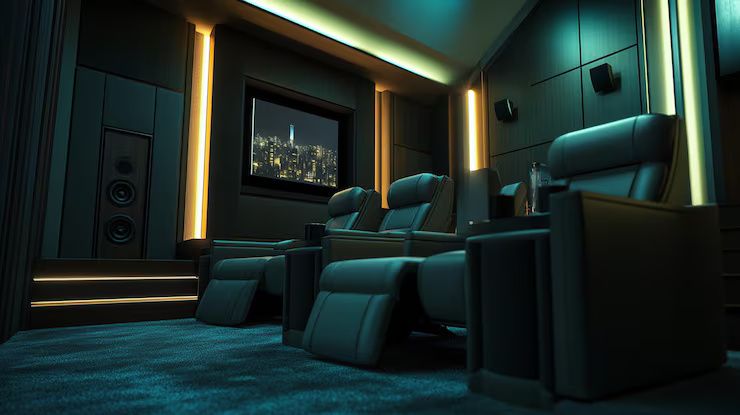
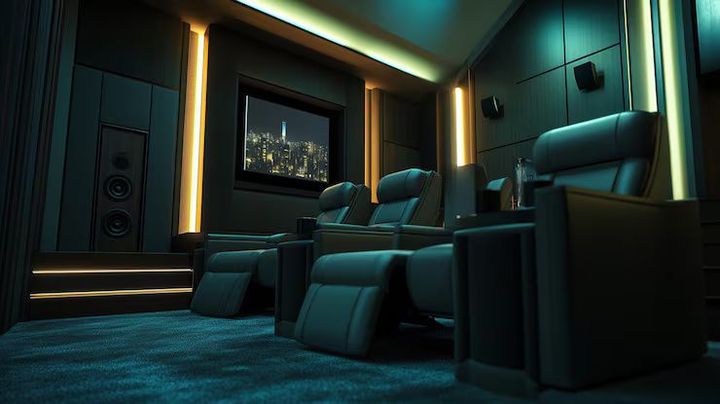
A modern home cinema system combines high-quality visuals, immersive sound, intelligent controls, and thoughtful room planning to create an engaging viewing experience. Whether designed for movie nights, sports broadcasts, gaming, or streaming content, the right setup focuses on balancing performance, functionality, and everyday usability.
This guide explains the fundamentals of home theater systems, explores their key components, discusses room planning, and highlights current trends that are shaping modern entertainment spaces.
What Are Home Theater Systems?
Home theater systems are integrated audio and visual setups designed to recreate an immersive entertainment experience within a residential environment. Unlike a standard television and basic speakers, these systems combine multiple technologies to deliver enhanced picture quality, realistic sound, and convenient control.
A typical system may include:
- Display device
- Audio speakers
- Audio-video receiver
- Streaming devices
- Smart controls
- Seating arrangements
- Lighting solutions
- Acoustic enhancements
The goal is to create a balanced environment where both sound and visuals complement one another for an enjoyable viewing experience.
Why Home Theater Systems Continue to Grow in Popularity
The increasing availability of high-definition content, streaming platforms, and smart home technology has encouraged more households to invest in improved entertainment spaces.
Modern home theater systems offer several advantages:
- More immersive viewing experiences
- Better sound quality
- Comfortable home entertainment
- Flexible room integration
- Multi-device connectivity
- Support for gaming and streaming
- Personalized viewing environments
Rather than replacing traditional living rooms, many home theaters now serve as multi-functional spaces that accommodate everyday family activities.
Main Components of a Home Cinema System
A complete home cinema system consists of several interconnected components that work together to provide high-quality entertainment.
Display Technology
The display is the visual centerpiece of any home theater.
Options commonly include:
- Large-screen televisions
- Projectors
- Projection screens
Selection often depends on room size, lighting conditions, and viewing distance.
Surround Sound System
A surround sound system creates a more realistic audio environment by distributing sound through multiple speakers positioned around the room.
Instead of audio coming from a single location, viewers experience sound from different directions, helping create greater immersion during movies, concerts, and games.
Common speaker configurations include front, center, side, rear, and subwoofer channels.
Audio-Video Receiver
The receiver acts as the control center for the home theater.
It manages communication between:
- Display devices
- Speakers
- Streaming equipment
- Gaming consoles
- Media players
Modern receivers also support advanced audio processing and multiple connection options.
Media Sources
Entertainment content may come from various devices, including:
- Streaming platforms
- Blu-ray players
- Gaming consoles
- Digital media servers
- Satellite or cable receivers
The flexibility to switch easily between sources contributes to a seamless entertainment experience.
Understanding Surround Sound Systems
One of the defining features of a home cinema system is its surround sound capability.
Unlike standard stereo audio, surround sound systems position speakers throughout the room to create a three-dimensional listening experience.
Benefits include:
- Greater audio realism
- Improved dialogue clarity
- Enhanced environmental effects
- Better directional awareness
- More immersive movie experiences
Proper speaker placement often has as much impact as speaker quality, making room planning an important part of system design.
Custom Home Theater Design
A custom home theater is designed around the unique dimensions, layout, and intended use of a specific room.
Instead of following a standard configuration, custom installations consider factors such as:
- Room size
- Seating arrangements
- Lighting conditions
- Acoustic performance
- Cable management
- Furniture placement
- Viewing angles
- Interior design
This personalized approach helps maximize both comfort and entertainment quality while maintaining the overall appearance of the living space.
Smart Home Theater Technology
Today's smart home theater systems integrate entertainment with broader home automation platforms.
Common smart features include:
- Voice control
- Smartphone operation
- Automated lighting
- Smart climate control
- Wireless streaming
- Scheduled entertainment modes
- Multi-room audio
- Remote system monitoring
These technologies simplify daily operation while allowing users to manage multiple devices through a single interface.
Comparing Core Home Theater Components
| Component | Primary Function | Benefit |
|---|---|---|
| Display | Video presentation | Clear, detailed visuals |
| Surround Sound System | Multi-directional audio | Immersive listening experience |
| Audio-Video Receiver | System management | Centralized device control |
| Streaming Devices | Digital content access | Flexible entertainment options |
| Smart Controls | Automation | Convenient operation |
Each component contributes to creating a balanced and enjoyable entertainment environment.
Planning a Home Theater Room
Successful home theater design involves more than selecting equipment.
Several environmental factors influence overall performance.
Room Size
The size of the room affects display selection, speaker placement, and seating arrangements.
Larger rooms may benefit from larger displays or projection systems, while smaller rooms often achieve excellent results with carefully planned television installations.
Lighting Control
Managing natural and artificial lighting improves viewing comfort.
Common strategies include:
- Adjustable window coverings
- Dimmable lighting
- Indirect ambient lighting
- Controlled screen reflections
Lighting should support both entertainment and everyday room use.
Seating Layout
Comfortable seating positioned at appropriate viewing distances enhances long-term enjoyment.
Viewing angles should allow every seat to experience clear visuals and balanced sound.
Acoustic Considerations
Room surfaces influence sound quality.
Soft furnishings, rugs, curtains, and acoustic treatments help reduce unwanted reflections and improve dialogue clarity.
Connectivity in Modern Home Theater Systems
Modern entertainment systems support numerous wired and wireless connections.
Typical connectivity options include:
- HDMI connections
- Wireless networking
- Bluetooth audio
- Wi-Fi streaming
- Smart device integration
- Voice assistants
- Multi-room networking
These technologies allow users to connect multiple entertainment devices while maintaining organized system management.
Energy Efficiency and Home Entertainment
Many modern home theater components are designed with energy efficiency in mind.
Features that support responsible energy use include:
- Automatic standby modes
- Smart power management
- LED display technology
- Efficient audio amplifiers
- Programmable operating schedules
These features help reduce unnecessary energy consumption without affecting user experience.
Common Mistakes to Avoid
Planning helps prevent several common home theater design issues.
Oversized Displays for Small Rooms
Displays should match viewing distance to provide comfortable long-term viewing.
Poor Speaker Placement
Incorrect speaker positioning can reduce surround sound effectiveness regardless of equipment quality.
Ignoring Room Acoustics
Sound reflections from hard surfaces may reduce dialogue clarity and overall listening quality.
Insufficient Cable Planning
Organized cable management improves appearance, safety, and future maintenance.
Limited Future Expansion
Planning for additional devices or technology upgrades helps extend the lifespan of the entertainment system.
Home Theater Trends
Entertainment technology continues to evolve rapidly.
Current trends include:
- Smart home theater integration
- Wireless surround sound systems
- Voice-controlled entertainment
- Ultra-high-definition displays
- Immersive audio technologies
- Minimalist equipment designs
- Hidden speaker installations
- Multi-purpose entertainment rooms
- Energy-efficient electronics
Rather than focusing solely on larger screens, modern systems increasingly emphasize convenience, flexibility, and seamless integration with everyday living spaces.
Choosing the Right Home Theater Approach
The ideal home theater depends on individual needs rather than a single universal design.
Important considerations include:
- Available room space
- Viewing habits
- Household size
- Audio preferences
- Smart home compatibility
- Future expansion possibilities
- Ease of operation
A balanced approach often delivers a more enjoyable experience than simply selecting the largest or most advanced equipment.
Frequently Asked Questions
What is a home theater system?
A home theater system is a combination of audio and visual equipment designed to create an immersive entertainment experience for movies, television, gaming, music, and streaming content.
What is the purpose of a surround sound system?
A surround sound system distributes audio through multiple speakers positioned around the room, creating more realistic and immersive sound compared to standard stereo speakers.
What makes a custom home theater different?
A custom home theater is designed specifically for a room's size, layout, lighting, acoustics, and viewing preferences rather than using a standard equipment arrangement.
How does a smart home theater improve convenience?
A smart home theater allows users to control entertainment devices, lighting, audio, and other connected systems using smartphones, voice assistants, or centralized automation platforms.
Can a home cinema system work in a regular living room?
Yes. Many modern home cinema systems are designed for living rooms and multi-purpose spaces, allowing homeowners to enjoy immersive entertainment without requiring a dedicated theater room.
Conclusion
Home theater systems have become an important part of modern living by combining high-quality visuals, immersive audio, smart technology, and thoughtful room design into a unified entertainment experience. Whether creating a compact living room setup or a fully customized home cinema system, successful planning focuses on balancing performance, comfort, and everyday functionality.
By understanding the role of display technology, surround sound systems, smart home theater features, and room acoustics, homeowners can create entertainment spaces that support movies, music, gaming, and family gatherings for years to come. As technology continues to evolve, home theaters will become even more connected, efficient, and adaptable, making them a valuable addition to modern homes and lifestyles.