Discover Plasma Surface Treatment Machine Features and Working Process
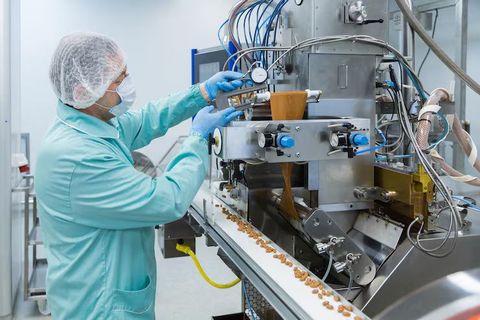
Plasma surface treatment machines are widely used in modern manufacturing to improve the surface properties of different materials before bonding, coating, printing, or painting. These machines use plasma energy to clean and activate surfaces without changing the core structure of the material. As industries continue to adopt advanced production methods, plasma treatment has become an important part of many manufacturing processes.
The demand for better product quality and stronger material adhesion has increased the use of plasma surface treatment technology across industries such as automotive, electronics, medical devices, packaging, and aerospace. Understanding the features and working process of a plasma surface treatment machine helps manufacturers, engineers, students, and researchers learn how this technology supports reliable production.
Context – What Is a Plasma Surface Treatment Machine?
A plasma surface treatment machine is industrial equipment that uses ionized gas, known as plasma, to modify the outer surface of a material. The treatment removes microscopic contaminants, increases surface energy, and prepares materials for processes such as adhesive bonding, printing, coating, and sealing.
Plasma is often called the fourth state of matter because it contains charged particles including ions and electrons. During treatment, electrical energy converts gas into plasma, which interacts with the material surface.
Common materials treated include:
- Plastics
- Metals
- Glass
- Rubber
- Ceramics
- Composite materials
The treatment affects only the outer molecular layer, leaving the material's physical dimensions and internal properties unchanged.
Common Features of Plasma Surface Treatment Machines
| Feature | Purpose |
|---|---|
| Non-contact treatment | Reduces physical wear on materials |
| Surface activation | Improves bonding and adhesion |
| Precision control | Supports consistent treatment results |
| Multiple gas compatibility | Uses gases such as air, oxygen, nitrogen, or argon |
| Automated operation | Integrates with manufacturing lines |
| Low-temperature processing | Suitable for heat-sensitive materials |
Importance – Why It Matters and Who It Affects
Surface preparation plays a major role in manufacturing quality. Even tiny amounts of dust, oil, or low surface energy can reduce the strength of adhesives, coatings, or printed graphics.
A plasma surface treatment machine improves surface cleanliness and wettability, allowing materials to bond more effectively. This helps reduce manufacturing defects and improves product consistency.
Industries that commonly use plasma surface treatment include:
- Automotive component manufacturing
- Consumer electronics production
- Medical device manufacturing
- Packaging industries
- Aerospace manufacturing
- Textile and polymer processing
Students studying manufacturing technology and engineering can also benefit from understanding plasma treatment because it combines concepts from physics, materials science, and industrial automation.
Basic Working Process
The working process generally follows these steps:
- The material is placed inside or passes beneath the plasma treatment area.
- Electrical energy ionizes the selected gas.
- Plasma forms and interacts with the material surface.
- Organic contaminants are removed.
- Surface energy increases.
- The treated material moves to bonding, printing, coating, or assembly.
The treatment usually requires only a short processing time depending on the material and production requirements.
Recent Updates – Trends and Developments from 2024–2026
Between 2024 and 2026, plasma surface treatment technology has continued to develop alongside Industry 4.0 and smart manufacturing.
Several important trends include:
- Greater integration with robotic production systems.
- Improved digital monitoring for process consistency.
- Increased use of atmospheric plasma systems that operate without vacuum chambers.
- Enhanced energy efficiency in plasma generators.
- Better compatibility with recyclable and lightweight materials.
- Expanded use in electric vehicle battery manufacturing and electronic component assembly.
- Improved process monitoring using sensors and industrial data analytics.
Manufacturers are also focusing on environmentally conscious production methods by reducing reliance on chemical surface preparation techniques where suitable.
Research continues to improve plasma chemistry for different materials, allowing more precise treatment while maintaining production efficiency.
Laws or Policies – Relevant Rules, Regulations, or Government Policies
Plasma surface treatment machines are generally operated within industrial safety and manufacturing regulations rather than product-specific laws.
Organizations often follow standards related to:
- Workplace electrical safety
- Industrial machine safety
- Occupational health regulations
- Environmental emission requirements
- Equipment maintenance procedures
- Quality management systems
Many manufacturing facilities implement internationally recognized quality management frameworks such as ISO-based systems to maintain production consistency.
Operators should also follow manufacturer operating instructions, electrical safety requirements, and workplace risk assessments before operating plasma equipment.
Government agencies in different countries may regulate:
- Industrial electrical equipment
- Workplace safety practices
- Environmental compliance
- Worker protection standards
Regulations vary by country, industry, and application, so organizations should review the applicable local requirements.
Tools and Resources – Useful Websites, Calculators, Templates, or Platforms
Several educational resources help users understand plasma surface treatment technology and manufacturing processes.
| Resource | Purpose |
|---|---|
| ISO Standards information | Manufacturing and quality standards |
| Occupational safety authority websites | Workplace safety guidance |
| Engineering education platforms | Learning manufacturing principles |
| Material science publications | Surface engineering research |
| Industrial automation platforms | Process automation information |
| Maintenance checklists | Equipment inspection planning |
Useful resources may include:
- Manufacturing engineering textbooks
- Materials science journals
- Industrial automation learning platforms
- Technical documentation from equipment manufacturers
- Academic research databases
- Engineering training institutions
Many engineering software tools can also simulate manufacturing workflows and surface preparation processes during product development.
FAQs
What does a plasma surface treatment machine do?
It cleans and activates the outer surface of materials, improving adhesion before bonding, coating, printing, or sealing.
Which materials can be treated?
Common materials include plastics, metals, rubber, glass, ceramics, and composite materials.
Does plasma treatment damage the material?
No. The treatment mainly affects the outer molecular layer while preserving the material's internal structure when properly applied.
Which industries commonly use plasma surface treatment?
Automotive, electronics, aerospace, medical device manufacturing, packaging, and polymer processing frequently use this technology.
Why is surface activation important?
Higher surface energy improves the ability of adhesives, inks, coatings, and sealants to bond effectively with the material.
Conclusion
Plasma surface treatment machines have become an important technology in modern manufacturing because they improve surface quality without significantly affecting the base material. Their ability to enhance adhesion, cleanliness, and process consistency supports production across many industries.
As manufacturing technologies continue to evolve, plasma treatment systems are becoming more automated, energy efficient, and compatible with advanced production environments. Ongoing research between 2024 and 2026 has expanded their applications in electronics, automotive production, and sustainable manufacturing.
Understanding the features and working process of plasma surface treatment machines helps manufacturers, engineers, students, and researchers appreciate how surface engineering contributes to product quality. Knowledge of safety practices, industry standards, and current technological developments also supports informed decision-making when evaluating manufacturing processes.

You May Also Like