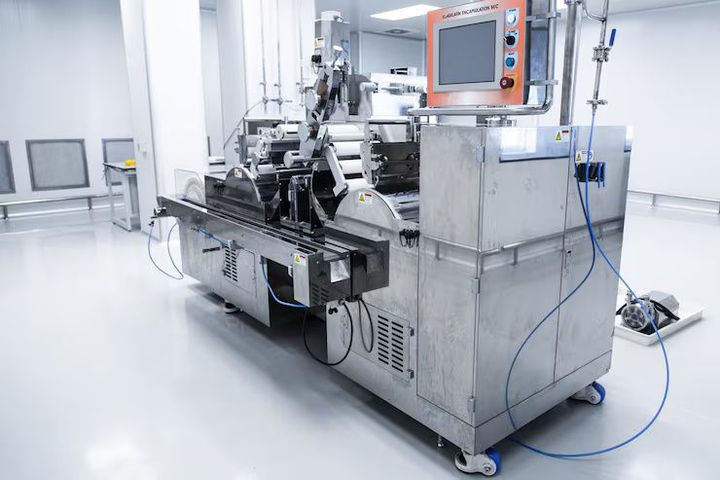
Discover Wire Drawing Machines: Detailed Explanation and Industrial Insights
Wire drawing machines are industrial devices used to reduce the diameter of metal wires by pulling them through a series of dies. This process has been used for centuries, with early forms dating back to manual techniques where metal was drawn through simple tools. Over time, technological advancements have transformed these methods into highly controlled and efficient mechanical systems.
Today, wire drawing machines are widely used in industries that require metal wires of precise thickness and strength. These include construction, electronics, automotive manufacturing, and telecommunications. The machines work with materials such as steel, copper, aluminum, and brass, each requiring specific handling and processing conditions.
The basic principle behind wire drawing is straightforward: a thicker wire is pulled through progressively smaller dies, reducing its diameter while increasing its length. However, the process involves careful control of tension, lubrication, and temperature to ensure the final product meets required standards.
Understanding how wire drawing machines function helps explain their role in modern manufacturing systems and why they remain essential in producing everyday products.
Importance
Wire drawing machines play a significant role in producing materials that are part of daily life. Electrical wiring in homes, cables used in communication systems, and reinforcement wires in construction all rely on this process.
These machines address several key challenges in manufacturing. One major challenge is achieving uniform thickness across long lengths of wire. Consistency is critical in applications like electrical wiring, where uneven thickness can affect conductivity and safety. Wire drawing machines help maintain this uniformity through controlled processes.
Another important aspect is material strength. As metal is drawn through dies, its internal structure changes, often increasing tensile strength. This makes the wire suitable for demanding applications such as suspension systems or industrial cables.
The machines also contribute to efficient material usage. By carefully reducing the diameter without excessive waste, manufacturers can maximize output from raw materials. This is particularly relevant in industries where metal resources must be used responsibly.
In addition, wire drawing machines support scalability. Large-scale production is possible while maintaining quality, which is essential for infrastructure projects and mass manufacturing.
Recent Updates
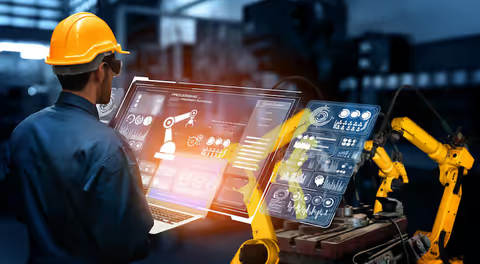
Recent developments in wire drawing machines focus on automation, precision, and energy efficiency. Modern systems often include digital controls that allow operators to monitor and adjust parameters such as speed, tension, and temperature in real time.
One noticeable trend is the integration of smart sensors. These sensors help detect irregularities during the drawing process, such as surface defects or variations in diameter. This improves quality control and reduces material rejection.
Another development involves energy-efficient designs. Manufacturers are increasingly adopting systems that reduce power consumption while maintaining performance. This aligns with broader industrial goals of minimizing environmental impact.
There has also been progress in multi-wire drawing systems. These machines can process several wires simultaneously, increasing productivity without compromising consistency. Such systems are particularly useful in industries requiring large volumes of thin wires.
In addition, improved lubrication techniques have been introduced. Proper lubrication reduces friction between the wire and the die, which extends tool life and improves the surface finish of the wire.
Laws or Policies
The operation and use of wire drawing machines are influenced by industrial safety regulations and environmental policies. These rules vary by country but generally focus on worker safety, equipment standards, and environmental impact.
In India, for example, factories using wire drawing machines must comply with the Factories Act, which outlines safety measures for machinery operation. This includes proper guarding of moving parts, regular maintenance, and training for operators.
Environmental regulations also play a role. The process of wire drawing often involves lubricants and cooling systems, which must be managed to prevent pollution. Guidelines from pollution control authorities regulate the disposal and treatment of industrial waste.
In addition, occupational health standards require measures to reduce exposure to noise and metal particles. Proper ventilation systems and protective equipment are commonly mandated.
International standards, such as those set by ISO, provide guidelines for quality management and machine safety. These standards help ensure that wire drawing machines meet consistent performance and safety benchmarks across different regions.
Tools and Resources
Several tools and resources are used alongside wire drawing machines to support the process and ensure quality outcomes. These tools help in planning, monitoring, and maintaining the equipment.
Common tools include:
- Drawing dies: Specialized components that determine the final diameter of the wire. They are made from materials such as tungsten carbide or diamond for durability.
- Lubrication systems: Reduce friction and heat during the drawing process, improving efficiency and wire quality.
- Tension control devices: Maintain consistent force during drawing to prevent breakage or uneven thickness.
- Measurement instruments: Devices like micrometers and laser gauges are used to check wire diameter and surface quality.
- Cooling systems: Help regulate temperature during operation, especially in high-speed machines.
Digital platforms and software tools are also increasingly used. These systems can track production data, monitor machine performance, and assist in predictive maintenance.
Below is a simple comparison of different types of wire drawing machines:
| Machine Type | Typical Use Case | Key Feature |
|---|---|---|
| Single-block machines | Small-scale production | Simple operation |
| Multi-block machines | Continuous large-scale output | Higher productivity |
| Wet drawing machines | Fine wire production | Uses liquid lubrication |
| Dry drawing machines | General-purpose applications | Uses solid lubricants |
| Continuous machines | Long wire production | Minimal interruptions |
These tools and systems work together to ensure that wire drawing machines operate efficiently and produce consistent results.
FAQs
What are wire drawing machines used for?
Wire drawing machines are used to reduce the diameter of metal wires while increasing their length. They are commonly used in industries such as construction, electronics, and automotive manufacturing.
How do wire drawing machines work?
Wire drawing machines pull a metal wire through one or more dies that gradually decrease in size. This process reduces the wire’s thickness and improves its strength through controlled deformation.
What materials can be processed using wire drawing machines?
Common materials include steel, copper, aluminum, and brass. Each material requires specific conditions such as lubrication and drawing speed to achieve desired results.
What is the difference between wet and dry wire drawing machines?
Wet wire drawing machines use liquid lubricants to reduce friction and improve surface finish, while dry machines rely on solid lubricants. Wet systems are often used for finer wires.
Why are wire drawing machines important in manufacturing?
Wire drawing machines enable the production of wires with precise dimensions and consistent quality. This is essential for applications like electrical wiring and structural reinforcement.
Conclusion
Wire drawing machines are essential tools in modern industry, enabling the production of metal wires with controlled size and strength. Their evolution from manual methods to automated systems reflects ongoing advancements in manufacturing technology. These machines support a wide range of industries by ensuring consistency, efficiency, and scalability. Understanding their function and relevance helps highlight their role in everyday infrastructure and industrial processes.