Diwali Gifts: A Guide to Traditional Presents and Festive Ideas
Diwali gifts are an important part of the Festival of Lights, representing affection, gratitude, prosperity, and the renewal of relationships. Families, friends, colleagues, and business partners exchange presents during this celebration to express appreciation and strengthen personal connections. Common choices include sweets, decorative items, clothing, jewelry, home accessories, wellness products, and personalized keepsakes.
Diwali is celebrated by millions of people around the world, particularly within Hindu, Jain, and Sikh communities, although traditions and meanings vary. Gift-giving often accompanies home decoration, festive meals, family gatherings, and the exchange of greetings.
The right gift does not necessarily need to be elaborate. A thoughtful selection that reflects the recipient’s interests, cultural preferences, and everyday needs can make the occasion more meaningful.

Popular Diwali Gift Categories
Diwali gifting has expanded beyond traditional sweets and dry fruits. Contemporary choices combine cultural significance with practical use, personal expression, and environmental awareness.
Traditional Sweets and Dry Fruits
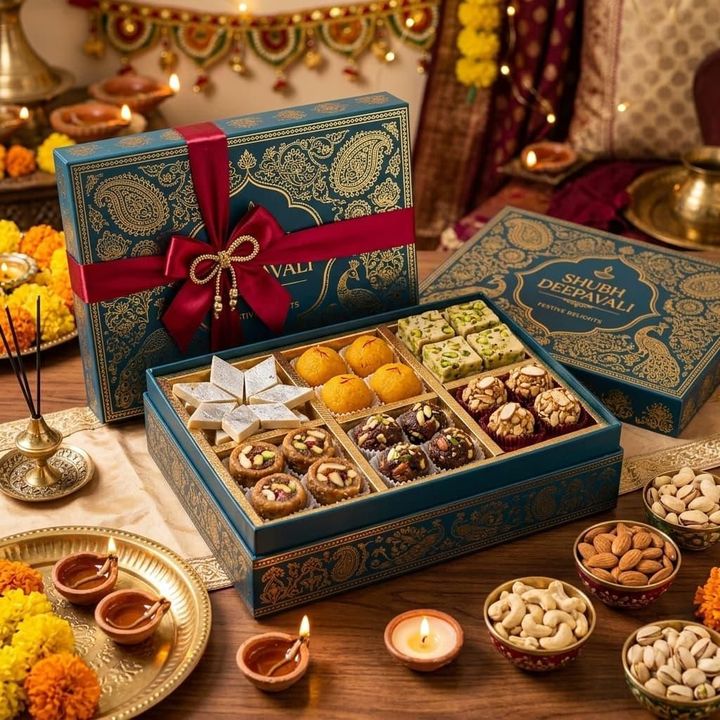
Sweets are among the most recognizable Diwali gifts. Kaju katli, laddoos, barfi, soan papdi, and regional specialties are commonly shared with relatives, neighbors, and colleagues.
Dry fruit assortments containing almonds, cashews, pistachios, raisins, and walnuts are another popular option. These gifts are convenient for family visits and festive gatherings, although recipients' dietary requirements and allergies should be considered.
Decorative Items and Festive Lighting
Decorative gifts connect closely with the visual traditions of Diwali. Diyas, lanterns, candleholders, rangoli accessories, and ornamental trays can help recipients prepare their homes for the festival.
Brass, ceramic, terracotta, and handcrafted wooden pieces suit different interior styles. When selecting lighting products, consider durability, ease of storage, and whether the recipient prefers traditional oil lamps or electric decorations.
Clothing, Accessories, and Jewelry
Traditional clothing can be a thoughtful choice for close relatives and friends. Ethnic wear, scarves, shawls, festive accessories, and jewelry may be appropriate when the recipient's preferences are known.
For clothing, check sizing, fabric preferences, and cultural expectations. For jewelry, consider the recipient's usual style rather than selecting an item solely because it appears festive.
Home and Lifestyle Gifts
Home-related gifts can remain useful after the festival ends. Examples include tableware, serving bowls, cushion covers, indoor plants, tea sets, storage containers, and decorative wall pieces.
Practical lifestyle items such as insulated bottles, journals, desk accessories, and reusable shopping bags can suit recipients who prefer everyday utility over seasonal decorations.
Choosing Diwali Gifts for Different Recipients
A suitable Diwali gift depends on the relationship, the occasion, and how well the recipient is known. The same present may be appropriate for a close relative but less suitable for a professional contact.
Gifts for Family Members
Family gifts can reflect shared memories, personal interests, or household traditions. Parents may appreciate clothing, photo albums, home accessories, or carefully selected wellness items. Siblings and cousins may prefer books, accessories, hobby-related products, or personalized gifts.
For children, consider age-appropriate games, art materials, educational kits, or books. Avoid items containing small parts when the recipient is too young to use them safely.
Gifts for Friends
Friendship gifts can be informal and personal. Popular ideas include customized mugs, favorite snacks, scented candles, books, hobby kits, small plants, and personalized photo frames.
A shared experience can also be meaningful. Examples include a cooking activity, a museum visit, a creative workshop, or a meal together, depending on the recipient's interests and local availability.
Gifts for Colleagues and Business Associates
Professional Diwali gifts generally benefit from a balanced approach. Elegant stationery, packaged dry fruits, tea assortments, desk accessories, and neutral decorative pieces are common choices.
For workplace gifting, consider organizational policies, cultural differences, dietary restrictions, and the recipient's professional role. Modest, consistent gifts are often more appropriate than expensive or highly personal items.
Gifts for Hosts and Neighbors
When visiting someone during Diwali, compact gifts are often convenient. Sweets, flowers, small plants, decorative diyas, or a neatly arranged snack box can express appreciation without creating storage difficulties.
If the host has dietary restrictions, a non-food gift may be more appropriate. Fragile decorations and strongly scented products may also be unsuitable for some households.
Personalized and Contemporary Diwali Gift Ideas
Personalization can make an ordinary item more memorable by connecting it to the recipient's identity or experiences.
Customized Keepsakes
Engraved nameplates, personalized notebooks, photo calendars, illustrated family portraits, and monogrammed accessories can commemorate relationships. Choose designs that remain useful or meaningful beyond the festival.
Personalization requires careful spelling and sufficient preparation time. If the item includes a photograph, confirm that the image is appropriate to share and reproduce.
Technology and Everyday Accessories
Technology-related gifts may suit recipients who enjoy digital devices or practical accessories. Wireless chargers, headphones, compact speakers, electronic reading accessories, and desk lighting are possible choices.
Before selecting an electronic item, check device compatibility, safety certifications, warranty information, and charging requirements. Avoid choosing products with features the recipient is unlikely to use.
Sustainable and Handmade Gifts
Handmade pottery, locally crafted textiles, reusable containers, plantable stationery, and durable home decorations may appeal to recipients who value craftsmanship and reduced waste.
Sustainability depends on the materials, manufacturing process, packaging, and expected lifespan of the product. A durable item that the recipient will use regularly may be more useful than a disposable seasonal decoration.
Diwali Gift Ideas by Recipient and Occasion
The following table provides a quick way to compare common options.
Recipient or occasion | Gift ideas | Main consideration |
|---|---|---|
Parents | Traditional clothing, photo albums, home accessories | Personal preferences |
Children | Books, puzzles, creative kits | Age and safety |
Friends | Customized mugs, candles, hobby items | Shared interests |
Colleagues | Dry fruits, stationery, tea assortments | Workplace etiquette |
Business associates | Decorative hampers, desk accessories | Company policies |
Hosts and neighbors | Sweets, flowers, diyas | Dietary needs and convenience |
Newly married couples | Tableware, home decor, keepsakes | Household preferences |
Environment-conscious recipients | Handmade crafts, reusable products | Durability and materials |
How to Select a Suitable Diwali Gift
Consider the Recipient's Preferences
Start by considering the recipient's interests, lifestyle, and cultural practices. Someone who enjoys cooking may appreciate kitchen accessories, while a reader may prefer a book or reading light.
Avoid assuming that every recipient celebrates Diwali in the same way. A considerate choice respects personal beliefs, traditions, and preferences.
Set a Practical Spending Limit
Decide how much you intend to spend before exploring gift options. The appropriate amount depends on your relationship with the recipient, the occasion, and your personal circumstances.
For group gifting, agree on a shared budget in advance. For workplace exchanges, follow any established spending limits or gift policies.
Evaluate Quality and Practicality
Check materials, packaging, durability, ingredient information, and care instructions where relevant. For edible gifts, review expiration dates and allergen declarations. For electronics, inspect compatibility and applicable safety information.
Practicality matters because gifts should fit the recipient's daily life. A compact, useful present may be more appreciated than a large decorative item with little purpose.
Choose Appropriate Packaging
Festive packaging can enhance the presentation without requiring excessive materials. Reusable fabric bags, paper boxes, simple ribbons, and recyclable wrapping are possible alternatives to multilayer plastic packaging.
Include a short greeting card when appropriate. A sincere message explaining why you selected the gift can add meaning without increasing its material value.
Diwali Gifting Trends in 2024–2026
Diwali gifting continues to reflect changing lifestyles, digital shopping habits, and greater interest in personalization. Several developments have influenced how people select and present gifts.
Personalized Gift Collections
Customized products, name-based accessories, photo keepsakes, and specially arranged gift boxes have become prominent choices. Digital design tools make it easier to prepare personalized labels, greeting cards, and artwork.
However, personalization is most effective when it reflects the recipient's preferences rather than adding a name to an otherwise unsuitable product.
Digital Gift Cards and Experiences
Digital gift cards and experience-based presents provide flexibility when recipients live in different locations or have specific interests. Depending on the provider, these may cover books, entertainment, dining, learning activities, or cultural experiences.
Check redemption terms, expiration dates, geographic restrictions, and the recipient's ability to access the platform before choosing this format.
Sustainable Presentation
Interest in reusable packaging, handmade products, and durable household items has encouraged more thoughtful gift selection. Some households also prefer gifts with minimal packaging or items produced by local craftspeople.
Sustainability claims should be assessed carefully. Look for clear material information and avoid assuming that decorative labels alone demonstrate environmental benefits.
Digital Planning and Gift Coordination
Digital lists, messaging groups, shared spreadsheets, and calendar reminders can help families coordinate gift exchanges. These tools are particularly useful when relatives live in different cities or countries.
Online ordering and delivery tracking can simplify planning, but delivery schedules may become less predictable during major festivals. Preparing early helps reduce last-minute decisions.
Cultural Considerations and Gift-Giving Etiquette
Diwali customs vary among families and communities. Some households emphasize religious offerings and traditional sweets, while others focus on family gatherings, decorative gifts, or exchanging greetings.
Consider dietary restrictions before sending food. Some recipients may avoid particular ingredients, while others may prefer vegetarian, vegan, or allergen-conscious products.
In professional settings, check rules concerning gifts, especially when interacting with public institutions, regulated organizations, or international business partners. Cultural sensitivity and transparency help prevent misunderstandings.
For international deliveries, review customs restrictions, food import rules, packaging requirements, and delivery timelines. Items such as certain foods, plants, and materials may be restricted in particular destinations.
Tools and Resources for Diwali Gift Planning
A simple planning process can make gift selection more organized.
Gift checklist: Record each recipient, preferred gift category, spending limit, and delivery date.
Calendar reminders: Set reminders for ordering, packaging, and preparing greeting cards.
Dietary information: Confirm food allergies and ingredient restrictions before selecting edible gifts.
Product documentation: Review material details, care instructions, warranties, and safety information where applicable.
Cultural references: Consult family traditions or trusted cultural resources when choosing gifts for people from different backgrounds.
A practical checklist can also prevent duplicate gifts and help ensure that every present is appropriate for its recipient.
Frequently Asked Questions
What are popular Diwali gifts for family members?
Traditional sweets, dry fruits, clothing, home decorations, photo albums, and personalized keepsakes are common choices. The most suitable option depends on the recipient's preferences and household traditions.
Which Diwali gifts are appropriate for colleagues?
Packaged sweets, dry fruits, tea assortments, stationery, and modest decorative items are widely used. Consider workplace rules, dietary needs, and cultural preferences before selecting a gift.
What are some thoughtful Diwali gifts for friends?
Customized accessories, books, hobby-related items, small plants, candles, and shared experiences can make meaningful presents. Choosing something connected to a friend's interests often adds personal significance.
How can I choose environmentally conscious Diwali gifts?
Consider durable handmade products, reusable household items, plantable stationery, and minimal packaging. Review materials and expected product lifespan rather than relying only on environmental labels.
When should Diwali gifts be prepared?
Preparing gifts several days or weeks before the celebration allows time for personalization, packaging, and delivery. International shipments and customized products may require additional preparation time.
Conclusion
Diwali gifts provide an opportunity to express appreciation, strengthen relationships, and celebrate shared traditions. Traditional sweets, festive decorations, personalized keepsakes, practical household items, and handmade products suit different recipients and occasions. Thoughtful selection involves considering personal preferences, dietary requirements, cultural practices, and practical usefulness. A meaningful gift is ultimately one that reflects care and respect rather than its size or monetary value.