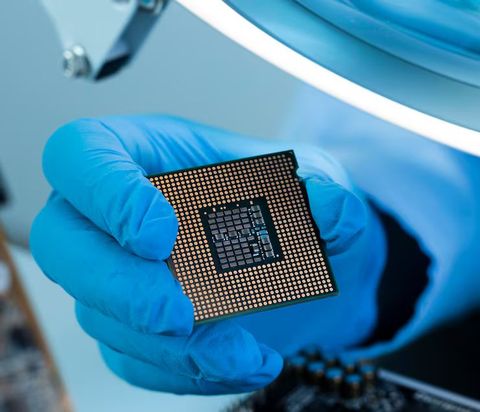
Artificial intelligence in drug discovery refers to the use of machine learning algorithms, data analytics, and computational modeling to support pharmaceutical research and development. These technologies help scientists identify potential drug compounds, analyze biological targets, and simulate how molecules interact within the human body.
The development of AI-powered medicine research exists because traditional drug development methods are expensive, time-intensive, and uncertain. AI improves efficiency by analyzing large datasets such as genomic sequences, protein structures, and clinical data.
Key Technologies Used in AI Drug Discovery
AI-based drug discovery systems rely on several advanced technologies, including:
-
Machine learning algorithms
-
Deep learning models
-
Natural language processing for medical literature
-
Molecular modeling software
-
Predictive analytics tools
These tools enable scientists to process biological data efficiently and identify promising drug candidates earlier in the research cycle.
Why AI-Powered Drug Discovery Matters Today
Artificial intelligence has become important in healthcare innovation due to increasing global health challenges. New diseases, antibiotic resistance, and chronic conditions require faster and more efficient drug development processes.
AI helps address several major challenges in pharmaceutical research:
-
Large volumes of biomedical data
-
Complex molecular interactions
-
High failure rates in clinical trials
-
Long research timelines
Key Stakeholders
The adoption of AI impacts several groups:
-
Pharmaceutical researchers
-
Biotech companies
-
Healthcare institutions
-
Medical scientists
-
Regulatory agencies
AI tools can identify patterns in biological data, helping researchers discover new therapeutic targets. Predictive modeling also allows simulation of molecular interactions before laboratory testing.
Role in Precision Medicine
AI supports precision medicine by analyzing patient-specific data, such as genetic profiles. This enables more personalized treatment approaches and improves healthcare outcomes.
Recent Developments in AI Drug Discovery
Recent years have seen rapid advancements in AI-powered pharmaceutical research. In 2025, AI platforms are increasingly used to study complex diseases like cancer and neurodegenerative disorders.
Key Trends
-
Deep learning for protein structure prediction
-
AI integration in early-stage clinical data analysis
-
Collaboration between biotech and AI companies
-
Generative AI for molecular design
Generative AI models can create new molecular structures by analyzing chemical databases. This helps researchers identify potential drug candidates more efficiently.
Another important trend is the use of large biomedical datasets, including genomic data and electronic health records. AI simulation tools also allow virtual testing of drug behavior before laboratory experiments.
Regulatory Environment and Policies
The use of AI in drug discovery is governed by strict regulatory frameworks to ensure safety and reliability. Regulatory agencies oversee pharmaceutical research and approval processes.
Major Regulatory Bodies
-
U.S. Food and Drug Administration (FDA)
-
European Medicines Agency (EMA)
-
Central Drugs Standard Control Organization (CDSCO) in India
-
World Health Organization (WHO)
Compliance Requirements
AI-assisted research must follow established standards:
-
Clinical trial protocols
-
Data transparency requirements
-
Good Laboratory Practice (GLP)
-
Good Manufacturing Practice (GMP)
Governments are also introducing AI-related policies focusing on data privacy, algorithm transparency, and ethical usage in healthcare.
Digital Tools and Research Resources
AI-powered drug discovery relies on various digital tools that support data analysis and simulation. These tools improve research efficiency and accuracy.
Common Tool Categories
-
Molecular simulation software
-
Bioinformatics platforms
-
Machine learning frameworks
-
Chemical compound databases
-
Protein structure analysis tools
Tool Categories and Their Purpose
| Tool Category | Purpose in Drug Discovery |
|---|
| Molecular Modeling Software | Simulates interactions between chemical compounds |
| Bioinformatics Platforms | Analyzes genomic and protein data |
| AI Machine Learning Frameworks | Identifies patterns in biomedical datasets |
| Chemical Databases | Stores molecular structure information |
| Clinical Data Analytics Tools | Evaluates patient and clinical trial data |
Typical AI Drug Discovery Workflow
-
Biological target identification
-
Molecular structure prediction
-
AI-based compound screening
-
Laboratory validation
-
Clinical research phases
Data Trends in AI-Based Pharmaceutical Research
AI is increasingly shaping research priorities in pharmaceutical development. The following table highlights key areas of focus:
| Research Area | Current Growth Focus |
|---|
| Protein Structure Prediction | High |
| Generative Molecular Design | High |
| Clinical Data Analytics | Moderate |
| Drug Repurposing Analysis | Moderate |
| Precision Medicine Algorithms | High |
These trends indicate a growing reliance on computational biology and data-driven research approaches.
Frequently Asked Questions
What is AI drug discovery?
AI drug discovery uses artificial intelligence technologies to identify potential drug candidates and analyze biological data.
How does AI help pharmaceutical research?
AI analyzes large datasets, identifies biological patterns, and simulates molecular interactions to support drug development.
Does AI replace traditional laboratory research?
No. AI complements laboratory research by providing computational insights that guide experimental testing.
What types of data are used?
-
Genomic data
-
Protein structures
-
Chemical compound libraries
-
Clinical trial data
-
Medical publications
Is AI drug discovery regulated?
Yes. It must comply with pharmaceutical regulations, clinical trial standards, and data protection laws.
Conclusion
Artificial intelligence is transforming pharmaceutical research by enabling more efficient analysis of complex biological data. It supports data-driven approaches to understanding diseases and identifying potential treatments.
Recent advancements in protein modeling, molecular design, and clinical data analytics highlight the growing role of AI in healthcare innovation. At the same time, regulatory frameworks and ethical guidelines remain essential for ensuring safety and transparency.
As digital technologies evolve, AI will continue to play a critical role in advancing drug discovery and modern medicine.