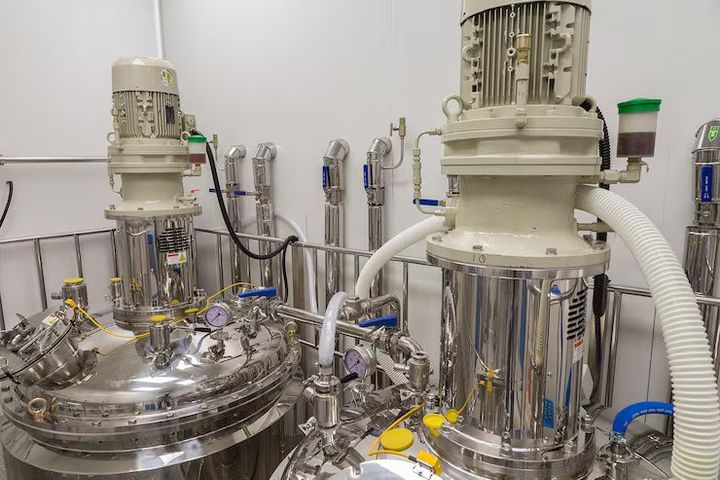
Expert Guide to Hydrocracker Reactors: Advanced Technologies and Refining Innovations
Hydrocracker reactors are specialized industrial vessels used in petroleum refining and hydroprocessing operations.
These reactors play a central role in converting heavier hydrocarbon feedstocks into lighter and more valuable petroleum products through a process known as hydrocracking. The process combines high temperatures, elevated pressures, hydrogen, and catalysts to break down large hydrocarbon molecules into smaller ones.
The development of hydrocracking technology was driven by the growing demand for transportation fuels and refined petroleum products. As refineries sought ways to improve product yields and process heavier crude oil fractions, hydrocracking became an important refining technology.
Today, hydrocracker reactor manufacturers develop equipment capable of operating under demanding process conditions. These reactors are often integrated into refinery hydrocracker reactor systems that include hydrogen management units, catalyst systems, heat exchangers, separation equipment, and advanced control technologies.
Hydroprocessing reactor manufacturers continue to refine reactor designs to improve operational reliability, process efficiency, and environmental performance within modern refining facilities.
Importance
Hydrocracker reactors are important components of refining infrastructure because they help convert heavy petroleum streams into products used across transportation, manufacturing, and industrial sectors.
Supporting Fuel Production
Refineries use hydrocracking processes to convert heavy feedstocks into lighter products that can be further processed into fuels and petrochemical feedstocks.
This conversion capability helps maximize the use of available crude oil resources.
Improving Product Quality
Hydrocracking can help reduce sulfur, nitrogen, and other impurities present in certain feedstocks.
The process contributes to the production of cleaner refinery streams that may support downstream refining requirements.
Increasing Refinery Flexibility
Modern refineries process a wide range of crude oil types and feedstocks.
Refinery hydrocracker reactor systems provide flexibility by allowing operators to process heavier materials that may otherwise be difficult to utilize efficiently.
Supporting Industrial Supply Chains
Products derived from hydrocracking contribute to industries such as:
- Transportation
- Manufacturing
- Chemical production
- Logistics
- Energy infrastructure
These sectors rely on refined petroleum products for numerous operational activities.
Recent Updates
Hydroprocessing technology continues to evolve as refineries adopt advanced engineering and digital solutions.
Improved Catalyst Technologies
Hydrocracker catalyst reactor solutions continue to advance through catalyst research and development efforts.
Modern catalysts are designed to support improved conversion efficiency, product selectivity, and operational stability under refinery conditions.
Digital Process Monitoring
Refineries increasingly use digital monitoring systems that provide real-time information about reactor performance, temperature profiles, pressure conditions, and operational efficiency.
These systems support improved process management and maintenance planning.
Advanced Materials Development
High pressure hydrocracker reactors operate under demanding conditions that require specialized materials.
Manufacturers continue to develop advanced metallurgy and fabrication techniques designed to withstand elevated temperatures and pressures.
Integration with Refinery Automation
Hydrocracker system integrators increasingly connect reactor operations with plant-wide digital control systems.
Integrated automation platforms help operators monitor process conditions and optimize refinery operations.
Sustainability and Efficiency Initiatives
Many refining organizations are exploring process improvements that reduce energy consumption and improve operational efficiency.
These initiatives often include equipment modernization and enhanced process control strategies.
Laws or Policies
Hydrocracker reactors operate within regulatory frameworks related to industrial safety, environmental protection, and engineering standards.
Industrial Safety Regulations
Because hydrocracking involves high temperatures and pressures, facilities must comply with industrial safety requirements.
Areas commonly addressed include:
- Pressure vessel safety
- Process hazard management
- Emergency response planning
- Equipment inspections
- Operational procedures
These measures help reduce operational risks.
Environmental Compliance
Refineries are subject to environmental regulations that govern emissions, waste management, water usage, and process operations.
Hydroprocessing units often play a role in supporting compliance with product quality and environmental objectives.
Pressure Vessel Standards
Hydrocracker reactors are typically designed and manufactured according to recognized engineering codes and standards.
These standards address:
- Material selection
- Structural integrity
- Fabrication methods
- Inspection procedures
- Testing requirements
Occupational Safety Requirements
Workers involved in refinery operations must follow safety protocols established by national and regional regulatory authorities.
| Regulatory Area | Purpose |
|---|---|
| Pressure Vessel Standards | Supports equipment integrity |
| Industrial Safety Rules | Reduces operational risks |
| Environmental Compliance | Addresses emissions and resource management |
| Process Safety Management | Supports safe operations |
| Inspection Requirements | Verifies equipment condition |
Tools and Resources
Various tools help engineers, operators, and maintenance personnel manage hydrocracker operations.
Process Simulation Software
Engineers use simulation platforms to model hydrocracking processes and evaluate reactor performance under different operating conditions.
These tools support process design and optimization activities.
Digital Control Systems
Modern refinery hydrocracker reactor systems frequently use distributed control systems and advanced automation platforms.
These systems help monitor and regulate operating parameters.
Inspection Technologies
Non-destructive testing methods assist in evaluating equipment condition without disrupting operations.
Common techniques include:
- Ultrasonic testing
- Radiographic inspection
- Visual examination
- Thickness monitoring
- Acoustic analysis
Asset Management Platforms
Refineries often use asset management software to monitor equipment condition, schedule inspections, and manage maintenance activities.
Engineering Standards Resources
Industry organizations publish engineering standards, technical guidance documents, and design references relevant to hydroprocessing equipment.
How Hydrocracker Reactors Work
Feedstock Preparation
The hydrocracking process begins with the preparation of feedstock streams that will enter the reactor system.
Feedstocks are often combined with hydrogen before entering the reactor.
Reaction Stage
Inside the reactor, hydrocarbons interact with catalysts under elevated temperature and pressure conditions.
The catalyst helps facilitate reactions that break larger molecules into smaller hydrocarbon compounds.
Product Separation
After leaving the reactor, the process stream enters separation equipment where gases, liquids, and other materials are separated according to process requirements.
Hydrogen Recovery
Hydrogen recovery systems help recycle hydrogen back into the process, supporting operational efficiency and resource utilization.
Types of Hydrocracker Reactor Systems
Fixed-Bed Reactors
Fixed-bed designs are commonly used in refinery applications.
Catalyst material remains stationary while process fluids flow through the reactor.
High Pressure Hydrocracker Reactors
High pressure hydrocracker reactors are designed to operate under elevated pressure conditions required for hydrocracking reactions.
These systems require specialized engineering and fabrication techniques.
Multi-Stage Reactor Systems
Some hydrocracking units use multiple reactor stages to improve conversion performance and process flexibility.
Integrated Hydroprocessing Systems
Hydroprocessing reactor manufacturers often develop reactor systems integrated with hydrogen management, separation, and process control technologies.
Industry Participants
Hydrocracker Reactor Manufacturers
Hydrocracker reactor manufacturers design and fabricate reactors used in hydrocracking operations within petroleum refineries.
Their work involves engineering, metallurgy, fabrication, and equipment testing.
Hydrocracking Reactor Suppliers
Hydrocracking reactor suppliers provide reactor systems, components, and associated equipment used in refining operations.
Hydrocracker System Integrators
Hydrocracker system integrators coordinate the integration of reactors, process equipment, instrumentation, and automation technologies within refinery facilities.
Engineering Organizations
Organizations involved in hydrocracking plant engineering services contribute expertise related to process design, equipment layout, and operational planning.
Integrated Project Developers
Companies associated with turnkey hydrocracker unit solutions coordinate multiple aspects of project execution, including engineering, equipment integration, and commissioning activities.
FAQs
What are hydrocracker reactors used for?
Hydrocracker reactors are used in petroleum refining to convert heavy hydrocarbon feedstocks into lighter products through hydrocracking reactions involving hydrogen and catalysts.
What do hydrocracker reactor manufacturers produce?
Hydrocracker reactor manufacturers design and fabricate specialized pressure vessels used in refinery hydroprocessing operations.
What are refinery hydrocracker reactor systems?
Refinery hydrocracker reactor systems are integrated processing units that combine reactors, catalysts, hydrogen systems, separation equipment, and control technologies.
Why are high pressure hydrocracker reactors important?
High pressure hydrocracker reactors provide the operating conditions necessary for hydrocracking reactions, helping facilitate the conversion of heavy hydrocarbons into lighter products.
What role do hydrocracker system integrators play?
Hydrocracker system integrators coordinate the integration of process equipment, automation systems, instrumentation, and operational technologies within hydrocracking facilities.
Conclusion
Hydrocracker reactors are important components of modern petroleum refining infrastructure. They support the conversion of heavy hydrocarbon feedstocks into lighter products through sophisticated hydroprocessing technologies. Advances in catalyst development, digital monitoring, automation, and materials engineering continue to influence reactor design and operation. Hydrocracker reactor manufacturers, hydroprocessing reactor manufacturers, hydrocracker system integrators, and engineering organizations contribute to the development and operation of these complex industrial systems.