Dust Collection Systems: Complete Guide to Industrial Air Filtration and Dust Control
Dust collection systems play an essential role in maintaining clean and safe industrial environments.
Manufacturing facilities, woodworking shops, metal processing plants, pharmaceutical facilities, food processing units, and cement plants all generate airborne dust during daily operations. Without proper dust control, these particles can affect equipment performance, product quality, and workplace safety.
A dust collection system captures airborne dust at its source, transports it through ductwork, filters the air, and returns clean air to the workplace or safely releases it outdoors. Modern industrial dust collection systems help improve air quality, reduce equipment wear, and support efficient production processes.
This guide explains how dust collection systems work, their major types, applications, benefits, important considerations, and future developments in simple and practical language.
Understanding the Concept
A dust collection system is an industrial air filtration system designed to capture, separate, and remove airborne dust particles generated during manufacturing or material handling.
Dust can come from many industrial activities, including:
- Metal cutting
- Woodworking
- Grinding
- Sanding
- Welding
- Powder handling
- Cement production
- Food processing
- Pharmaceutical manufacturing
The primary purpose of industrial dust collection is to keep the workplace cleaner while preventing excessive dust accumulation around machinery and production areas.
Most systems include several connected components that work together to move contaminated air through filters that remove dust before cleaner air continues through the ventilation process.
Key Types or Categories
Different industries require different dust collection technologies depending on the size, type, and amount of dust produced.
Baghouse Dust Collectors
Baghouse systems use fabric filter bags to capture fine dust particles.
They are commonly used in:
- Cement plants
- Steel manufacturing
- Mining
- Chemical processing
- Power generation
Baghouse collectors handle large volumes of air and provide high dust filtration efficiency.
Cartridge Dust Collectors
Cartridge collectors use pleated filter cartridges with a large filtration surface.
These systems are popular in:
- Metal fabrication
- Laser cutting
- CNC machining
- Pharmaceutical manufacturing
- Electronics production
They are especially effective for capturing fine dust.
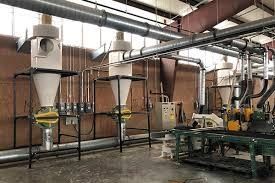
Cyclone Dust Collectors
Cyclone collectors separate larger dust particles using centrifugal force.
As air spins inside the cyclone chamber, heavier particles move toward the outer wall and fall into a collection container.
Cyclone collectors are often installed before the main filtration equipment to reduce filter loading.
Wet Dust Collectors
Wet dust collectors use water to capture combustible or hazardous dust.
These systems are commonly found in:
- Aluminum processing
- Chemical industries
- Metal grinding
- Explosive dust environments
The water reduces airborne particle concentration while lowering ignition risks.
Portable Dust Collectors
Portable units provide localized dust control for smaller industrial workspaces.
They are suitable for:
- Repair workshops
- Small manufacturing units
- Welding stations
- Mobile production areas
Important Subsections
Dust Extraction Hoods
Extraction hoods capture dust directly where it is generated.
Proper hood placement improves dust collection efficiency and reduces airborne contamination.
Industrial Ductwork
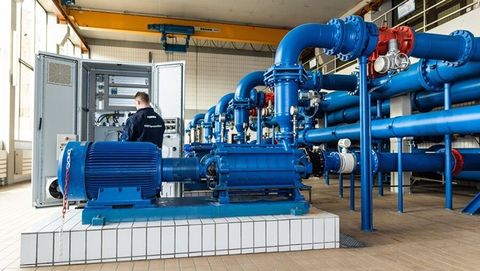
Ductwork transports contaminated air from machinery to the filtration unit.
Well-designed duct systems maintain proper airflow and reduce energy loss.
Industrial Air Filters
Industrial air filters remove dust before clean air continues through the system.
Common filter materials include:
- Polyester
- Cellulose
- Nanofiber media
- Synthetic blends
Different filter materials perform better for different particle sizes.
Dust Collection Fans
Industrial fans create airflow that moves dust through the entire system.
The fan size depends on:
- Air volume
- Duct length
- Dust characteristics
- Equipment layout
Dust Collection Bins
Collected dust is stored inside bins or hoppers for safe disposal or recycling.
Many industries recover valuable materials from collected dust.
How It Works
A dust collection system follows a straightforward process.
Step 1: Dust Generation
Industrial equipment generates airborne particles during production.
Examples include:
- Sawing wood
- Grinding metal
- Mixing powders
- Sandblasting
- Material transfer
Step 2: Dust Capture
Extraction hoods collect dust immediately near the source before it spreads throughout the workplace.
Early capture improves overall system efficiency.
Step 3: Air Transportation
Industrial fans pull contaminated air through ductwork toward the filtration equipment.
Proper airflow keeps dust moving efficiently.
Step 4: Dust Filtration
Inside the dust collector, filters separate solid particles from the airflow.
Different filtration technologies remove particles of various sizes.
Step 5: Clean Air Release
After filtration, cleaner air continues through the ventilation system or is safely discharged according to facility requirements.
Collected dust remains inside storage containers for removal.
Benefits and Advantages
Dust collection systems provide numerous operational benefits.
Improved Air Quality
Removing airborne dust creates a cleaner industrial environment.
Cleaner air improves visibility and reduces dust accumulation.
Better Equipment Performance
Dust can enter machinery and accelerate wear on moving components.
Effective dust control helps maintain cleaner equipment.
Reduced Maintenance
Less dust around machinery often means fewer cleaning requirements and more reliable equipment operation.
Cleaner Production Areas
Dust collection systems help keep floors, workstations, and production equipment cleaner throughout the day.
Improved Product Quality
In industries such as electronics, pharmaceuticals, and food processing, dust contamination can affect finished products.
Air filtration supports cleaner manufacturing environments.
Energy Efficiency
Modern industrial dust collectors use advanced airflow management and high-efficiency filters to improve overall energy performance.
Real-World Examples or Applications
Dust collection systems support many industries.
Woodworking Industry
Woodworking facilities generate sawdust during cutting, sanding, routing, and shaping operations.
Dust collectors remove fine wood particles before they spread throughout the workshop.
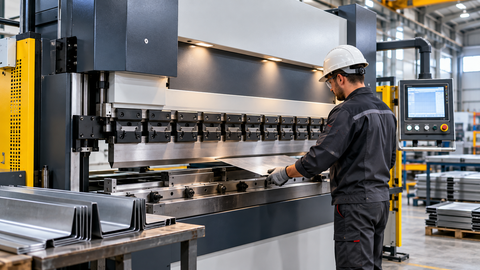
Metal Fabrication
Metalworking processes create grinding dust, welding fumes, and cutting debris.
Industrial air filtration helps maintain cleaner production areas.
Pharmaceutical Manufacturing
Powder handling requires highly controlled environments.
Dust collection systems reduce airborne particles during mixing and packaging.
Food Processing
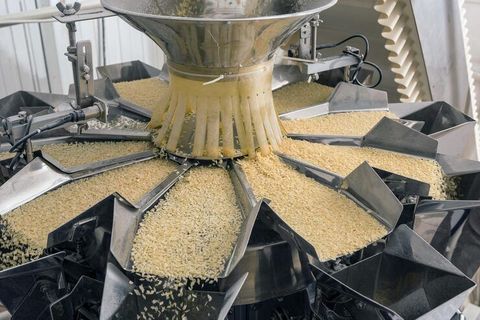
Food ingredients such as flour, sugar, spices, and starch produce fine dust during production.
Industrial dust collectors help maintain hygienic processing environments.
Cement Manufacturing
Large cement plants generate significant amounts of fine mineral dust.
Baghouse dust collectors capture these particles throughout production.
Chemical Processing
Chemical manufacturing facilities often require specialized filtration systems capable of handling fine powders and process materials safely.
Important Factors to Understand
Several important factors influence dust collection performance.
Dust Characteristics
Different dust types vary in:
- Particle size
- Moisture content
- Density
- Abrasiveness
- Combustibility
Understanding these characteristics helps determine the most suitable filtration system.
Airflow Requirements
Adequate airflow is necessary for effective dust capture.
Improper airflow may reduce collection efficiency.
Filter Selection
Selecting appropriate filter media depends on:
- Dust particle size
- Operating temperature
- Humidity
- Industrial process
Correct filter selection improves filtration performance.
Routine Inspection
Regular inspections help identify:
- Worn filters
- Air leaks
- Blocked ductwork
- Fan performance
- Dust buildup
Routine maintenance supports reliable operation.
System Design
Proper duct layout, fan sizing, and hood placement significantly influence overall dust collection efficiency.
Every industrial facility has unique airflow requirements.
Future Trends and Industry Insights
Dust collection technology continues evolving with modern manufacturing.
Smart Monitoring Systems
Advanced monitoring systems continuously measure:
- Airflow
- Filter condition
- Pressure changes
- Dust concentration
- Equipment performance
Real-time monitoring improves operational efficiency.
Industrial Automation
Automated filter cleaning systems reduce manual intervention and maintain consistent airflow.
Automation also improves equipment reliability.
Energy-Efficient Filtration
Manufacturers continue developing filtration systems that consume less energy while maintaining high particle removal performance.
High-Performance Filter Media
New filter materials capture smaller particles while maintaining lower airflow resistance.
This improves filtration efficiency and equipment longevity.
Connected Industrial Monitoring
Industrial Internet of Things (IIoT) technology enables remote monitoring of dust collection equipment through connected sensors and centralized control systems.
Facility managers can monitor system performance continuously.
Conclusion
Dust collection systems are an essential part of modern industrial air filtration and workplace dust control. They capture airborne particles at the source, transport contaminated air through ductwork, filter dust using specialized collection equipment, and maintain cleaner industrial environments.
From woodworking and metal fabrication to pharmaceuticals, food processing, cement production, and chemical manufacturing, these systems support cleaner operations, improved equipment performance, and better production quality.
As industrial technology continues advancing, smart monitoring, automated filtration, energy-efficient equipment, and connected industrial systems will further improve dust collection performance. Understanding how these systems operate helps organizations create cleaner, more efficient, and well-managed production environments.