Galvanized Sheet Metal: Complete Guide to Uses & Benefits
Galvanized Sheet Metal is widely used in construction, manufacturing, transportation, and infrastructure because of its strength and resistance to corrosion.
By coating steel with a protective layer of zinc, manufacturers create a material that performs well in demanding environments while requiring relatively little maintenance. From roofing panels and ventilation ducts to agricultural equipment and industrial machinery, galvanized sheet metal has become an essential material across many industries.
This guide explains what galvanized sheet metal is, how it is produced, its common applications, key advantages, and important factors to consider when selecting it for different projects.
What Is Galvanized Sheet Metal?
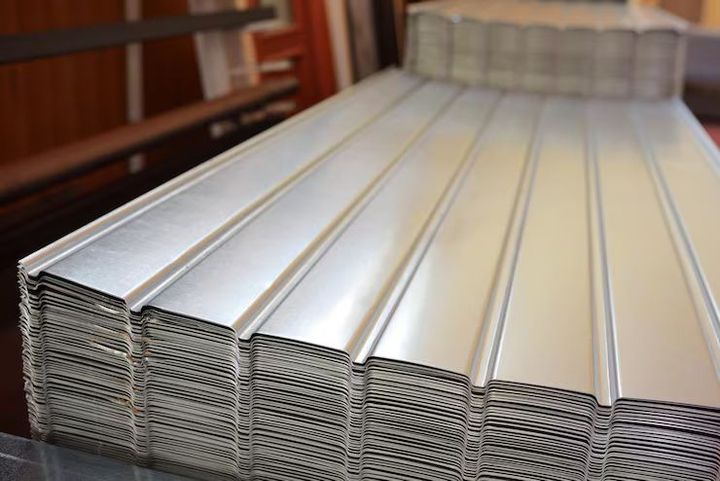
Galvanized Sheet Metal is steel sheet coated with zinc to protect it from rust and corrosion. The zinc layer acts as a barrier between the steel and moisture, helping extend the material's working life even when exposed to challenging weather conditions.
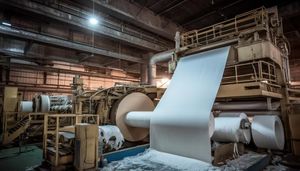
The most common production method is hot-dip galvanizing, where steel sheets are immersed in molten zinc to create a durable protective coating. Electro-galvanizing is another method used for applications requiring a smoother surface finish.
Why Is Galvanized Sheet Metal Important?
Steel is strong and versatile, but it can corrode when exposed to moisture and oxygen. Galvanization significantly improves durability by protecting the surface from environmental damage.
Because of this protection, galvanized sheet metal is commonly selected for projects that require long-term performance in outdoor or industrial environments. Industry reports indicate that galvanized steel remains one of the most widely used corrosion-resistant materials in construction and manufacturing.
Common Types of Galvanized Sheet Metal
Different manufacturing methods create products suitable for specific applications.
Hot-Dip Galvanized Steel
This type features a thick zinc coating that provides excellent corrosion resistance and is widely used for structural applications.
Electro-Galvanized Steel
Electro-galvanized sheets have a thinner, smoother zinc coating, making them suitable for products requiring a refined surface appearance.
Galvannealed Steel
This material combines galvanizing with heat treatment to improve paint adhesion and welding performance.
Applications Across Industries
Galvanized Sheet Metal supports many industrial and commercial applications.
It is commonly used for:
- Roofing and wall panels
- HVAC ductwork
- Structural framing
- Industrial storage systems
- Agricultural buildings
- Automotive components
- Electrical enclosures
- Water management systems
- Fencing and gates
- Warehouse construction
Its versatility allows engineers and builders to use it in projects where durability and weather resistance are important.
Benefits of Galvanized Sheet Metal
Excellent Corrosion Resistance
The zinc coating protects the steel from moisture and environmental exposure, helping reduce the risk of rust.
Long Service Life
Galvanized steel performs well in outdoor environments, making it suitable for infrastructure, industrial facilities, and residential construction.
Low Maintenance
Because the protective coating helps prevent corrosion, galvanized sheet metal generally requires less maintenance than untreated steel.
High Strength
The steel core provides structural strength, while the zinc coating adds long-term surface protection.
Wide Range of Applications
Its combination of durability, versatility, and workability makes galvanized sheet metal useful across construction, manufacturing, transportation, and agriculture.
Factors to Consider
Before selecting galvanized sheet metal, consider several important factors:
- Environmental conditions.
- Zinc coating thickness.
- Sheet thickness and strength requirements.
- Fabrication and welding needs.
- Surface finish requirements.
- Compliance with applicable industry standards.
Evaluating these factors helps ensure the material matches the intended application.
Future Trends
Advances in metal processing continue improving galvanized steel products. Manufacturers are developing enhanced zinc coatings, more sustainable production methods, and improved corrosion protection technologies. Automation, digital quality inspection, and precision manufacturing are also helping produce galvanized sheets with greater consistency and performance.
Frequently Asked Questions
What is Galvanized Sheet Metal?
It is steel sheet coated with zinc to improve corrosion resistance and extend its durability.
Where is it commonly used?
It is widely used in construction, HVAC systems, agriculture, transportation, industrial equipment, and infrastructure projects.
Why is zinc used as a coating?
Zinc forms a protective layer that helps shield steel from moisture and corrosion, increasing its working life.
What is the difference between hot-dip and electro-galvanized steel?
Hot-dip galvanizing produces a thicker protective coating, while electro-galvanizing creates a smoother finish with a thinner zinc layer.
Is galvanized sheet metal suitable for outdoor applications?
Yes. Its corrosion-resistant coating makes it suitable for many outdoor environments where long-term durability is important.
Conclusion
Galvanized Sheet Metal remains one of the most dependable materials for projects that require strength, corrosion resistance, and long-term performance. Its protective zinc coating, broad range of applications, and adaptability make it valuable across construction, manufacturing, transportation, and industrial sectors.
As production technologies continue to advance, galvanized sheet metal will remain an important material for modern infrastructure and engineering projects that demand durability and reliable performance.