EDM (Electrical Discharge Machines) Overview – Working Principles, Applications, and Technology Insights
Electrical Discharge Machining, commonly known as EDM, is a manufacturing process that shapes metal using controlled electrical sparks. Instead of cutting materials with traditional mechanical tools such as drills or milling cutters, EDM removes material through electrical discharges between an electrode and a conductive workpiece.
Electrical Discharge Machining (EDM) exists because many modern industrial materials—such as hardened steel, titanium alloys, and carbide—are extremely difficult to shape using traditional machining methods. EDM provides a solution by enabling precise shaping without applying physical force.
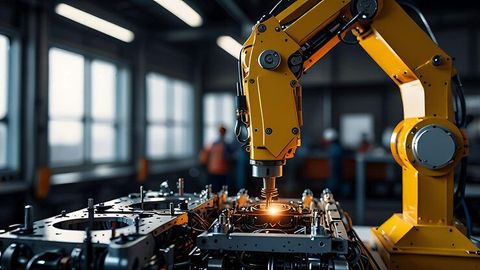
In the EDM process, both the tool (electrode) and the workpiece are submerged in a dielectric fluid. When voltage is applied, controlled electrical sparks occur between them, removing tiny amounts of material.
This spark erosion process gradually forms the desired shape with high precision. Because there is no direct contact, EDM is ideal for delicate and complex components.
Common Types of EDM Machines
| EDM Machine Type | Description | Typical Applications |
|---|---|---|
| Die-Sinking EDM | Uses a shaped electrode to form cavities | Mold and die manufacturing |
| Wire EDM | Uses a thin wire to cut complex profiles | Aerospace components |
| Hole Drilling EDM | Designed for very small precision holes | Turbine cooling holes |
EDM is widely used in precision machining, industrial automation, and advanced manufacturing engineering.
Why EDM Technology Matters in Modern Manufacturing
EDM plays a critical role in industries that require high precision and the ability to work with hard materials. Traditional machining methods often struggle with such requirements.
One major advantage of EDM is its ability to machine electrically conductive materials regardless of hardness. This makes it suitable for hardened metals that are difficult to cut using conventional tools.
Industries That Rely on EDM
- Aerospace engineering
- Automotive manufacturing
- Medical device production
- Electronics manufacturing
- Tool and die engineering
For example, turbine blades in aircraft engines require extremely small and precise cooling holes. EDM hole drilling machines are commonly used for such applications.
Key Benefits of EDM
- High dimensional accuracy
- Ability to machine hardened materials
- Capability to produce complex geometries
- Minimal mechanical stress on materials
- High-quality surface finish
Because EDM does not apply cutting force, it reduces the risk of distortion in delicate components.
Recent Technology Trends and Updates in EDM
EDM technology continues to evolve with advancements in automation, digital monitoring, and energy efficiency.
CNC and Smart Manufacturing Integration
Modern EDM machines now include advanced CNC systems that allow precise control of spark energy and machining parameters. These systems improve accuracy and reduce electrode wear.
Automation and Robotics
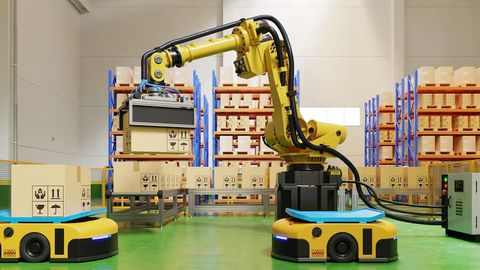
Robotic systems are increasingly used for tool changing and workpiece handling. This enables continuous production and improves manufacturing efficiency.
Energy Efficiency Improvements
Newer EDM systems dynamically adjust energy output based on material thickness. This reduces power consumption and enhances machining performance.
Advanced Dielectric Fluids
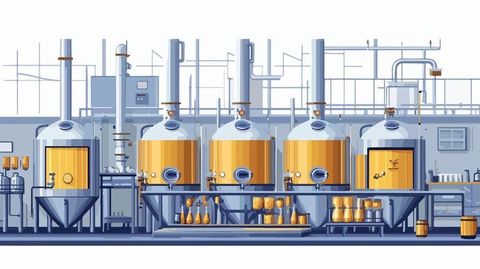
Improved dielectric fluids enhance cooling and debris removal, leading to more stable machining conditions and better surface finishes.
Comparison of Traditional vs Modern EDM Systems
| Feature | Traditional EDM | Modern EDM Systems |
|---|---|---|
| Machine Control | Manual adjustments | Advanced CNC control |
| Monitoring | Limited visibility | Real-time digital monitoring |
| Automation | Manual handling | Robotic automation |
| Efficiency | Moderate speed | Optimized energy control |
These advancements highlight EDM’s role in smart manufacturing and Industry 4.0 environments.
Regulations, Standards, and Safety Guidelines
EDM operations must follow strict industrial safety and environmental regulations due to the use of electrical energy and dielectric fluids.
Key Regulatory Areas
- Industrial equipment safety standards
- Electrical safety guidelines
- Environmental regulations for fluid disposal
- Workplace safety compliance
Important Standards and Frameworks
- Bureau of Indian Standards (BIS) guidelines
- Factory Act safety regulations
- ISO 9001 (quality management)
- ISO 14001 (environmental management)
- IEC electrical safety standards
Common Safety Practices
- Proper storage and recycling of dielectric fluids
- Installation of ventilation systems
- Regular machine maintenance
- Electrical safety training for operators
These measures ensure safe and environmentally responsible EDM operations.
Tools and Resources for Learning EDM Technology
Various tools and educational platforms support learning and application of EDM processes.
Engineering Simulation Software
- ANSYS
- Autodesk Fusion 360
- SolidWorks
These tools help simulate machining processes and analyze parameters.
Technical Learning Platforms
- MIT OpenCourseWare
- Coursera
- Khan Academy
They provide courses and tutorials on machining and manufacturing technologies.
Engineering Calculators
Used to estimate:
- Spark gap distance
- Material removal rate
- Surface roughness
- Electrode wear
These resources help engineers optimize EDM performance and understand machining behavior.
Frequently Asked Questions About EDM Machines
What materials can EDM machines process?
EDM can process any electrically conductive material, including hardened steel, titanium alloys, aluminum, and tungsten carbide.
How does wire EDM differ from die-sinking EDM?
Wire EDM uses a thin wire to cut through material, while die-sinking EDM uses a shaped electrode to create cavities.
Is EDM suitable for complex geometries?
Yes. EDM is ideal for intricate shapes, sharp corners, and detailed cavities that are difficult to achieve with traditional machining.
Does EDM create mechanical stress?
No. EDM uses electrical sparks instead of physical cutting, resulting in minimal mechanical stress.
Which industries use EDM the most?
Industries such as aerospace, automotive, medical devices, electronics, and tool manufacturing rely heavily on EDM technology.
Conclusion
Electrical Discharge Machining is a vital technology in modern manufacturing due to its ability to machine hard materials with exceptional precision. By using electrical sparks instead of mechanical cutting, EDM enables the production of complex and delicate components.
Its importance continues to grow in industries that demand high accuracy and advanced material processing. Applications in aerospace, medical devices, and industrial tooling highlight its versatility.
Recent advancements in CNC systems, automation, and smart manufacturing integration have further improved EDM efficiency and reliability. At the same time, safety standards and environmental regulations ensure responsible operation.
As manufacturing technologies continue to evolve, EDM remains a key component of precision engineering and advanced production systems.