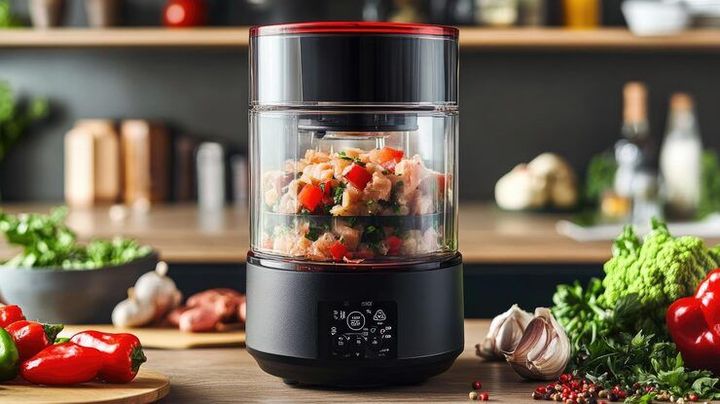
Electric Chopper Guide: Smart Features, Uses & Key Insights
Learn how electric choppers work, their smart features, practical uses, safety rules, and recent innovations in modern kitchen appliance technology.
An electric chopper is a compact kitchen appliance designed to cut, chop, mince, or blend food ingredients quickly using motor-driven blades. It was created to reduce the manual effort involved in food preparation and improve consistency in chopping tasks.
In earlier kitchens, chopping vegetables, herbs, nuts, and other ingredients required significant time and effort. As modern lifestyles became faster, kitchen appliance technology evolved to support quicker food preparation. Electric choppers became popular because they simplify repetitive kitchen tasks while improving efficiency.
Today, electric choppers are used in homes, commercial kitchens, and food preparation environments. They often include features such as multi-speed operation, overload protection, smart sensors, and energy-efficient motors. These advancements make them part of the broader smart kitchen technology, a growing segment within home appliance innovation.
Importance
Electric choppers matter today because convenience and time efficiency are increasingly valuable. Many people balance work, family, and daily responsibilities, making faster meal preparation highly useful.
The appliance benefits a wide range of users:
- Busy households preparing daily meals
- Senior citizens needing easier kitchen tools
- Small food preparation setups
- People managing large ingredient batches
Electric choppers help solve several common problems.
Reduced Preparation Time
Manual chopping can take 15–30 minutes depending on the ingredients. An electric chopper can reduce this task to a few minutes.
Consistent Cutting
Uniform chopping improves cooking quality because ingredients cook more evenly.
Improved Safety
Many modern units include lock systems that prevent operation unless the lid is secured.
Common Uses of Electric Choppers
| Use Case | Typical Ingredients | Benefit |
|---|---|---|
| Vegetable Chopping | Onion, carrot, cabbage | Faster preparation |
| Herb Processing | Mint, coriander | Fine and even cuts |
| Nut Grinding | Almonds, peanuts | Better texture control |
| Paste Preparation | Garlic, ginger | Smooth consistency |
The growing popularity of energy-efficient kitchen appliances also increases demand for electric choppers, especially in urban households.
Recent Updates
The electric chopper market has seen notable innovation during 2025–2026.
AI-Assisted Smart Controls
In late 2025, manufacturers began integrating sensor-based controls that automatically adjust blade speed depending on ingredient hardness. This improves motor efficiency and reduces overheating.
Rechargeable Cordless Models
Cordless battery-powered choppers gained popularity in 2025 due to portability and compact design. These models support flexible kitchen layouts and travel-friendly usage.
Energy Efficiency Improvements
Recent motor designs use brushless technology, reducing energy consumption while extending motor lifespan. This aligns with global demand for sustainable appliances.
Feature Trend Comparison
| Feature | Traditional Models | Smart Models |
|---|---|---|
| Speed Settings | 1–2 | 3–6 |
| Safety Lock | Basic | Advanced |
| Motor Protection | Limited | Auto Shutoff |
| Energy Efficiency | Standard | Improved |
The trend toward IoT-enabled appliances suggests future electric choppers may connect with broader kitchen automation systems.
Laws and Policies
Electric choppers are affected by electrical safety regulations and consumer protection rules in many countries.
Electrical Safety Standards
Governments require appliances to meet safety standards covering:
- Insulation quality
- Overheating protection
- Electrical leakage prevention
- Fire resistance
In countries such as India, household electrical appliances may need certification from organizations such as Bureau of Indian Standards to ensure compliance with safety norms.
Energy Efficiency Regulations
Many countries encourage manufacturers to improve appliance efficiency under sustainable energy programs. These frameworks support reduced household electricity consumption.
Consumer Protection Rules
Labeling regulations often require clear information about:
- Power consumption
- Voltage requirements
- Safety warnings
- Usage instructions
These policies help users make informed decisions and reduce misuse-related risks.
Tools and Resources
Several resources can help users understand electric chopper usage and performance.
Energy Calculators
These estimate appliance power consumption and efficiency.
Kitchen Planning Templates
Useful for organizing appliance placement in compact kitchens.
Appliance Comparison Charts
Helpful for comparing motor power, blade types, and capacity.
Digital Manuals and Safety Guides
These explain maintenance routines, troubleshooting, and safe operation.
Useful learning resources may include:
- Appliance specification guides
- Kitchen workflow templates
- Maintenance checklists
- Energy usage calculators
FAQs
What is the main purpose of an electric chopper?
An electric chopper is mainly used to speed up chopping, mincing, and ingredient preparation while reducing manual effort.
Can electric choppers handle hard ingredients?
Many modern models can process nuts, hard vegetables, and herbs, though performance depends on motor strength and blade design.
Are electric choppers safe?
Yes, most modern units include lid-lock systems, overload protection, and non-slip bases for safer operation.
How much electricity does an electric chopper use?
Power usage depends on motor capacity. Most household units use relatively low energy because they operate for short durations.
How should an electric chopper be maintained?
Clean blades after use, avoid overloading, and ensure all components are fully dry before storage.
Conclusion
Electric choppers have become practical tools in modern kitchens because they save time, improve consistency, and reduce manual effort. Advances in smart controls, energy-efficient motors, and safety technology continue to improve their performance. As kitchen automation grows, electric choppers will likely become even more intelligent and efficient, supporting faster and safer food preparation for everyday users.