Electrical Connector Guide: Types, Uses, Selection Tips, and Installation Basics
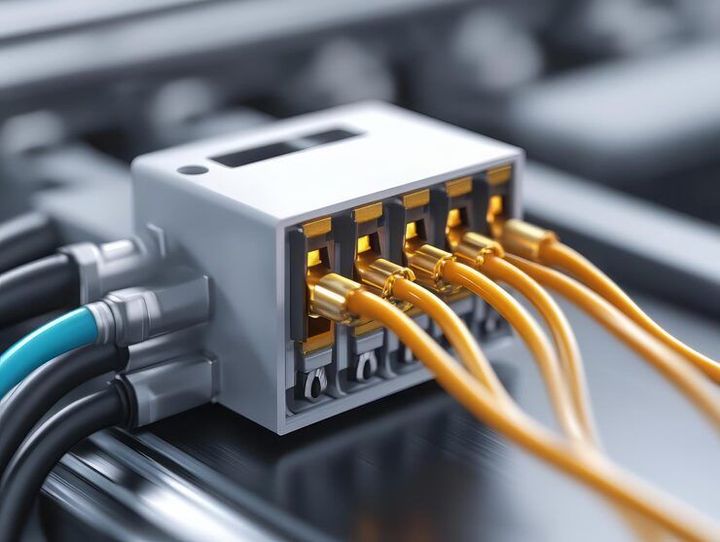
Electrical connectors are components used to join electrical circuits together, enabling the transfer of power or signals between devices. They are essential in almost every electrical and electronic system, from household wiring and automotive systems to industrial automation and telecommunications networks.
Electrical connectors are devices used to join electrical circuits together. They allow electricity or signals to flow between components without permanently attaching wires.
These connectors make systems more flexible and easier to maintain. Instead of fixed wiring, they enable quick disconnection and reconnection when needed.
Electrical connectors come in many shapes and designs depending on their purpose. Some are built for high-voltage systems, while others are designed for sensitive data transmission.
Common Types of Electrical Connectors
Electrical connectors are categorized based on their application and environment. Each type is engineered for specific performance requirements.
Common types include:
- Wire-to-wire connectors
- Board-to-board connectors
- USB and data connectors
- Circular connectors
- Terminal blocks
- Coaxial connectors
These connectors are used in environments such as high temperature, moisture exposure, and vibration-prone conditions.
Why Electrical Connectors Matter in Modern Systems
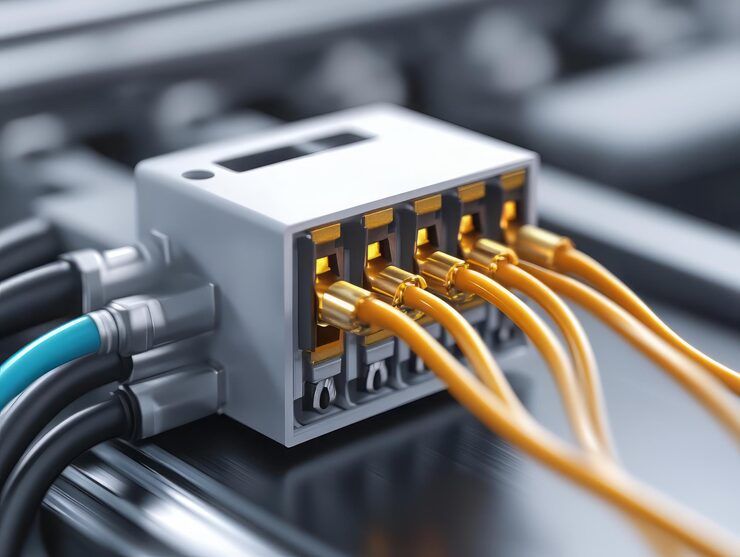
Electrical connectors play a key role in ensuring reliable and efficient system performance. As technology evolves, their importance continues to grow across industries.
They help in:
- Enabling safe and efficient power distribution
- Supporting high-speed data transmission
- Reducing installation complexity
- Improving maintenance efficiency
- Enhancing system reliability
Electrical connectors are widely used in:
- Consumer electronics (smartphones, laptops, appliances)
- Automotive systems (electric vehicles, sensors)
- Industrial automation (robotics, control panels)
- Renewable energy (solar panels, wind turbines)
- Telecommunications infrastructure
Without proper connectors, systems may face issues such as:
- Loose connections and power loss
- Signal interference
- Overheating risks
- Increased downtime
Recent Developments and Industry Trends
In 2025, electrical connector technology is advancing alongside modern electronics and energy systems. These developments focus on performance, sustainability, and efficiency.
Key trends include:
- Miniaturization for compact devices
- High-speed connectors for 5G and cloud systems
- Use of sustainable and recyclable materials
- Smart connectors with real-time monitoring
- High-voltage connectors for electric vehicles
Demand is also increasing in renewable energy projects, especially solar and battery storage systems. Automation and AI-driven manufacturing are improving precision and reducing defects.
Regulations, Standards, and Compliance
Electrical connectors must meet strict safety and performance standards. These regulations ensure reliability and reduce risks in electrical systems.
Key standards include:
- IEC (International Electrotechnical Commission)
- IS (Indian Standards)
- UL (Underwriters Laboratories)
- RoHS compliance
- IP (Ingress Protection) ratings
These standards focus on:
- Preventing electrical hazards
- Ensuring durability in various environments
- Maintaining compatibility across systems
Following these regulations helps ensure safe and consistent performance.
Tools and Resources for Electrical Connector Work
Proper tools are essential for installing and maintaining electrical connectors. They help ensure accuracy and long-term reliability.
Common tools include:
- Wire strippers and cutters
- Crimping tools
- Multimeters
- Connector pin extractors
- Cable testers
Digital Tools and Software
Modern electrical work also relies on digital tools for design and analysis.
These include:
- Electrical design software (CAD)
- Circuit simulation platforms
- Connector datasheets and guides
- Voltage drop calculators
Connector Types Comparison Table
| Connector Type | Application Area | Key Feature |
|---|---|---|
| USB Connector | Consumer electronics | High-speed data transfer |
| Terminal Block | Industrial wiring | Secure wire connection |
| Circular Connector | Industrial & automotive | Durable sealed design |
| Coaxial Connector | RF communication | Signal integrity |
| Board-to-Board | PCB connections | Compact and efficient |
Basic Installation Steps
Installing connectors correctly is important for performance and safety.
Steps include:
- Strip insulation from the wire
- Insert the wire into the connector
- Crimp securely using a tool
- Test with a multimeter
Proper installation reduces faults and ensures durability.
Frequently Asked Questions
What is the main function of an electrical connector?
An electrical connector joins circuits to allow safe transmission of power or signals. It ensures efficient and secure connections between components.
How do I choose the right connector type?
You should consider voltage, current rating, environment, size, and application. These factors determine compatibility and performance.
What are IP ratings in connectors?
IP ratings indicate protection against dust and water. Higher ratings mean better resistance in harsh environments.
Why is crimping important?
Crimping creates a strong mechanical and electrical connection. It reduces the risk of loose or faulty connections.
Can connectors affect signal quality?
Yes, poor-quality connectors can cause signal loss or interference. Proper installation and quality components are essential.
Additional Insights on Connector Selection
Choosing the right connector requires evaluating technical factors. These ensure efficiency and long-term reliability.
Important considerations include:
- Voltage and current capacity
- Environmental conditions
- Material durability
- Ease of installation
- System compatibility
Selection Priorities Table
| Selection Factor | Importance Level |
|---|---|
| Electrical Rating | High |
| Environmental Fit | High |
| Size and Design | Moderate |
| Installation Ease | Moderate |
Understanding these priorities helps reduce risks and improve system performance.
Conclusion
Electrical connectors are essential components in modern electrical and electronic systems. They provide safe, efficient, and flexible connectivity across industries.
With advancements in technology, connectors are becoming more compact and intelligent. Trends like automation, sustainability, and high-speed connectivity highlight their growing role.
By understanding connector types, standards, tools, and selection factors, users can ensure reliable and safe electrical systems.