EPS Recycling Machines Overview: Essential Facts, Technologies, and Industrial Applications
Expanded polystyrene, often shortened to EPS, is a lightweight foam material used in packaging, insulation, protective shipping inserts, and some food containers.
It is made from plastic beads that expand with heat and form a structure with a very high air content. Because of that structure, it is bulky when discarded and can fill storage space quickly.
EPS recycling machines are designed to help process this material after use. The equipment may compress, melt, shred, or pelletize foam waste so it takes up less room and can move through collection or recycling systems more efficiently. EPS Scrap Processing Machinery often includes more than one stage because loose foam is difficult to handle in its original form.
Why Recycling Equipment Exists
Loose EPS is difficult to store, transport, and sort. It breaks apart easily, occupies a lot of space, and can scatter during handling. For that reason, recycling systems were developed to reduce the volume of the waste and prepare it for further treatment.
Common equipment categories include the Automatic EPS Cold Compactor, the EPS Foam Melting Machine, and the Industrial EPS Densifier Machine. Each type handles the material in a different way, depending on the recycling goal and the facility layout.
How the Material Moves Through a System
In many facilities, EPS waste begins with collection and inspection. Clean material may then move to shredding, compaction, melting, or pelletizing. Some operations end with dense blocks that are easier to transport, while others continue into pellet production.
EPS Pelletizer Machine Manufacturers often design systems that connect with earlier processing stages. In larger installations, turnkey EPS recycling plant solutions may combine collection, sorting, densifying, melting, and pelletizing into one coordinated workflow.
Importance
Why EPS Recycling Matters
EPS is used widely, so waste streams can become large very quickly. Businesses that handle shipping, food packaging, electronics, appliances, or construction materials may generate significant quantities of foam waste. Without a practical method to manage it, the material can take up storage space and create handling problems.
Expanded Polystyrene Recycling Solutions address those problems by reducing volume and organizing material flow. That matters to logistics centers, warehouses, retail chains, industrial plants, and waste handling operations.
Support for Logistics and Warehousing
Logistics centers often receive protective packaging made from EPS. Because the material is light but bulky, it can build up quickly even when the actual mass is low. Waste Foam Densifier for Logistics Centers equipment helps address this by compressing foam before transport or further processing.
This makes warehouse waste areas easier to manage and can simplify collection planning. The same principle applies to distribution hubs, appliance warehouses, and packaging operations.
Environmental and Material Recovery Benefits
EPS is not biodegradable in the way that organic materials are, so waste systems often look for ways to recover or reduce it. Recycling machinery helps shift EPS away from simple disposal and toward reuse or compaction.
Some systems prepare the foam for conversion into pellets, while others densify it for transport to another processing site. That is one reason Commercial Styrofoam Recycling Equipment is used in organized recovery programs.
Industrial and Commercial Use Cases
EPS recycling affects many sectors:
- Retail packaging and distribution.
- Food storage and transport.
- Construction and insulation offcuts.
- Electronics and appliance packaging.
- Municipal waste handling.
- Industrial warehousing.
These uses show why equipment design must accommodate different waste volumes and collection patterns.
Operational Challenges
EPS waste has a low density and can be difficult to move without extra processing. It may contain dust, labels, tape, or other debris that needs to be removed before recycling.
Industrial facilities therefore often combine manual sorting with mechanized steps. The goal is to produce a cleaner and more manageable output for the next stage of the recycling chain.
Technologies Used in EPS Recycling
EPS Scrap Processing Machinery
EPS Scrap Processing Machinery covers the broad set of machines used to prepare foam waste for later treatment. This may include shredders, conveyors, compactors, bins, and feeding devices.
The equipment is selected according to the type of waste, the expected volume, and the final handling goal.
Automatic EPS Cold Compactor
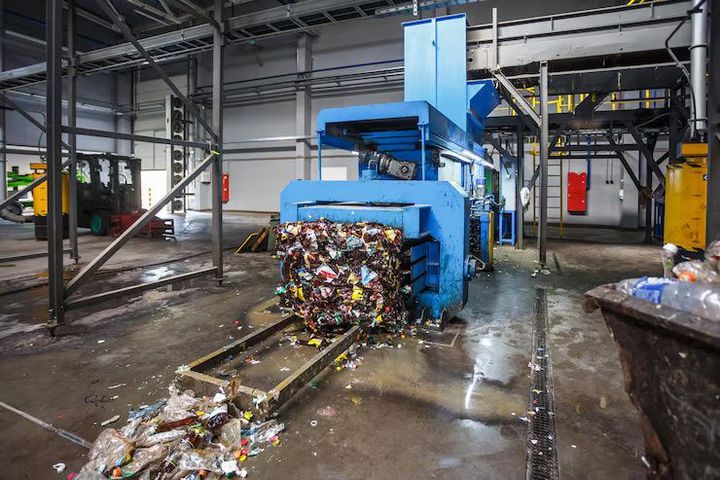
An Automatic EPS Cold Compactor compresses foam without using heat to melt it. The machine applies pressure to reduce volume and create denser material. This approach is useful when facilities want to keep the material solid while making it easier to store and transport.
Cold compaction is often selected in locations where foam waste accumulates gradually, such as retail and logistics environments.
EPS Foam Melting Machine
An EPS Foam Melting Machine uses heat to reduce the foam into a denser form. The process lowers the amount of space the waste occupies and may prepare it for further downstream handling. Heat-based systems need careful control because the material changes shape quickly under rising temperature.
Melting equipment is often chosen when a facility wants a compact output and has the right controls in place for safe operation.
Industrial EPS Densifier Machine
An Industrial EPS Densifier Machine reduces bulky foam into dense blocks or ingots. This makes the material easier to move and can help lower transportation volume. Densifiers are frequently used in recycling centers and larger industrial locations.
These machines are often part of a larger sorting and handling process rather than a standalone step.
EPS Pelletizer Machine Manufacturers
EPS Pelletizer Machine Manufacturers develop systems that convert processed material into pellets after earlier treatment stages. Pelletizing is a further processing step that may be used when the material is clean enough and the recycling route requires pellet output.
This type of equipment is part of more complex recovery lines and may not be used in every facility.
Commercial Styrofoam Recycling Equipment
Commercial Styrofoam Recycling Equipment is used in places that generate regular amounts of foam waste but may not operate at the scale of a large industrial plant. Examples include warehouses, food distribution centers, electronics depots, and retail backrooms.
These systems are designed to support organized and repeatable handling practices.
Comparison of Common EPS Recycling Technologies
| Equipment Type | Main Purpose | Typical Output |
|---|---|---|
| Automatic EPS Cold Compactor | Mechanical volume reduction | Dense compressed blocks |
| EPS Foam Melting Machine | Heat-based reduction | Melted or compacted output |
| Industrial EPS Densifier Machine | Storage and transport reduction | Dense ingots or blocks |
| EPS Pelletizer Machine system | Further processing into pellets | Pelletized material |
| EPS Scrap Processing Machinery | Multi-step waste handling | Prepared feedstock |
| Commercial Styrofoam Recycling Equipment | General foam waste handling | Managed recyclable output |
Recent Updates
More Automation in Waste Handling
Between 2024 and 2026, many recycling systems have added more digital controls and monitoring tools. Automatic EPS Cold Compactor systems and other equipment now more often include sensors, alarms, and control panels that support stable operation.
This helps operators monitor machine behavior and improve process consistency.
Wider Use in Distribution Networks
Waste Foam Densifier for Logistics Centers equipment has become more relevant as packaging volumes have grown. Warehouses, shipping hubs, and product distribution sites often need practical ways to reduce foam waste before it fills storage areas.
The use of compacting machinery in these settings reflects broader efforts to improve material handling.
Integration With Plant-Level Planning
turnkey EPS recycling plant solutions are increasingly designed as part of larger waste management and manufacturing systems. This means the recycling line may connect with sorting, storage, and transportation planning.
The focus is often on creating a clear workflow rather than using isolated machines.
Focus on Energy and Material Efficiency
Manufacturers continue refining heating, compression, and feeding systems so they can handle material more predictably. Better control may reduce wasted energy and improve the consistency of the output.
These improvements are part of a general trend across industrial processing equipment.
Laws or Policies
Waste Management Rules
In many countries, foam waste falls under broader waste management rules that address storage, collection, recycling, and disposal. EPS recycling machines are used within those systems to prepare material for approved handling routes.
The exact requirements differ by location and by the type of waste stream involved.
Environmental Regulations
Environmental rules may influence how foam waste is processed, stored, and transported. Facilities often need to follow local requirements related to waste volume reduction, recycling records, and material handling.
Expanded Polystyrene Recycling Solutions can help organizations work within those frameworks by reducing the bulk of collected foam.
Workplace Safety Standards
Recycling facilities use equipment with moving parts, heat, and compression systems. Safety rules usually require guard systems, operating instructions, and maintenance procedures to protect workers.
Industrial operators often rely on training and regular inspection routines when using EPS processing machinery.
Transport and Storage Requirements
Some regions have rules about how compacted or processed foam waste can be stored or moved. Dense output from EPS recycling machines may make storage easier, but local regulations still apply.
This can include labeling, sorting, and documentation depending on the waste category.
Tools and Resources
Material Tracking Software
Digital systems can record how much foam waste enters a facility and how much material is processed. These tools support better planning and reporting.
Maintenance Planning Platforms
Maintenance software helps organize inspections, machine checks, and component replacement schedules for recycling equipment.
Technical Standards Publications
Industry organizations and standards bodies publish guidance on material handling, machinery safety, and waste processing practices. These resources support consistent industrial work.
Facility Design Tools
Planning software is often used when setting up turnkey EPS recycling plant solutions. These tools help map conveyor routes, machine placement, and storage areas.
Training Materials
Operator manuals, safety documents, and process guides remain important for facilities that handle EPS waste. They explain machine steps, safety controls, and maintenance routines.
FAQs
What does EPS Scrap Processing Machinery do?
EPS Scrap Processing Machinery handles foam waste by reducing its volume and preparing it for transport, storage, or further recycling steps.
How does an Automatic EPS Cold Compactor work?
An Automatic EPS Cold Compactor uses mechanical force to compress foam without heat, turning loose material into denser blocks.
What is the role of an EPS Foam Melting Machine?
An EPS Foam Melting Machine uses heat to reduce foam volume and create a denser output that can be handled more easily.
Why is a Waste Foam Densifier for Logistics Centers useful?
A Waste Foam Densifier for Logistics Centers helps compress packaging foam so it takes up less storage space and is easier to move.
What are turnkey EPS recycling plant solutions?
turnkey EPS recycling plant solutions combine several stages of foam handling, such as sorting, compaction, melting, or pelletizing, into one organized facility layout.
Conclusion
EPS recycling machines help manage bulky foam waste in a more organized way. Equipment such as Industrial EPS Densifier Machine systems, Commercial Styrofoam Recycling Equipment, and EPS Pelletizer Machine Manufacturers' systems support different stages of the recycling process. Recent developments have emphasized automation, digital monitoring, and more coordinated plant layouts. Understanding these technologies helps explain how expanded polystyrene waste can be handled more efficiently in many industrial and commercial settings.