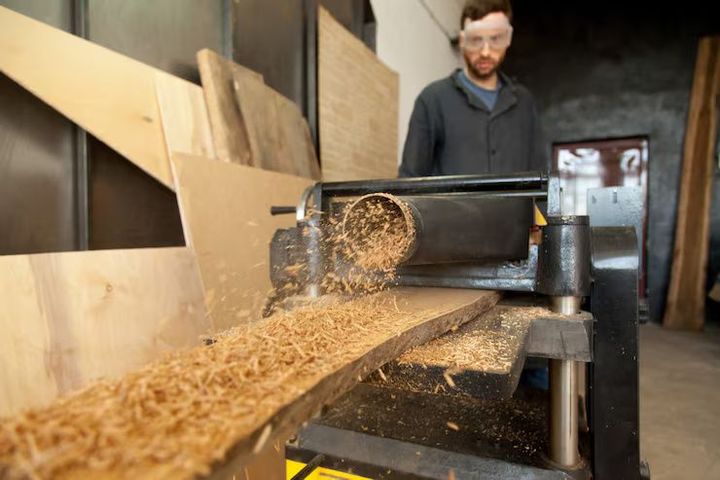
Explore Ecostan Wood Powder Machine Insights Today
Wood powder machines are industrial systems designed to process wood waste, sawdust, wooden chips, and biomass materials into fine powder. These machines are commonly used in industries connected to biomass energy, eco-friendly manufacturing, recycled materials, and industrial processing.
The concept of wood powder production developed as industries searched for better ways to manage wood waste. Traditional disposal methods often created environmental concerns, including landfill accumulation and uncontrolled burning. Over time, manufacturers introduced advanced grinding and pulverizing systems that could convert waste wood into reusable material.
Today, wood powder processing technology is connected with several industrial sectors such as:
- Biomass fuel production
- Wood composite manufacturing
- Agricultural processing
- Eco-friendly packaging materials
- Industrial heating systems
- Activated carbon preparation
The growing focus on sustainability has increased interest in biomass machinery and wood recycling systems. Modern machines are designed to improve energy efficiency, reduce material loss, and support cleaner production practices.
Common Materials Processed in Wood Powder Machines
| Material Type | Common Industrial Use |
|---|---|
| Sawdust | Biomass fuel processing |
| Wood chips | Fine powder production |
| Bamboo waste | Renewable material processing |
| Coconut shell | Activated carbon applications |
| Agricultural residue | Biofuel preparation |
| Wooden pallets | Recycling operations |
Why Wood Powder Machines Matter Today
Industrial waste management has become an important global concern. Wood powder machines help industries convert leftover wood materials into reusable resources instead of treating them as waste.
This technology matters because many industries are now working toward:
- Lower industrial waste generation
- Improved recycling practices
- Cleaner energy alternatives
- Reduced environmental impact
- Better resource utilization
The rise of biomass fuel systems has also increased the importance of wood powder processing equipment. Fine wood powder is often used in pellet manufacturing and biomass briquette preparation, which are considered alternatives to traditional fossil fuels.
Industries affected by this technology include:
- Furniture manufacturing
- Construction material processing
- Biomass energy plants
- Agricultural industries
- Packaging sectors
- Paper and pulp operations
Environmental Impact and Sustainability Benefits
One major advantage of wood powder technology is its contribution to circular manufacturing systems. Instead of discarding leftover wood materials, industries can reuse them for productive applications.
Some environmental benefits include:
- Reduction in landfill waste
- Better utilization of renewable materials
- Lower dependence on raw wood harvesting
- Support for biomass energy production
- Improved industrial recycling efficiency
The increasing attention toward carbon reduction strategies has encouraged many industries to examine biomass-based processing systems more closely.
Wood Powder Processing Workflow
Although machine configurations differ, most systems follow a similar workflow:
| Processing Stage | Purpose |
|---|---|
| Material Feeding | Raw biomass enters machine |
| Crushing Process | Large particles reduced |
| Grinding Stage | Fine powder formation |
| Screening | Uniform particle separation |
| Collection System | Powder storage and handling |
Automation and digital monitoring technologies are now improving operational consistency in modern industrial environments.
Recent Trends and Developments in 2025
The past year has seen several developments in biomass and industrial recycling technologies. During 2025, many manufacturers focused on improving machine efficiency, dust management systems, and energy optimization features.
Some major trends include:
Increased Focus on Biomass Energy
Countries promoting renewable energy are paying more attention to biomass processing systems. Wood powder production is increasingly connected with pellet fuel manufacturing and industrial heating applications.
Smarter Industrial Monitoring
Modern processing systems are now integrating:
- Digital control panels
- Sensor-based monitoring
- Automated feeding systems
- Energy tracking features
These upgrades help industries improve operational consistency and reduce unnecessary energy consumption.
Growth in Sustainable Manufacturing
Environmental regulations and sustainability targets have encouraged industries to adopt cleaner material processing methods. Recycled wood materials are becoming more important in packaging and engineered wood production.
Improved Dust Control Technologies
Industrial dust management remains an important issue in biomass processing. New filtration systems and enclosed grinding chambers introduced during 2025 aim to improve workplace safety and environmental compliance.
Expansion of Agricultural Biomass Applications
Many industries are now experimenting with agricultural residue materials such as:
- Rice husk
- Coconut shell
- Groundnut shell
- Corn stalk waste
This expansion reflects broader interest in renewable industrial raw materials.
Global Biomass Industry Growth Overview
| Year | Key Industry Trend |
|---|---|
| 2023 | Rising biomass awareness |
| 2024 | Increased recycling initiatives |
| 2025 | Smart automation integration |
Regulations and Government Policies
Wood powder processing systems are affected by industrial safety rules, environmental standards, and waste management regulations. Different countries apply different frameworks depending on their environmental goals and industrial development strategies.
Environmental Compliance Standards
Many governments now require industries to follow air pollution and dust emission guidelines. Biomass processing facilities may need:
- Dust collection systems
- Noise reduction measures
- Waste handling procedures
- Industrial ventilation standards
Renewable Energy Programs
Several countries continue supporting renewable energy development through biomass initiatives. These programs often encourage industries to use recycled organic materials instead of relying entirely on fossil fuels.
Waste Recycling Policies
Wood waste recycling policies are becoming stricter in some regions. Industrial operators are encouraged to reduce landfill dependency and improve material recovery systems.
Worker Safety Regulations
Industrial machinery operations must usually follow workplace safety standards related to:
- Protective equipment
- Fire prevention systems
- Machine guarding
- Emergency shutdown procedures
India’s Growing Biomass Focus
In India, biomass and renewable energy initiatives have received increasing attention through national sustainability programs and industrial waste management discussions. Biomass technologies are frequently connected with cleaner energy goals and agricultural waste utilization efforts.
Helpful Tools and Learning Resources
Several tools and resources can help professionals understand biomass processing and wood powder production systems more effectively.
Industrial Monitoring Tools
Common monitoring systems include:
- Temperature monitoring devices
- Moisture measurement tools
- Particle size analyzers
- Energy consumption trackers
Digital Design Software
Industrial engineers often use design and planning software to optimize factory layouts and processing efficiency.
Maintenance Tracking Systems
Maintenance management platforms help operators monitor:
- Equipment performance
- Inspection schedules
- Spare component tracking
- Machine operating hours
Online Learning Platforms
Educational resources about biomass technology and industrial recycling now include:
- Technical training modules
- Industrial safety guides
- Equipment operation tutorials
- Renewable energy courses
Industrial Calculation Resources
Useful calculators often include:
| Tool Type | Purpose |
|---|---|
| Biomass Calculator | Material efficiency estimation |
| Energy Consumption Tool | Power usage analysis |
| Moisture Analyzer | Raw material evaluation |
| Production Estimator | Output planning |
These resources help industries improve operational understanding and planning efficiency.
Frequently Asked Questions
What is a wood powder machine used for?
A wood powder machine processes wood waste and biomass materials into fine powder for industrial applications such as biomass fuel preparation, recycling, and manufacturing.
Which materials can be processed in these machines?
Common materials include sawdust, bamboo waste, wooden chips, coconut shell, agricultural residue, and recycled wooden materials.
Why is biomass processing becoming more important?
Biomass processing supports renewable energy goals, waste reduction strategies, and sustainable industrial practices. Many industries are exploring biomass as part of environmental improvement efforts.
Are wood powder machines connected with recycling industries?
Yes. These machines are widely connected with recycling systems because they help convert leftover wood materials into reusable industrial resources.
What safety factors are important in biomass processing?
Important safety considerations include dust control systems, proper ventilation, machine guarding, fire prevention measures, and regular equipment maintenance.
Conclusion
Wood powder machines have become an important part of modern biomass processing and industrial recycling systems. Their role extends beyond simple grinding operations because they support resource efficiency, sustainable manufacturing, and renewable material utilization.
As industries continue focusing on environmental responsibility and cleaner production methods, biomass technologies are expected to remain relevant in many sectors. Recent developments in automation, dust control, and energy efficiency also show how industrial processing systems are evolving to meet changing operational and environmental expectations.