Explore Marine Propulsion Systems: Complete Guide and Overview
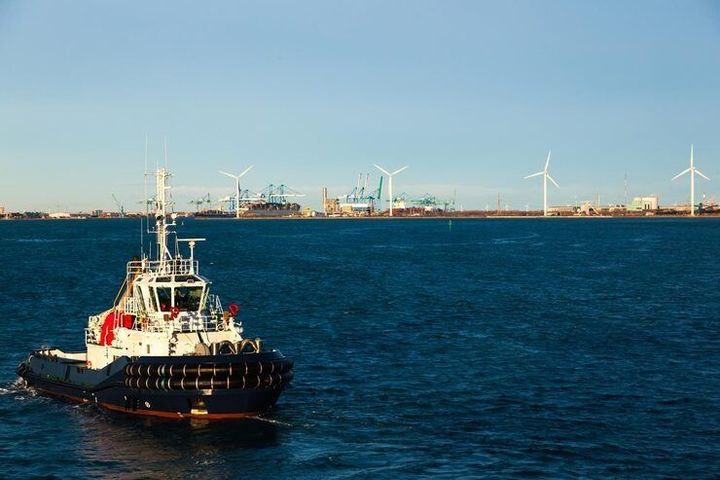
Marine propulsion systems are the technologies that move ships, boats, submarines, and other watercraft through water. From small recreational vessels to large cargo ships, these systems convert energy into thrust, allowing vessels to travel efficiently across rivers, lakes, seas, and oceans. Understanding marine propulsion systems helps explain how modern maritime transportation supports global trade, tourism, fishing, defense, and scientific research.
This complete guide provides an overview of marine propulsion systems, including their purpose, common types, recent developments, regulations, and useful learning resources. Whether you are a student, maritime enthusiast, or simply curious about ship technology, learning the basics of marine propulsion offers valuable insight into one of the world's most important transportation technologies.
Context
Marine propulsion refers to the method used to generate the force that moves a vessel through water. A propulsion system includes the engine or power source, transmission components, propeller or waterjet, and control mechanisms that work together to produce forward or reverse motion.
Throughout history, marine propulsion has evolved significantly. Early vessels relied on human rowing and wind-powered sails. The Industrial Revolution introduced steam-powered engines, followed by diesel engines during the twentieth century. Today, modern ships may use diesel-electric systems, gas turbines, liquefied natural gas (LNG), batteries, fuel cells, and hybrid propulsion technologies.
The primary purpose of marine propulsion systems is to provide safe, efficient, and reliable movement while meeting operational requirements for different types of vessels.
Common Types of Marine Propulsion Systems
Several propulsion technologies are used depending on vessel size and operational needs.
| Propulsion System | Typical Application | Main Advantage |
|---|---|---|
| Diesel Engine | Cargo ships, ferries | High efficiency and reliability |
| Diesel-Electric | Cruise ships, research vessels | Flexible power distribution |
| Gas Turbine | Naval vessels | High power-to-weight ratio |
| Electric Propulsion | Ferries, short-distance vessels | Lower emissions during operation |
| Hybrid Propulsion | Passenger and workboats | Improved fuel efficiency |
| Waterjet Propulsion | Fast boats | Excellent maneuverability |
| Sail-Assisted Systems | Commercial and research vessels | Reduced fuel consumption |
Each propulsion method is selected based on vessel size, speed requirements, operating environment, and energy efficiency goals.
Importance
Marine propulsion systems are essential to global transportation and maritime operations. Approximately 80 percent of international trade by volume is transported by sea, making efficient propulsion technology critical for the movement of goods around the world.
Reliable propulsion systems support many industries, including:
- Commercial shipping
- Passenger transportation
- Fishing
- Offshore energy operations
- Naval defense
- Scientific research
- Emergency response
- Recreational boating
Efficient propulsion also contributes to lower fuel consumption, improved operational performance, and reduced environmental impact. Engineers continually improve propulsion technologies to increase safety while lowering emissions and energy use.
People who benefit from understanding marine propulsion include students, marine engineers, ship operators, naval architects, environmental researchers, policymakers, and anyone interested in maritime technology.
Recent Updates
Between 2024 and 2026, marine propulsion systems have continued to evolve as the maritime industry works toward reducing greenhouse gas emissions and improving energy efficiency.
Several important developments include:
- Increased adoption of hybrid propulsion systems for ferries and coastal vessels.
- Continued research into hydrogen-powered and ammonia-powered marine engines.
- Expansion of battery-electric propulsion for short-distance passenger transport.
- Improved digital monitoring systems that optimize engine performance in real time.
- Greater use of wind-assisted propulsion technologies to reduce fuel consumption.
- Development of advanced propeller designs that improve efficiency and reduce underwater noise.
Artificial intelligence and predictive maintenance technologies are also becoming more common. These systems analyze engine performance, vibration, fuel usage, and operating conditions to identify maintenance needs before mechanical failures occur.
Shipbuilders are increasingly integrating digital control systems with propulsion equipment, helping operators improve voyage planning, fuel efficiency, and equipment reliability.
Laws or Policies
Marine propulsion systems operate under international and national regulations that promote safety, environmental protection, and operational standards.
One of the most important regulatory organizations is the International Maritime Organization (IMO), which develops international conventions covering ship safety, pollution prevention, and emissions.
Key regulatory areas include:
- Air emission standards for marine engines
- Fuel quality requirements
- Energy efficiency measures for ships
- Marine pollution prevention
- Vessel safety standards
- Engine certification requirements
Many countries also maintain national maritime administrations that oversee vessel inspections, engine compliance, and operational safety within their jurisdictions.
Environmental Standards
Recent environmental policies encourage cleaner propulsion technologies by reducing sulfur emissions, nitrogen oxide emissions, and greenhouse gas output from commercial shipping.
Manufacturers continue developing cleaner engines and alternative fuel technologies that help vessels comply with evolving international environmental standards while supporting sustainable maritime operations.
Tools and Resources
Many educational and technical resources help students and professionals understand marine propulsion systems.
Useful resources include:
- International maritime organization publications
- Maritime administration guidance documents
- Marine engineering textbooks
- Naval architecture educational platforms
- Ship energy efficiency calculators
- Marine fuel consumption calculators
- Vessel performance monitoring software
- Maritime training institutions
- Technical standards published by classification societies
Simulation software is also widely used in maritime education. These platforms allow users to study propulsion performance, ship maneuvering, fuel efficiency, and engine operations in virtual environments without operating an actual vessel.
Educational videos, digital manuals, and engineering reference materials further support learning about propulsion technologies, maintenance practices, and environmental compliance.
FAQs
What is a marine propulsion system?
A marine propulsion system is the combination of equipment that generates and transfers power to move a vessel through water safely and efficiently.
Which propulsion system is most commonly used?
Diesel engine propulsion remains the most widely used system for commercial shipping because of its efficiency, durability, and ability to operate over long distances.
What is hybrid marine propulsion?
Hybrid propulsion combines two or more power sources, such as diesel engines and batteries, to improve fuel efficiency and reduce emissions under different operating conditions.
Why are alternative fuels becoming important?
Alternative fuels such as hydrogen, ammonia, and liquefied natural gas are being studied and adopted to help reduce emissions and support international environmental objectives.
How do marine propulsion systems improve efficiency?
Modern propulsion systems improve efficiency through advanced engine design, optimized propellers, digital monitoring, automated controls, and improved energy management technologies.
Conclusion
Marine propulsion systems are fundamental to modern maritime transportation, supporting commercial shipping, passenger travel, research, and defense activities around the world. Continuous advances in propulsion technology are improving efficiency, environmental performance, and operational reliability. As cleaner energy sources and digital technologies continue to develop, marine propulsion will remain an important area of innovation within the global maritime industry. Understanding these systems provides valuable knowledge about how ships move safely and efficiently across the world's waterways.