Explore Pressure Transmitter Technology and Industrial Uses
Pressure transmitter technology plays an important role in modern industrial operations. It is widely used to measure pressure in liquids, gases, and steam, helping organizations monitor processes accurately and maintain operational efficiency. A pressure transmitter converts physical pressure into an electrical signal that can be interpreted by control systems and monitoring equipment.
From manufacturing facilities to water treatment plants, pressure transmitters are used in a variety of environments. As industries continue to adopt automation and digital monitoring systems, these devices have become an essential component of process control. Understanding how pressure transmitter technology works can help individuals and organizations better appreciate its role in industrial applications.
Context – What Is a Pressure Transmitter?
A pressure transmitter is an electronic instrument designed to measure pressure and convert the measurement into a standardized output signal. This signal is then transmitted to control systems, displays, or data acquisition platforms.
The technology evolved alongside industrial automation systems, where accurate pressure measurement became necessary for safe and efficient operations. Early pressure measurement methods relied on mechanical gauges, while modern pressure transmitters provide digital communication and improved accuracy.
Main Components of a Pressure Transmitter
- Pressure sensing element
- Signal conditioning circuit
- Electronic transmitter module
- Output communication interface
- Protective housing
Pressure transmitters are commonly used to measure:
- Gauge pressure
- Absolute pressure
- Differential pressure
- Vacuum pressure
How Pressure Transmitters Work
The sensing element detects pressure changes within a system. These changes are converted into an electrical signal, which is processed and transmitted to monitoring equipment. Operators can then analyze the data and make adjustments when necessary.
Importance – Why It Matters and Who It Affects
Pressure transmitter technology supports many industries by providing reliable process information. Accurate pressure monitoring helps maintain stable operations and contributes to equipment performance.
Industries that frequently use pressure transmitters include:
- Oil and gas
- Chemical processing
- Water and wastewater treatment
- Food and beverage production
- Pharmaceutical manufacturing
- Power generation
- HVAC systems
The benefits of pressure transmitter technology include:
- Improved process monitoring
- Better operational efficiency
- Enhanced workplace safety
- Reduced equipment stress
- More accurate industrial data collection
Pressure transmitters also support predictive maintenance programs. By monitoring pressure trends over time, organizations can identify unusual conditions before they become significant operational issues.
Recent Updates – Trends and Developments from 2024–2026
The period from 2024 to 2026 has seen continued advancement in industrial sensor technology. Pressure transmitters are becoming smarter, more connected, and better integrated with digital industrial systems.
Some notable developments include:
- Increased adoption of Industrial Internet of Things (IIoT) platforms
- Enhanced wireless communication capabilities
- Greater use of cloud-based monitoring systems
- Improved sensor accuracy and stability
- Expanded cybersecurity features for connected devices
Many manufacturers are introducing smart pressure transmitters capable of self-diagnostics. These systems can detect calibration drift, communication issues, and abnormal operating conditions.
Another significant trend is the integration of artificial intelligence and analytics platforms. Industrial facilities are using pressure data alongside temperature, flow, and vibration measurements to gain deeper operational insights.
Digital Transformation in Pressure Monitoring
Modern pressure transmitter systems often communicate through digital protocols such as:
- HART
- Modbus
- PROFIBUS
- EtherNet/IP
These communication methods support real-time monitoring and improve data accessibility across industrial networks.
Laws or Policies – Relevant Rules, Regulations, or Government Policies
Pressure transmitter installation and operation are often influenced by safety and industrial regulations. The exact requirements vary by country, industry, and application.
Common regulatory areas include:
| Regulatory Area | Purpose |
|---|---|
| Workplace Safety Standards | Protect workers from hazardous conditions |
| Industrial Equipment Regulations | Ensure equipment reliability and compliance |
| Environmental Regulations | Monitor emissions and process control systems |
| Electrical Safety Requirements | Reduce electrical hazards |
| Quality Management Standards | Support consistent industrial processes |
Organizations often follow internationally recognized standards and frameworks when selecting and maintaining pressure transmitters.
Examples include:
- ISO quality management standards
- IEC electrical and automation standards
- Industry-specific safety guidelines
- Environmental monitoring requirements
Facilities operating in regulated industries may also be required to maintain calibration records and inspection documentation for pressure measurement devices.
Tools and Resources – Useful Websites, Calculators, Templates, or Platforms
Several tools and resources help engineers, technicians, and students understand pressure transmitter technology.
Useful resources include:
- National Institute of Standards and Technology (NIST) reference materials
- International Organization for Standardization (ISO) publications
- IEC technical documentation
- Engineering calculation platforms
- Industrial automation learning portals
Common tools used alongside pressure transmitters include:
| Tool Type | Purpose |
| Calibration Software | Verify measurement accuracy |
| Pressure Conversion Calculators | Convert units such as bar, psi, and kPa |
| Data Logging Platforms | Store and analyze measurement data |
| Device Configuration Software | Configure transmitter settings |
| Asset Management Systems | Monitor equipment performance |
Educational resources, technical manuals, and manufacturer documentation can also help users understand installation, operation, and maintenance requirements.
FAQs
What is the primary purpose of a pressure transmitter?
A pressure transmitter measures pressure and converts it into an electrical signal that can be transmitted to monitoring or control systems.
Where are pressure transmitters commonly used?
They are commonly used in manufacturing, oil and gas operations, water treatment facilities, power plants, pharmaceutical production, and HVAC systems.
What is the difference between a pressure gauge and a pressure transmitter?
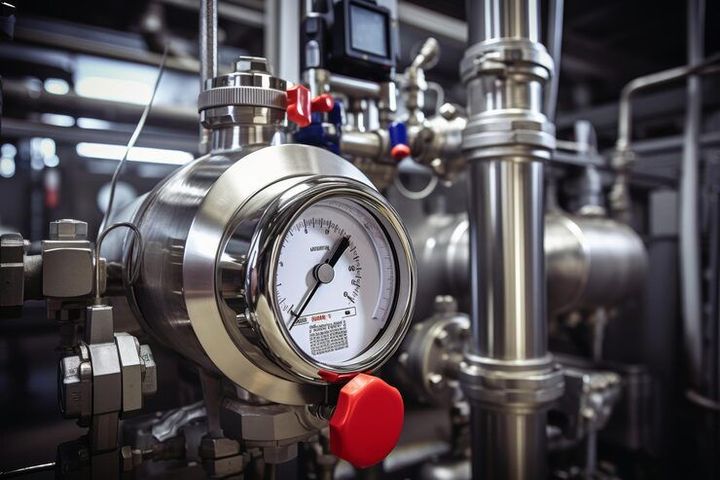
A pressure gauge provides a local visual reading, while a pressure transmitter sends pressure data electronically to monitoring and control systems.
Why is calibration important for pressure transmitters?
Calibration helps ensure measurement accuracy and allows the device to provide reliable pressure readings over time.
How do smart pressure transmitters differ from traditional models?
Smart pressure transmitters include digital communication, self-diagnostic capabilities, advanced configuration options, and improved integration with industrial automation systems.
Conclusion
Pressure transmitter technology remains a fundamental part of industrial measurement and control systems. These devices provide accurate pressure data that supports safe, efficient, and reliable operations across many industries. Recent advancements in digital communication, automation, and industrial connectivity have expanded their capabilities significantly. As industrial systems continue to evolve, pressure transmitters will remain important tools for monitoring processes and supporting informed operational decisions. Understanding their functions, applications, and regulatory considerations helps users make effective use of this essential technology.