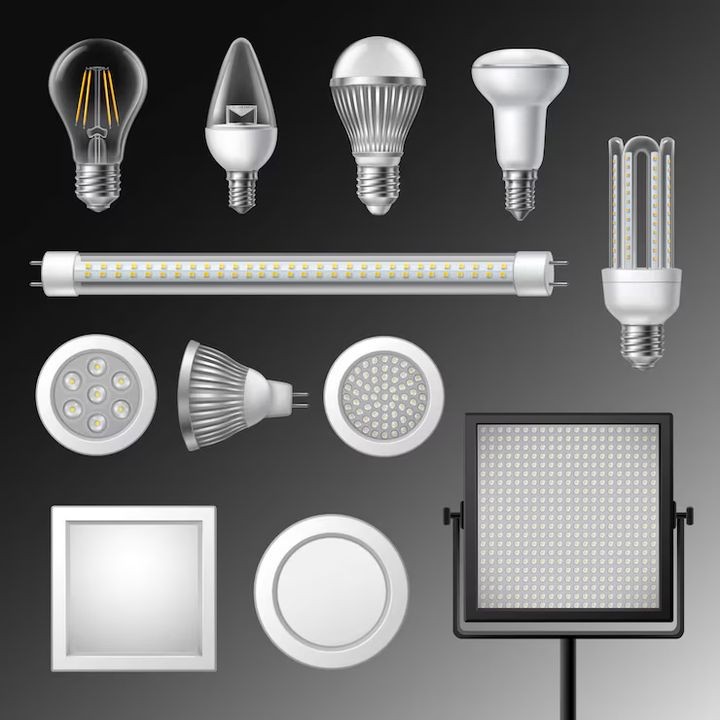
Exploring LED Lighting: Facts, Details, and Key Information to Understand Better
Light plays an essential role in daily life, from indoor environments to public spaces and digital devices. Over time, lighting technology has changed significantly, moving from traditional incandescent bulbs to more advanced systems. One widely used modern technology is LED lighting, which stands for light-emitting diode lighting. Understanding LED lighting helps people learn how modern illumination systems work and how they differ from older lighting technologies.
LED lighting originated from developments in semiconductor technology. A light-emitting diode produces light when an electrical current passes through a semiconductor material. Instead of heating a filament, as incandescent bulbs do, LEDs create light through a process called electroluminescence. This process converts electrical energy into visible light more directly.
Early versions of LEDs were mainly used as indicator lights in electronic devices such as calculators and control panels. As the technology improved, LEDs became capable of producing brighter and more varied colors of light. Over time, engineers developed white LED lighting suitable for homes, offices, streets, and industrial environments.
Today, LED lighting is found in many everyday applications, including household lamps, vehicle headlights, digital displays, streetlights, and architectural lighting systems. The development of LED lighting reflects broader progress in energy-efficient technologies and modern electronics.
Understanding the facts and details about LED lighting allows readers to better understand how modern lighting systems function and how they compare with earlier lighting solutions.
Importance
Lighting technology affects many aspects of daily life, including energy use, environmental impact, and indoor comfort. LED lighting has gained attention because it represents a shift in how artificial light is produced and distributed.
One important aspect of LED lighting is its energy efficiency. Compared with older lighting systems such as incandescent and fluorescent lamps, LEDs convert a higher portion of electricity into visible light rather than heat. This characteristic contributes to reduced electricity consumption in many environments.
LED lighting also influences infrastructure and urban design. Many cities have gradually replaced traditional streetlights with LED-based systems. These systems allow municipalities to manage lighting more efficiently and adjust brightness levels according to traffic conditions or time of day.
For households and workplaces, LED lighting contributes to longer operating life compared with older bulb technologies. Longer operational lifespan means lighting systems require replacement less frequently, which reduces maintenance efforts in large buildings or public installations.
Environmental considerations also play a role in the importance of LED lighting. Traditional incandescent bulbs produce substantial heat, and some fluorescent lamps contain mercury. LED lighting operates differently and does not require mercury components, which changes how lighting technologies interact with environmental management systems.
LED lighting also supports modern digital infrastructure. Many smart lighting systems rely on LED technology because it can respond quickly to electronic controls. This enables features such as dimming, automation, and integration with smart home systems.
Comparison of Common Lighting Technologies
| Lighting Type | Typical Lifespan (Hours) | Energy Efficiency | Heat Production | Common Applications |
|---|---|---|---|---|
| Incandescent Bulb | 1,000 | Low | High | Traditional household lamps |
| Halogen Lamp | 2,000–4,000 | Moderate | High | Accent lighting, vehicle lights |
| Fluorescent Lamp | 7,000–15,000 | Moderate to High | Moderate | Offices, commercial spaces |
| LED Lighting | 25,000–50,000+ | High | Low | Homes, streetlights, electronics |
This comparison illustrates how LED lighting differs from older technologies in lifespan, energy efficiency, and heat production.
Recent Updates
Between 2024 and 2026, developments in LED lighting have focused on efficiency improvements, smart integration, and broader adoption in infrastructure projects.
One notable trend involves smart lighting systems. Many LED lighting products now integrate with digital platforms that allow remote control through mobile applications or home automation systems. These systems can adjust brightness levels, schedules, and color temperatures based on user preferences or environmental conditions.
Another development relates to human-centric lighting. Researchers have explored lighting systems that adjust color temperature throughout the day to mimic natural daylight cycles. This concept aims to create indoor lighting environments that better align with human circadian rhythms.
Advances in LED chip design have also contributed to improved luminous efficiency. Engineers continue to refine semiconductor materials and manufacturing techniques, which allows LEDs to produce more light from the same amount of electrical power.
In urban infrastructure, many municipalities around the world have expanded LED street lighting programs. These projects often involve replacing older sodium vapor lamps with LED fixtures that can be managed through centralized control systems. Such systems can adjust brightness in response to traffic levels or environmental sensors.
Another emerging trend involves micro-LED and mini-LED technologies used in digital displays and televisions. These technologies use very small LED elements to create high-resolution screens with improved brightness and contrast.
Overall, current trends suggest that LED lighting continues to evolve alongside developments in electronics, automation, and energy management.
Laws or Policies
Lighting technologies are influenced by energy efficiency policies and environmental regulations in many countries. Governments often establish standards to encourage the adoption of more efficient lighting systems.
In India, energy efficiency programs have played an important role in the spread of LED lighting. One widely recognized initiative is the Energy Efficiency Services Limited program known as UJALA Scheme. This initiative aims to increase the use of energy-efficient lighting in households by promoting LED adoption across the country.
India’s national policies also involve the Bureau of Energy Efficiency, which develops energy performance standards and labeling programs. These standards help guide manufacturers and consumers regarding the efficiency levels of lighting products.
Another regulatory influence comes from global environmental agreements focused on reducing energy consumption and greenhouse gas emissions. Lighting technology improvements contribute to these broader environmental objectives by reducing electricity demand in residential, commercial, and public infrastructure.
Many countries have also introduced efficiency standards that gradually phase out older lighting technologies such as traditional incandescent bulbs. These policies encourage the use of alternatives like LED lighting that require less electricity for the same level of illumination.
Regulatory frameworks vary by country, but most policies share common goals: improving energy efficiency, reducing environmental impact, and supporting technological innovation in lighting systems.
Tools and Resources
Several digital tools and informational platforms help individuals and organizations understand LED lighting technologies and energy efficiency.
Online Energy Calculators
Energy calculators help estimate electricity usage based on lighting type and operating hours. These tools allow users to compare different lighting technologies and understand how changes in lighting systems may affect energy consumption.
Examples include resources provided by organizations such as the International Energy Agency and national energy efficiency agencies.
Lighting Design Software
Lighting design platforms help engineers and architects plan illumination systems for buildings and outdoor environments. These tools simulate brightness levels, light distribution, and fixture placement.
Commonly used programs include:
- DIALux – used for modeling indoor and outdoor lighting layouts
- Relux – supports lighting calculations for architectural planning
These tools assist in visualizing how LED lighting performs in real environments before installation.
Educational Websites and Standards Organizations
Several organizations provide technical information and guidelines related to lighting systems. Examples include:
- Illuminating Engineering Society – publishes lighting design recommendations
- International Commission on Illumination – develops international lighting standards and measurement methods
These platforms provide research papers, technical documentation, and educational materials related to lighting science.
FAQs
What is LED lighting and how does it work?
LED lighting refers to illumination produced by light-emitting diodes. When electricity flows through a semiconductor material inside the diode, electrons release energy in the form of visible light. This process differs from incandescent lighting, which produces light by heating a filament.
Why is LED lighting widely used today?
LED lighting is widely used because it converts electrical energy into light more efficiently than many older lighting technologies. It also generates less heat and often operates for a longer period before replacement is needed.
Where is LED lighting commonly used?
LED lighting appears in many environments, including homes, offices, streetlights, vehicle headlights, televisions, and electronic displays. It is also used in architectural lighting, signage, and smart home lighting systems.
How does LED lighting compare with fluorescent lighting?
LED lighting generally produces light through semiconductor technology, while fluorescent lighting relies on gas discharge and phosphor coatings. LEDs typically have longer operating lifespans and respond quickly to electronic controls, which allows integration with digital lighting systems.
Can LED lighting change color or brightness?
Yes. Many LED lighting systems can adjust brightness and color temperature through electronic controls. Some systems allow users to change lighting conditions through mobile applications or smart home platforms.
Conclusion
LED lighting represents an important development in modern illumination technology. It uses semiconductor materials to produce light through electroluminescence rather than heated filaments or gas discharge systems. This technology has become widely used in homes, cities, and electronic devices.
Advances in LED design, smart lighting integration, and energy efficiency programs have contributed to its widespread adoption. Government policies and international standards also influence how LED lighting technologies develop and spread across different regions.
Understanding the facts and details behind LED lighting helps readers recognize how modern lighting systems function and how they continue to evolve alongside technological progress.