Exploring Plastic Innovation: A Guide to the Machinery Shaping the Future
Plastic innovation is the process by which new materials, manufacturing methods and machinery advance the way plastics are produced and used. At its core, plastic innovation in machinery exists because shifting demands—such as better performance, lower environmental impact and higher manufacturing efficiency—have driven the plastics industry to evolve. Over the decades, plastics manufacturing moved from rudimentary moulding and extrusion machines to highly sophisticated equipment incorporating robotics, automation and digital controls.
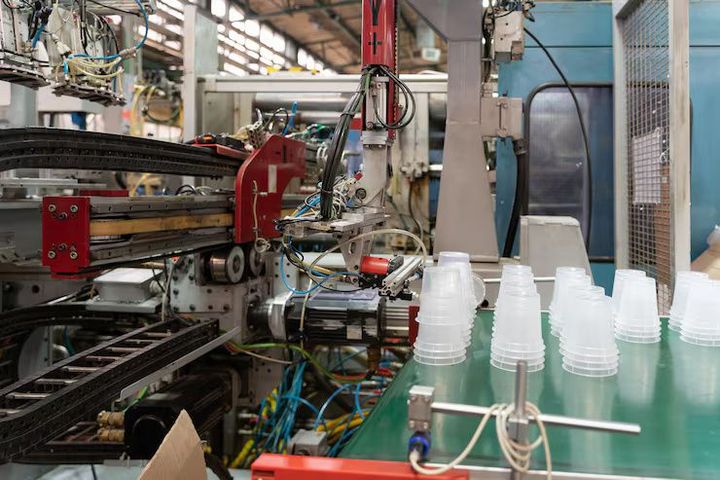
Plastic innovation machinery includes equipment such as injection moulding machines, blow-moulding systems, extrusion lines, and recycling units that transform raw polymers into finished products. As plastic production has increased globally, the demand for advanced machinery capable of handling new materials and recycling processes has also grown.
Modern plastic machinery is no longer limited to production—it plays a key role in sustainability, automation, and circular economy systems. These machines are designed to improve efficiency, reduce waste, and support environmentally responsible manufacturing.
Importance of Plastic Innovation Machinery
Plastic machinery is essential in today’s manufacturing landscape because it connects production efficiency with sustainability goals. It impacts manufacturers, recyclers, policymakers, and consumers.
It also reflects broader industrial trends such as automation, digitalization, and resource optimization.
Key Reasons for Importance
- Improve production efficiency with faster cycles and reduced waste
- Enable processing of recycled and biodegradable plastics
- Support innovative product designs and lightweight materials
- Facilitate circular economy practices through recycling systems
- Enhance competitiveness in global manufacturing
These machines contribute to resource conservation and reduced environmental impact.
Recent Updates in Plastic Machinery (2024–2025)
Recent developments show how plastic machinery is becoming smarter, more flexible, and environmentally focused.
Automation and AI Integration
Machines now incorporate robotics for tasks like part removal, inspection, and packaging, improving precision and reducing human error.
Sustainability-Focused Innovations
New systems are designed to process recycled plastics, biodegradable materials, and mixed waste streams efficiently.
Smart Controls and IoT Systems
Real-time monitoring, predictive maintenance, and energy optimization are now standard features in advanced machinery.
Advanced Materials Processing
Machines are being adapted to handle bio-based plastics and support chemical recycling technologies.
Market Growth and Regional Trends
The global plastic machinery market continues to grow, with Asia-Pacific leading due to manufacturing expansion.
Key Trends Overview
| Trend (2024–2025) | Description |
|---|---|
| Automation & AI | Robotics and precision manufacturing |
| Sustainability | Recycling and biodegradable material processing |
| IoT Integration | Real-time monitoring and predictive maintenance |
| Advanced Materials | Bio-based and recyclable plastics handling |
| Market Growth | Expansion in global manufacturing demand |
Laws and Policies
Plastic machinery is influenced by environmental, safety, and industrial regulations.
Environmental Regulations
Governments enforce policies to reduce plastic waste, promote recycling, and encourage biodegradable materials.
Machine Safety Standards
Machinery must comply with safety directives such as the EU Machine Directive and workplace safety regulations.
Trade and Manufacturing Policies
Import/export rules and certifications affect machinery distribution, especially in developing economies.
Circular Economy Initiatives
Governments support recycling infrastructure and advanced machinery through incentives and grants.
Material and Environmental Compliance
Restrictions on certain plastics and additives require machines to process compliant materials.
Energy and Carbon Regulations
Energy-efficient machinery helps industries meet climate and emission targets.
Tools and Resources
Various tools and platforms support research, operation, and innovation in plastic machinery.
Industry and Research Resources
- Global market reports on plastic processing machinery
- Technology news portals covering manufacturing trends
- Standards libraries from ISO, ASTM, and BIS
Equipment and Innovation Platforms
- Trade shows such as K 2025 showcasing advanced machinery
- Manufacturer platforms presenting automation and control systems
Learning and Training Resources
- Technical courses on plastic processing and automation
- Engineering training programs for machine operation
Digital and Monitoring Tools
- IoT-based machine monitoring software
- Predictive maintenance systems and performance dashboards
Tools Overview
| Resource Type | Purpose |
|---|---|
| Market Reports | Industry trends and growth analysis |
| Standards Libraries | Safety and compliance guidelines |
| Trade Shows | Technology demonstrations and networking |
| Training Programs | Skill development and education |
| Monitoring Tools | Performance tracking and optimization |
These resources help stakeholders understand trends, improve operations, and adopt new technologies.
Frequently Asked Questions
What types of plastic machinery are commonly used?
Common types include injection moulding machines, blow moulding machines, extrusion systems, recycling units, and 3D plastic printers.
How does machinery support the circular economy?
It enables recycling, sorting, and reprocessing of plastic waste into reusable materials, reducing environmental impact.
What role does automation play?
Automation improves efficiency, reduces errors, and enables predictive maintenance and energy optimization.
What environmental factors influence machinery design?
Regulations on waste reduction, emissions, and material usage require machines to be energy-efficient and capable of processing sustainable materials.
How should manufacturers choose machinery?
They should consider flexibility, energy efficiency, automation capabilities, regulatory compliance, and compatibility with recycled materials.
Conclusion
Plastic innovation machinery represents a critical intersection of manufacturing, sustainability, and technology. These machines enable efficient production while supporting recycling and environmental goals.
As advancements in automation, IoT, and material science continue, plastic machinery is becoming smarter, more adaptable, and environmentally responsible. Understanding these developments helps industries prepare for future challenges and build a more sustainable manufacturing ecosystem.