Exploring Reusable Coffee Cups: Facts, Details, and Key Information to Understand Better
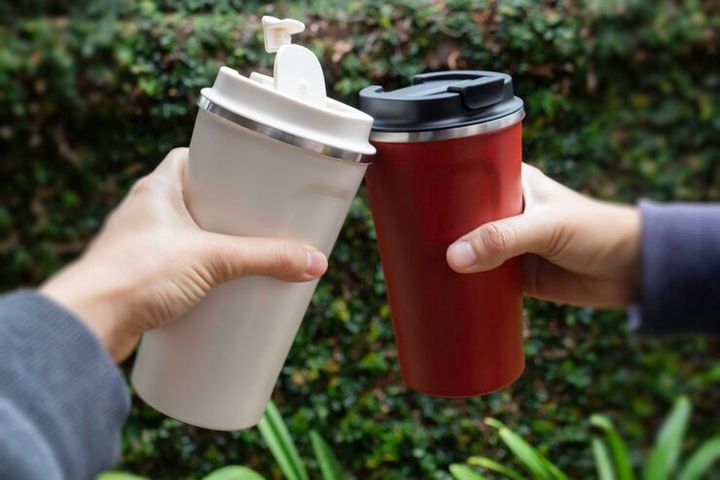
Reusable coffee cups are containers designed for repeated use when drinking coffee and other hot beverages. They are commonly made from materials such as stainless steel, glass, silicone, bamboo fiber, or durable plastics. Unlike single-use cups that are discarded after one drink, reusable coffee cups are intended to be cleaned and used many times.
The idea behind reusable drinkware is closely connected to environmental awareness. Over the past decades, disposable beverage containers have become widely used in cafés, workplaces, and takeaway beverage culture. However, the large volume of single-use cups entering waste streams has drawn attention from environmental researchers and policy makers.
Many disposable coffee cups appear to be paper-based but often contain a thin plastic lining that helps prevent leaks. This lining can make recycling more complicated in many regions. Reusable coffee cups emerged as one response to these challenges by allowing individuals to reduce reliance on single-use beverage containers.
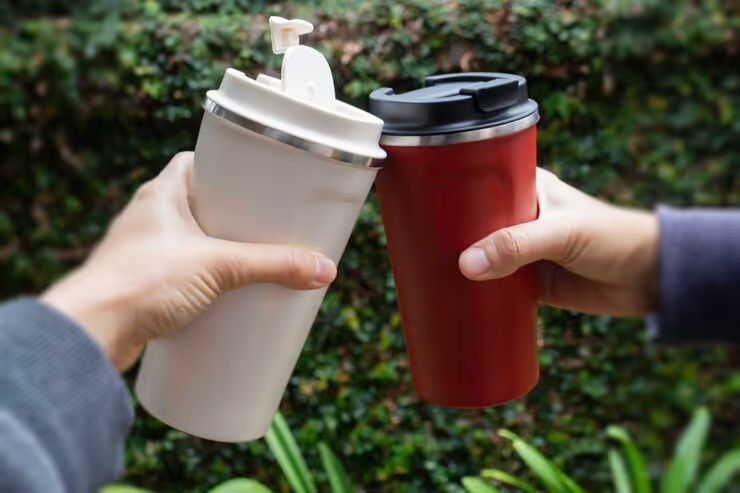
Today, reusable coffee cups come in a wide variety of designs and materials. Some resemble traditional mugs with lids, while others look similar to insulated travel mugs that help maintain beverage temperature for longer periods.
Understanding reusable coffee cups involves looking at how they are made, how they are used, and how they influence waste management and sustainability efforts in everyday life.
Importance
Reusable coffee cups are often discussed in conversations about waste reduction and resource conservation. Disposable beverage cups are widely used in cafés, offices, and public venues, and many regions report large quantities of these cups entering landfills or waste systems each year.
One reason this topic matters is the environmental footprint associated with single-use items. Disposable cups typically involve multiple materials, including paper, plastic lining, and plastic lids. Separating these materials during recycling can be difficult, which sometimes limits recycling options.
Reusable coffee cups provide an alternative that allows the same container to be used repeatedly over an extended period. This approach may help reduce the total number of single-use cups required in daily beverage consumption.
Several groups are connected to this topic:
- Consumers: Individuals who drink coffee or other hot beverages during travel, work, or daily routines.
- Cafés and beverage outlets: Locations where takeaway drinks are commonly served.
- Municipal waste systems: Organizations responsible for handling and processing waste materials.
- Environmental researchers: Groups studying consumption patterns and waste reduction strategies.
Reusable coffee cups also play a role in personal habits. For example, some people use insulated travel cups during commuting, while others use reusable cups at workplaces or universities.
Another aspect involves long-term resource use. Manufacturing a reusable cup requires materials and energy, but repeated use spreads that impact across many uses. Because of this, researchers often discuss how usage frequency influences the overall environmental balance of reusable drinkware.
Recent Updates
In recent years, interest in reusable coffee cups has continued to grow alongside broader sustainability discussions. From 2024 through 2026, several developments and trends have influenced how reusable beverage containers are designed and used.
One trend involves improved material design. Manufacturers have experimented with materials that combine durability, lightweight structure, and heat resistance. Stainless steel insulated cups and double-wall glass cups remain widely used, while silicone and plant-based composite materials are also appearing in new designs.
Another trend involves standardized cup programs in some cities and campuses. These programs allow users to borrow reusable cups from participating cafés and return them later to designated collection points. The cups are then cleaned and redistributed for future use.
Digital tools are also becoming part of reusable cup initiatives. Some programs track cup circulation through mobile apps or identification codes, allowing organizations to monitor how frequently reusable containers are returned and reused.
Design improvements have also focused on practical features such as:
- Leak-resistant lids that reduce spills during transport
- Insulated walls that help maintain beverage temperature
- Textured grips for easier handling
- Dishwasher-safe materials for convenient cleaning
These developments show how reusable coffee cups continue to evolve as part of broader efforts to reduce disposable packaging and support more sustainable consumption patterns.
Laws or Policies
Government policies and local regulations sometimes influence how reusable coffee cups are used and promoted. These policies often focus on reducing waste from single-use packaging.
In several countries, authorities have introduced measures that address disposable beverage containers. Some regulations encourage waste reduction through public awareness campaigns, packaging guidelines, or environmental programs.
Common policy approaches include:
- Waste reduction initiatives: Government programs encouraging citizens to reduce single-use items.
- Reusable container incentives: Some cafés allow customers to bring personal cups for beverage preparation.
- Packaging regulations: Rules that encourage recyclable or reusable packaging formats.
- Municipal waste targets: Environmental strategies aimed at reducing landfill waste.
For example, the European Union introduced the Single-Use Plastics Directive, which focuses on reducing certain disposable plastic products and encouraging alternative solutions.
In India, environmental programs connected to the Swachh Bharat Mission promote waste management awareness and encourage practices that reduce disposable materials.
Policies differ by region, but the overall direction of many environmental programs highlights reduced reliance on single-use containers and increased attention to reusable products.
Tools and Resources
A variety of tools and information resources help individuals, researchers, and organizations understand reusable coffee cups and their environmental impact.
Environmental impact calculators
Environmental footprint calculators estimate how daily habits influence waste generation and resource use. These tools sometimes allow users to compare single-use items with reusable alternatives.
Examples include:
- EPA Waste Reduction Model (WARM), developed by the United States Environmental Protection Agency, which estimates greenhouse gas impacts of waste management practices.
- Carbon Footprint Calculator tools used by environmental organizations to evaluate consumption patterns.
Sustainability information platforms
Several organizations publish educational information about reusable products and waste reduction.
Examples include:
- United Nations Environment Programme – publishes reports about global plastic use and waste reduction strategies.
- Ellen MacArthur Foundation – provides research on circular economy systems and reusable packaging models.
Cleaning and maintenance guides
Public health agencies and food safety organizations often publish guidelines about cleaning reusable drink containers. These guides typically include information about safe washing methods and proper storage.
Example comparison of beverage cup types
| Cup Type | Typical Materials | Usage Pattern | Disposal Method |
|---|---|---|---|
| Disposable coffee cup | Paper with plastic lining | Single use | Waste or limited recycling |
| Plastic takeaway cup | Plastic | Single use | Recycling where facilities exist |
| Reusable travel mug | Stainless steel or plastic | Repeated use | Long lifespan before disposal |
| Reusable glass cup | Glass with silicone lid | Repeated use | Recyclable materials |
This comparison highlights how reusable coffee cups differ from disposable containers in terms of longevity and material composition.
FAQs
What are reusable coffee cups?
Reusable coffee cups are drink containers designed for repeated use when consuming coffee or other hot beverages. They are typically made from durable materials such as stainless steel, glass, silicone, or reinforced plastic. After use, they can be washed and used again.
How do reusable coffee cups reduce waste?
Reusable coffee cups reduce waste by replacing single-use beverage containers. When a person repeatedly uses the same cup, fewer disposable cups and lids are needed. Over time, this can lower the amount of packaging entering waste systems.
What materials are commonly used in reusable coffee cups?
Common materials include stainless steel, glass, silicone, bamboo fiber composites, and durable plastics. Each material has different characteristics related to insulation, durability, and weight.
How long can reusable coffee cups last?
The lifespan of reusable coffee cups varies depending on material and maintenance. Stainless steel travel mugs may last for many years with proper care, while silicone or plastic designs may have shorter lifespans depending on usage.
Are reusable coffee cups safe for hot beverages?
Most reusable coffee cups are specifically designed for hot beverages. Insulated models help maintain temperature and reduce heat transfer to the outer surface, while secure lids help prevent spills during transport.
Conclusion
Reusable coffee cups are designed for repeated use and represent an alternative to disposable beverage containers. They are made from durable materials such as stainless steel, glass, and silicone and are commonly used for coffee and other hot drinks.
Interest in reusable drinkware is connected to broader discussions about waste reduction and environmental sustainability. Developments in materials, design features, and public programs continue to shape how reusable cups are used in daily life.
Policies, educational resources, and environmental tools also contribute to understanding how reusable containers fit into waste management strategies. As beverage consumption habits evolve, reusable coffee cups remain part of conversations about reducing single-use packaging.