Exploring Smart LED: Facts, Knowledge, and Helpful Resources for Better Understanding
Smart LED lighting refers to light-emitting diode systems that include digital controls, connectivity, and automation features. Unlike traditional lighting, Smart LED technology allows users to adjust brightness, color temperature, and timing through connected devices or control systems. These lights often work with wireless communication methods such as Wi-Fi, Bluetooth, or home automation networks.
The development of LED lighting began with simple semiconductor technology designed to convert electricity into light more efficiently than older bulb designs. Over time, manufacturers integrated sensors, connectivity modules, and software controls into LED systems. This combination created what is now known as Smart LED lighting.

Smart LED systems exist in many environments. They appear in homes, offices, public buildings, street lighting systems, and industrial facilities. The goal is to provide lighting that can respond to user preferences, environmental conditions, or automated schedules.
Understanding Smart LED technology helps readers see how lighting has evolved from basic illumination to connected systems that interact with modern digital infrastructure.
Importance
Smart LED lighting matters because lighting is one of the most widely used electrical technologies in everyday life. Nearly every building relies on artificial lighting for visibility, safety, and productivity. When lighting becomes more efficient and adaptable, it can influence energy use, comfort, and infrastructure management.
Several practical challenges led to the development of Smart LED systems:
- Energy efficiency: Traditional bulbs often consume more electricity and have shorter lifespans. LED technology reduces energy use through semiconductor-based light production.
- Lighting control: Many spaces require adjustable brightness or scheduled lighting. Smart LED systems allow automated dimming or timing adjustments.
- Urban infrastructure management: Cities increasingly use connected lighting networks to monitor and control streetlights remotely.
- Environmental awareness: Lower electricity consumption reduces pressure on energy resources and contributes to broader sustainability efforts.
Smart LED lighting also supports accessibility and convenience. For example, lighting systems can adjust automatically based on daylight levels, occupancy sensors, or programmed routines.
The following table highlights general differences between traditional lighting technologies and Smart LED lighting systems.
| Feature | Traditional Bulbs | Basic LED Bulbs | Smart LED Systems |
|---|---|---|---|
| Energy efficiency | Moderate to low | High | High with automated control |
| Connectivity | None | None | Wi-Fi, Bluetooth, or smart networks |
| Brightness adjustment | Limited | Possible with dimmer | App or automated control |
| Scheduling | Manual switching | Manual switching | Programmable schedules |
| Integration with smart homes | Not supported | Limited | Fully integrated systems |
These differences illustrate how Smart LED lighting expands the role of lighting beyond simple illumination.
Recent Updates
Smart LED technology has evolved quickly in recent years as digital connectivity and automation have expanded across homes and cities. Between 2024 and 2026, several developments have influenced how Smart LED systems are used.
Integration With Smart Home Ecosystems
Many Smart LED devices now connect directly with smart home platforms that manage multiple devices at once. Lighting can synchronize with thermostats, security systems, and voice-controlled assistants. This integration allows lighting to respond to routines such as bedtime schedules or occupancy detection.
Improvements in Adaptive Lighting
Adaptive lighting features are becoming more common. These systems adjust brightness and color temperature automatically throughout the day. For example:
- Cooler light during daytime activities
- Warmer tones during evening hours
- Automatic dimming when rooms are unoccupied
These adjustments aim to improve visual comfort and reduce unnecessary energy use.
Smart City Lighting Networks
Municipal governments are expanding Smart LED street lighting projects. Connected streetlights allow remote monitoring, automated dimming during low-traffic hours, and faster detection of maintenance issues. Sensors integrated into street lighting systems may also collect environmental or traffic data.
Standardization and Interoperability
Industry groups and technology organizations are working to improve compatibility between devices from different manufacturers. Interoperability standards help ensure that Smart LED devices can connect with broader home automation systems.
Overall, the general trend shows increasing integration between lighting technology, digital networks, and building automation systems.
Laws or Policies
Lighting technology is influenced by regulations related to energy efficiency, environmental protection, and electrical safety. These policies often encourage the adoption of LED technology, including Smart LED systems.
Energy Efficiency Regulations
Many governments have introduced efficiency standards that gradually limit the use of high-energy lighting technologies. These regulations encourage the transition toward LED lighting because of its lower electricity consumption and longer operational lifespan.
In India, national initiatives promoting energy-efficient lighting have played an important role in the adoption of LED technology. Government programs encourage the use of efficient lighting solutions in residential and public infrastructure projects.
Environmental Policies
Environmental policies often focus on reducing electricity demand and lowering carbon emissions from power generation. Because lighting contributes to overall electricity usage, improving lighting efficiency is one strategy used to meet sustainability goals.
Electrical Safety Standards
Smart LED devices must comply with electrical safety guidelines that regulate wiring, insulation, and device compatibility. These standards ensure that connected lighting systems operate safely within homes, workplaces, and public spaces.
Regulatory frameworks continue to evolve as smart technologies become more common in buildings and urban infrastructure.
Tools and Resources
Various digital tools and platforms help individuals and organizations understand or manage Smart LED lighting systems. These resources support planning, monitoring, and integration with other smart technologies.
Smart Lighting Control Applications
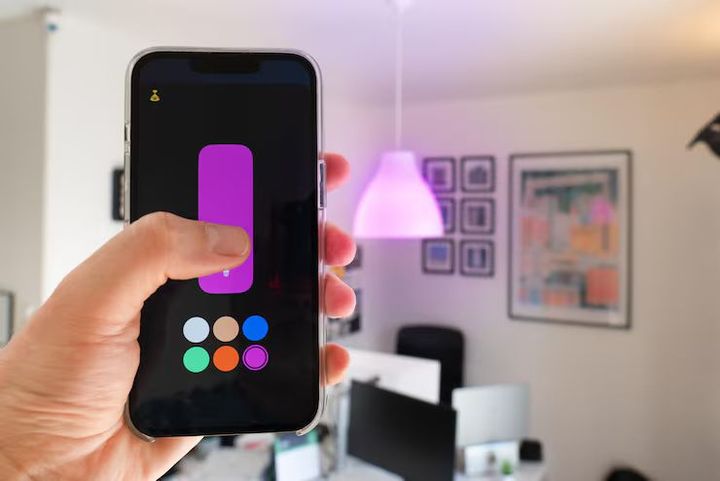
Many Smart LED systems include mobile applications that allow users to adjust brightness levels, color settings, and schedules. These apps often provide dashboards where lighting conditions can be monitored and modified remotely.
Energy Monitoring Platforms
Energy monitoring platforms track electricity consumption across lighting systems and other connected devices. These tools help users observe how lighting patterns affect energy use over time.
Examples of commonly used digital resources include:
- Energy tracking dashboards: Platforms that display electricity usage data.
- Lighting configuration apps: Software used to configure Smart LED devices and automation routines.
- Smart home integration platforms: Systems that connect lighting with other smart devices.
- Technical documentation portals: Websites that provide installation guides, compatibility information, and device specifications.
These tools support a broader understanding of how Smart LED technology operates within modern digital environments.
FAQs
What is Smart LED lighting?
Smart LED lighting refers to LED lights equipped with digital controls and connectivity features. These lights can adjust brightness, color temperature, or operating schedules through connected devices or automated systems.
How does Smart LED technology work?
Smart LED systems combine semiconductor lighting components with microcontrollers and communication modules. The microcontroller processes commands from mobile applications or automation systems, allowing the lighting to change settings based on user input or programmed routines.
Where are Smart LED lights commonly used?
Smart LED lighting appears in many environments, including homes, office buildings, commercial spaces, and street lighting networks. In cities, connected LED streetlights allow municipal authorities to monitor and manage lighting infrastructure remotely.
Are Smart LED systems energy efficient?
LED lighting is generally more energy efficient than many older lighting technologies because it converts electricity into light using semiconductor materials. Smart LED systems can further reduce electricity use through automated dimming and scheduling features.
Can Smart LED lighting connect with other smart devices?
Many Smart LED systems are designed to integrate with smart home ecosystems. Through shared communication protocols, lighting can interact with sensors, thermostats, and home automation hubs.
Conclusion
Smart LED lighting represents a shift from traditional illumination toward connected and adaptable lighting systems. By combining semiconductor technology with digital controls, Smart LED devices allow lighting conditions to respond to schedules, sensors, and user preferences. Recent developments show increasing integration with smart home platforms and urban infrastructure networks. Regulations and efficiency policies continue to influence the adoption of LED technology in buildings and public spaces. Understanding Smart LED systems helps explain how lighting technology fits within the broader landscape of modern connected devices.