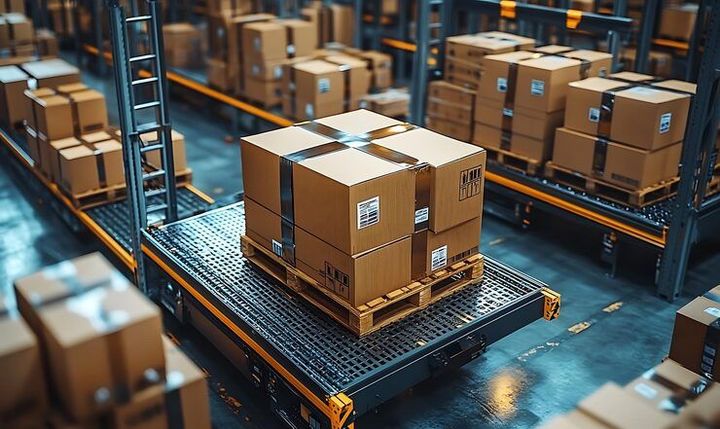
Export Packaging Guide to Protecting Products During International Shipping
International trade allows businesses to reach customers across the globe, but transporting products over long distances also introduces significant challenges.
During international shipping, goods may pass through multiple warehouses, ports, customs inspections, and transportation methods before reaching their final destination. Proper export packaging helps protect products from physical damage, moisture, vibration, temperature changes, and handling throughout this complex logistics process.
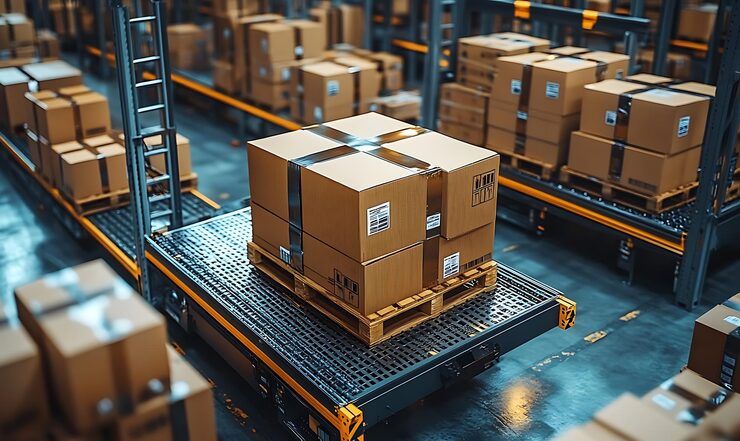
Unlike standard domestic packaging, export packaging must be designed to withstand extended transportation, diverse environmental conditions, and repeated loading and unloading. A well-planned packaging strategy not only protects products but also supports regulatory compliance, improves supply chain efficiency, and enhances customer satisfaction. This export packaging guide explains the essential principles, materials, protective methods, and practical considerations involved in preparing products for international shipping.
What Is Export Packaging?
Export packaging refers to the specialized methods and materials used to prepare products for safe transportation across international supply chains. Its primary objective is to protect goods from damage while ensuring efficient handling, storage, customs processing, and final delivery.
Export packaging is used across numerous industries, including manufacturing, electronics, pharmaceuticals, automotive components, machinery, food products, chemicals, consumer goods, and industrial equipment.
For example, delicate electronic equipment may require cushioning materials, moisture barriers, and reinforced containers to withstand long-distance sea freight.
Why Export Packaging Matters
International shipments often involve multiple transportation stages that expose products to various risks.
Packages may experience vibration during trucking, humidity during ocean transport, temperature fluctuations in storage facilities, and repeated handling during customs inspections or cargo transfers.
Proper packaging minimizes the likelihood of product damage, reducing replacement costs, insurance claims, delivery delays, and customer complaints.
Reliable packaging also contributes to efficient warehouse operations by improving stacking stability and handling safety throughout the logistics process.
Common Export Packaging Materials
Different products require different protective materials depending on their size, weight, fragility, and transportation method.
Corrugated Boxes
Heavy-duty corrugated cartons provide structural strength while protecting products from impacts during handling and transportation.
Multiple wall constructions are commonly used for heavier or more valuable shipments.
Wooden Crates
Wooden crates provide exceptional protection for large machinery, industrial equipment, fragile products, and oversized cargo.
They also support safe lifting using forklifts and cranes during international logistics operations.
Protective Foam
Foam inserts absorb shocks and vibrations while preventing product movement inside packaging.
Custom-molded foam is frequently used for electronics, medical devices, and precision instruments.
Stretch Wrap and Shrink Film
Stretch wrap stabilizes palletized cargo while protecting shipments from dust, moisture, and shifting during transport.
Shrink film provides additional product security and improved package integrity.
Moisture Barrier Materials
Desiccants, vapor barrier bags, and protective liners help reduce moisture exposure during sea freight and long-term storage.
These materials are especially valuable for metal products, electronics, and moisture-sensitive goods.
Packaging Methods for International Shipping
Effective export packaging combines multiple protective techniques.
Primary packaging directly surrounds the product and provides its first level of protection.
Secondary packaging groups multiple products together for easier handling and transportation.
Tertiary packaging prepares shipments for logistics operations through pallets, stretch wrapping, corner protectors, and securing systems that improve cargo stability.
Proper labeling, documentation pockets, handling instructions, and shipping marks further support efficient international transportation.
Challenges During International Shipping
Export shipments encounter numerous environmental and logistical challenges.
Long transportation times increase exposure to humidity, temperature variation, vibration, and physical impacts.
Ocean freight presents risks associated with saltwater exposure and condensation, while air freight may involve pressure changes and frequent cargo handling.
Road transportation introduces continuous vibration that can affect fragile products over extended distances.
Customs inspections may require packages to be opened and resealed, making durable packaging particularly important.
Understanding these conditions helps businesses design more effective protective solutions.
Benefits of Effective Export Packaging
Well-designed export packaging provides several operational advantages.
Products arrive in better condition, improving customer satisfaction and reducing warranty claims.
Durable packaging supports efficient warehouse storage by improving stacking strength and load stability.
Protective materials help minimize product movement, reducing the likelihood of damage during transportation.
Standardized packaging also simplifies inventory management, shipping operations, and international logistics planning.
Additionally, effective packaging contributes to cost savings by reducing losses caused by damaged shipments.
Decision Guide: Choosing the Right Export Packaging
Selecting the best export packaging depends on product characteristics, transportation methods, shipping distance, environmental conditions, handling requirements, and regulatory considerations.
Fragile products often benefit from reinforced packaging with foam cushioning and shock protection, while heavy industrial equipment may require wooden crates and specialized lifting supports.
An export packaging comparison generally evaluates structural strength, moisture resistance, cushioning performance, weight, sustainability, cost efficiency, and compatibility with different transportation modes.
In many cases, layered packaging systems tend to work well because they combine multiple protective materials that address different transportation risks simultaneously.
The real difference appears when packaging solutions are specifically designed around the product's physical characteristics and expected shipping conditions rather than using generic packaging methods.
Real-World Applications
Export packaging supports a wide variety of global industries.
Manufacturers shipping industrial machinery rely on reinforced crates, corrosion protection, and custom supports to protect valuable equipment during international transport.
Electronics companies frequently use anti-static materials, precision foam inserts, and moisture barriers to safeguard sensitive components.
Food producers depend on insulated containers, protective liners, and temperature-controlled packaging to maintain product quality throughout global distribution.
Pharmaceutical companies use specialized packaging systems that support product stability while meeting strict regulatory requirements.
These examples demonstrate how packaging strategies vary according to industry-specific shipping challenges.
Emerging Trends in Export Packaging
Packaging technology continues evolving to support modern international logistics.
Sustainable packaging materials, recyclable cushioning, and biodegradable protective solutions are becoming increasingly common as businesses pursue environmental objectives.
Smart packaging technologies now incorporate sensors that monitor temperature, humidity, shock exposure, and shipment location during transit.
Digital tracking systems improve supply chain visibility while helping identify potential transportation issues before products reach their destination.
Lightweight high-strength materials are also reducing transportation costs while maintaining excellent protective performance.
These innovations continue improving the safety, efficiency, and sustainability of global shipping operations.
Frequently Asked Questions
1. What is export packaging?
Export packaging consists of specialized materials and methods used to protect products during international transportation and storage.
2. Why is export packaging different from domestic packaging?
International shipments involve longer transportation distances, multiple handling stages, environmental exposure, and customs inspections that require stronger protective packaging.
3. What materials are commonly used in export packaging?
Corrugated cartons, wooden crates, foam inserts, stretch wrap, shrink film, moisture barriers, and protective liners are widely used.
4. How does export packaging protect products?
It reduces damage caused by impacts, vibration, moisture, temperature changes, handling, and environmental exposure throughout international logistics.
5. What factors should be considered when selecting export packaging?
Product size, weight, fragility, transportation method, shipping distance, environmental conditions, regulatory requirements, and handling needs should all be evaluated.
Conclusion
Effective export packaging is a critical part of successful international shipping, helping protect products throughout complex global supply chains. By combining appropriate materials, protective techniques, and thoughtful packaging design, businesses can reduce shipping damage, improve operational efficiency, and enhance customer satisfaction. This comprehensive export packaging guide demonstrates how understanding transportation challenges, packaging methods, and industry requirements contributes to safer and more reliable international product delivery. As global trade continues expanding, advanced packaging solutions will remain essential for protecting products across international markets.