Ferrous Metal Manufacturing Guide: Essential Processes, Materials, and Industry Knowledge
Ferrous metal manufacturing is the process of producing metals and metal products that contain iron as their primary element.
These materials have been used for thousands of years and remain essential in modern construction, transportation, machinery, infrastructure, and consumer products. The term “ferrous” comes from the Latin word ferrum, meaning iron.
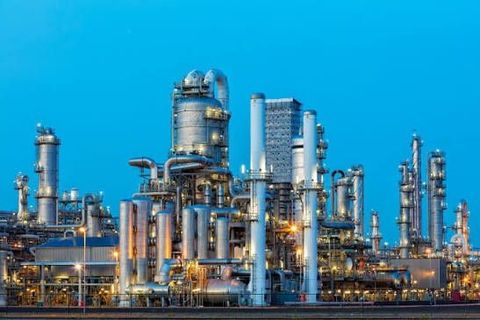
Today, ferrous metal production includes a wide range of activities, from extracting iron ore and refining raw materials to shaping steel and other iron-based alloys into finished components. The industry supports the creation of bridges, buildings, railways, vehicles, pipelines, tools, and industrial equipment.
Ferrous metal manufacturers work with different grades of iron and steel to meet various engineering and structural requirements. Depending on the intended application, metals may undergo casting, forging, rolling, machining, welding, or heat treatment. These processes help create products with specific strength, durability, and performance characteristics.
Industrial ferrous metal fabrication involves transforming raw or semi-finished metal into usable parts and structures. This process combines manufacturing techniques, engineering standards, and quality control measures to ensure consistency and reliability across industries.
Common Types of Ferrous Metals
Several types of ferrous metals are widely used across industries:
- Carbon steel – contains iron and carbon and is commonly used in construction and manufacturing.
- Alloy steel – includes additional elements such as chromium, nickel, or manganese to enhance performance.
- Cast iron – known for its hardness and wear resistance.
- Stainless steel – contains chromium for improved corrosion resistance.
- Tool steel – designed for cutting, shaping, and industrial tooling applications.
Main Stages of Ferrous Metal Production
The production process generally includes:
- Raw material extraction and preparation.
- Ironmaking and steelmaking.
- Casting and forming.
- Heat treatment and finishing.
- Inspection and testing.
- Distribution for industrial use.
These stages help convert natural resources into materials used in everyday infrastructure and products.
Importance
Ferrous metal manufacturing plays a significant role in modern economies because iron and steel remain among the most widely used engineering materials in the world. Many industries depend on ferrous metals due to their strength, availability, and adaptability.
Construction projects rely heavily on structural steel manufacturers to produce beams, columns, and reinforcement materials used in buildings, bridges, and transportation networks. Without these materials, large-scale infrastructure development would be difficult to achieve.
The transportation sector also depends on ferrous metal production. Cars, trucks, trains, ships, and many industrial vehicles contain steel frames, engine components, and safety structures manufactured from ferrous alloys.
Benefits for Industry and Society
Ferrous metals contribute to society in several ways:
- Structural strength for buildings and infrastructure.
- Durability for long-term industrial applications.
- Recyclability that supports resource conservation.
- Versatility across manufacturing sectors.
- Compatibility with various fabrication techniques.
Steel component manufacturers create parts used in equipment ranging from household appliances to heavy industrial machinery. These components help support transportation, energy generation, healthcare equipment, and communication infrastructure.
Challenges Addressed by Ferrous Metals
Ferrous materials help address several engineering challenges:
- Supporting heavy loads in construction.
- Providing resistance to wear and mechanical stress.
- Enabling mass production of industrial components.
- Allowing large-scale infrastructure development.
- Supporting modern transportation systems.
The continued use of ferrous alloy manufacturing demonstrates the importance of iron-based materials in solving practical engineering and manufacturing requirements.
Recent Updates
The ferrous metal industry continues to evolve through technological improvements, sustainability initiatives, and digital manufacturing methods. Recent developments focus on increasing efficiency while reducing environmental impact.
Digital Manufacturing Technologies
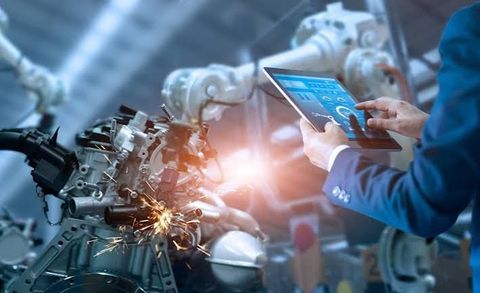
Many manufacturers are adopting advanced digital systems to improve production monitoring and quality control. Technologies such as automation, sensors, artificial intelligence, and predictive maintenance are becoming more common in steel mills and fabrication facilities.
These systems help manufacturers monitor equipment performance, identify maintenance needs, and improve production consistency.
Focus on Lower-Emission Production
A major trend in ferrous metal production is the development of lower-emission manufacturing methods. Companies and research organizations are exploring alternatives to traditional blast furnace operations.
Some approaches include:
- Increased use of electric arc furnaces.
- Expanded recycling of scrap steel.
- Hydrogen-based ironmaking research.
- Energy-efficient production systems.
- Carbon capture technologies.
These developments aim to reduce environmental impacts associated with large-scale metal manufacturing.
Growth in Advanced Ferrous Alloys
Ferrous alloy manufacturing continues to expand through the development of specialized materials designed for specific applications.
Examples include:
- High-strength structural steels.
- Wear-resistant industrial alloys.
- Heat-resistant steel grades.
- Lightweight automotive steels.
- Advanced stainless steel materials.
These materials help industries meet evolving engineering requirements while maintaining safety and performance standards.
Modern Casting and Fabrication Techniques
Ferrous metal casting manufacturers increasingly use simulation software and advanced molding technologies to improve casting quality. Modern design tools allow engineers to evaluate component performance before physical production begins.
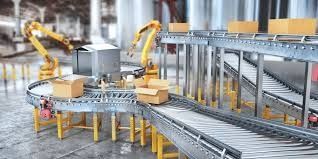
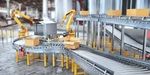
Industrial ferrous metal fabrication facilities are also integrating automated cutting, welding, and inspection systems to improve precision and consistency.
Ferrous Metal Manufacturing Process Overview
| Production Stage | Primary Purpose |
|---|---|
| Raw Material Preparation | Process iron ore, coal, and scrap materials |
| Ironmaking | Produce molten iron from raw materials |
| Steelmaking | Refine iron into steel grades |
| Casting | Create semi-finished or finished shapes |
| Fabrication | Cut, form, and assemble components |
| Finishing | Improve surface quality and properties |
| Inspection | Verify quality and compliance |
Laws or Policies
Ferrous metal manufacturing is influenced by environmental, safety, trade, and industrial regulations. Specific requirements vary by country, but several common regulatory areas affect manufacturers worldwide.
Environmental Regulations
Governments often establish environmental standards for emissions, waste management, water usage, and energy efficiency. Manufacturing facilities may be required to monitor and report environmental performance.
These regulations encourage responsible resource management and pollution reduction throughout the production process.
Workplace Safety Requirements
Steel plants, foundries, and fabrication facilities involve high temperatures, heavy equipment, and industrial machinery. Workplace safety regulations help reduce risks associated with these operations.
Common safety measures include:
- Protective equipment requirements.
- Machinery safety procedures.
- Employee training programs.
- Emergency response planning.
- Hazard identification systems.
Product Quality Standards
Structural steel manufacturers and steel component manufacturers frequently follow recognized quality standards to ensure products meet engineering and construction requirements.
Examples may include standards related to:
- Material composition.
- Mechanical strength.
- Welding quality.
- Dimensional accuracy.
- Testing procedures.
These standards help maintain consistency across industrial applications.
Recycling and Circular Economy Policies
Many governments support metal recycling initiatives because ferrous metals can be recycled repeatedly without significant loss of properties. Policies promoting recycling help reduce demand for raw materials and support resource efficiency.
As a result, recycled steel continues to play an important role in modern ferrous metal production.
Tools and Resources
Various tools and resources help professionals, students, and organizations understand ferrous metal manufacturing processes and materials.
Engineering and Material Databases
Material databases provide information on:
- Steel grades.
- Mechanical properties.
- Chemical composition.
- Heat treatment specifications.
- Application guidelines.
These databases help users compare different ferrous materials for specific projects.
Computer-Aided Design Software
Computer-aided design (CAD) software allows engineers to create digital models of components and structures before manufacturing begins. These systems support design accuracy and production planning.
Manufacturing Simulation Tools
Simulation software helps evaluate:
- Metal flow during casting.
- Structural performance.
- Thermal behavior.
- Manufacturing efficiency.
- Material stress distribution.
These tools reduce uncertainty during product development and production planning.
Industry Organizations and Standards Platforms
Industry organizations publish technical standards, educational resources, and research materials related to ferrous metal production and fabrication.
Examples include:
- Engineering standards organizations.
- Metallurgical associations.
- Manufacturing research institutes.
- Construction materials organizations.
These resources help improve understanding of materials, processes, and industry practices.
Online Calculators and Reference Tools
Common digital tools include:
- Weight calculators for steel products.
- Material property references.
- Structural design calculators.
- Unit conversion tools.
- Manufacturing tolerance references.
Such resources assist with planning, design, and educational activities.
FAQs
What is ferrous metal manufacturing?
Ferrous metal manufacturing refers to the production and processing of iron-based metals such as steel, cast iron, and alloy steels. The process includes refining raw materials, shaping metal products, and preparing components for industrial use.
What do ferrous metal manufacturers produce?
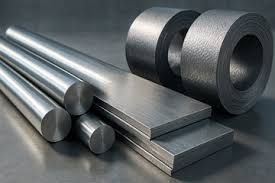
Ferrous metal manufacturers produce a wide range of materials and components, including steel sheets, structural beams, pipes, castings, machine parts, automotive components, and industrial equipment materials.
How does ferrous alloy manufacturing differ from standard steel production?
Ferrous alloy manufacturing involves adding specific alloying elements such as chromium, nickel, or manganese to improve properties like strength, hardness, corrosion resistance, or heat resistance beyond those found in standard carbon steel.
What is the role of ferrous metal casting manufacturers?
Ferrous metal casting manufacturers create metal components by pouring molten iron or steel into molds. This process is commonly used to produce complex shapes for machinery, transportation equipment, and infrastructure applications.
Why are structural steel manufacturers important in construction?
Structural steel manufacturers produce beams, columns, and other load-bearing components used in buildings, bridges, industrial facilities, and transportation infrastructure. These materials provide strength and stability for large structures.
Conclusion
Ferrous metal manufacturing remains a fundamental part of modern industry, supporting construction, transportation, infrastructure, and manufacturing activities. The process involves multiple stages, including material preparation, steelmaking, casting, fabrication, and quality inspection. Recent developments focus on digital technologies, recycling, and lower-emission production methods. Understanding ferrous metal production and related processes helps explain how many of the materials used in everyday life are created and maintained.