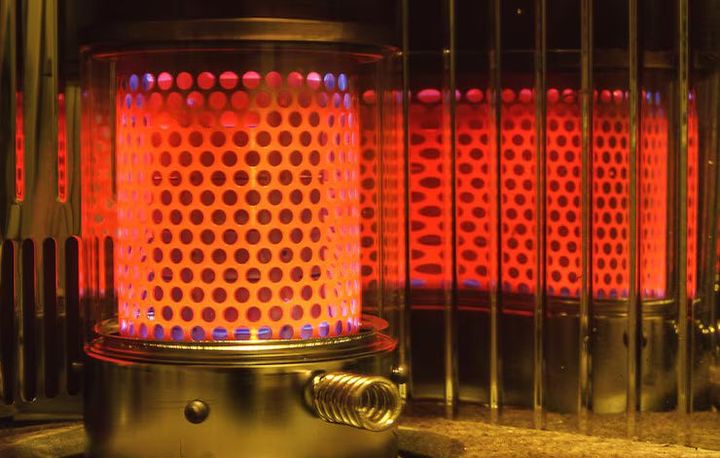
Industrial Heaters Explained: Complete Guide for Modern Manufacturing
Industrial heaters are specialized heating systems designed to produce controlled heat for manufacturing, processing, and industrial operations. Unlike household heating equipment, industrial heaters are built to operate continuously, maintain accurate temperatures, and support large-scale production environments.
Heat is one of the most important elements in manufacturing. Many materials require heating before they can be shaped, dried, melted, cured, sterilized, or processed. Industrial heaters provide this controlled thermal energy, helping industries achieve consistent production quality while maintaining operational efficiency.
Today, industrial heaters are used in a wide variety of industries, including:
- Manufacturing
- Food processing
- Chemical production
- Pharmaceutical manufacturing
- Automotive production
- Electronics manufacturing
- Packaging industries
- Textile processing
- Metal fabrication
- Plastic processing
Depending on the application, industrial heaters may use electricity, gas, steam, thermal fluids, or infrared technology to generate heat.
Common types of industrial heaters include:
| Industrial Heater Type | Common Application | Heating Method |
|---|---|---|
| Electric Heaters | Process heating | Electrical resistance |
| Gas Heaters | Large industrial plants | Natural gas or LPG |
| Infrared Heaters | Surface heating | Infrared radiation |
| Immersion Heaters | Liquid heating | Direct immersion |
| Air Heaters | Drying systems | Heated airflow |
| Duct Heaters | Ventilation systems | Electric heating |
| Circulation Heaters | Fluid processing | Controlled fluid heating |
| Radiant Heaters | Material curing | Radiant heat transfer |
Industrial heating technology continues to evolve as manufacturers focus on better temperature control, energy efficiency, process automation, and improved production quality.
Importance: Why Industrial Heaters Matter Today
Industrial heaters are essential because almost every manufacturing sector depends on accurate thermal processing. Even small temperature variations can affect product quality, production speed, and operational consistency.
Modern industries rely on industrial heating systems to support:
- Material preparation
- Drying operations
- Sterilization processes
- Heat treatment
- Surface finishing
- Product curing
- Chemical reactions
- Packaging operations
Accurate heating improves manufacturing consistency while reducing material waste.
Benefits of Industrial Heating Systems
- Better temperature control
- Improved production efficiency
- Higher product consistency
- Reduced processing errors
- Energy-efficient manufacturing
- Reliable continuous operation
- Support for automated production
- Enhanced workplace safety with controlled heating
Industrial heaters also support advanced manufacturing technologies where precision heating is required for sensitive production processes.
Industries That Frequently Use Industrial Heaters
- Automotive manufacturing
- Aerospace engineering
- Medical equipment production
- Pharmaceutical industries
- Food manufacturing
- Plastic molding
- Semiconductor manufacturing
- Paper production
- Textile manufacturing
- Metal processing
As manufacturing becomes increasingly automated, industrial heating systems are becoming more intelligent through digital monitoring and process optimization.
Recent Updates: Industrial Heater Trends During the Past Year
The industrial heating industry has experienced significant technological improvements throughout 2025 and early 2026.
One major trend is the increasing adoption of smart heating systems. Modern industrial heaters now include advanced sensors that continuously monitor temperature, operating conditions, and system performance in real time.
Energy efficiency has also become a major focus. Manufacturers are adopting improved insulation materials, optimized heating elements, and advanced control systems to reduce energy consumption while maintaining production quality.
Another growing trend is predictive maintenance. Instead of waiting for equipment failures, modern industrial heating systems increasingly use condition monitoring to identify maintenance requirements before unexpected downtime occurs.
Industries are also integrating industrial heaters into automated production environments. Heating systems can now communicate with production software, enabling synchronized manufacturing processes and improved operational efficiency.
Additional recent developments include:
- Digital temperature monitoring
- Remote equipment diagnostics
- Intelligent heating controllers
- Improved thermal insulation technologies
- Greater adoption of electric process heating
- Enhanced energy management systems
- Advanced safety monitoring features
- Better integration with Industrial Internet of Things (IIoT) platforms
Manufacturers are also placing greater emphasis on sustainability by improving heating efficiency and reducing unnecessary energy usage during production.
Laws or Policies Affecting Industrial Heaters
Industrial heaters operate under various safety, environmental, and industrial regulations. The exact requirements vary by country, but the overall objective is protecting workers, maintaining equipment safety, and improving energy efficiency.
Many governments require industrial facilities to follow workplace safety regulations covering:
- Safe equipment installation
- Regular maintenance
- Electrical safety
- Fire prevention measures
- Temperature monitoring
- Emergency shutdown systems
Environmental regulations often encourage industries to reduce emissions and improve energy efficiency through modern heating technologies.
Manufacturing facilities may also follow standards related to:
- Industrial electrical systems
- Pressure equipment safety
- Occupational health practices
- Energy management frameworks
- Environmental protection programs
- Industrial process safety management
Companies operating internationally often implement standardized safety procedures that align with globally recognized industrial practices.
Regular inspections, preventive maintenance, equipment documentation, and operator training remain important parts of responsible industrial heater operation.
Tools and Resources for Industrial Heating Knowledge
Several practical resources help engineers, maintenance teams, and manufacturing professionals better understand industrial heating systems.
Useful educational and operational resources include:
- Temperature conversion calculators
- Heat transfer calculators
- Energy efficiency calculators
- Industrial maintenance checklists
- Preventive maintenance templates
- Thermal insulation guides
- Equipment inspection forms
- Process monitoring dashboards
- Engineering design software
- Industrial automation learning platforms
These resources help improve understanding of heating performance, equipment maintenance, and manufacturing efficiency.
Helpful Learning Materials
- Industrial engineering textbooks
- Manufacturing process guides
- Safety training manuals
- Energy management documentation
- Process optimization courses
- Mechanical engineering references
- Industrial automation learning modules
Using reliable educational resources supports better equipment operation while promoting safe industrial practices.
Frequently Asked Questions
What is an industrial heater?
An industrial heater is specialized equipment that generates controlled heat for manufacturing, processing, drying, curing, melting, sterilization, and many other industrial applications.
Which industries commonly use industrial heaters?
Industrial heaters are widely used in manufacturing, automotive production, pharmaceuticals, food processing, electronics, plastics, chemical processing, metal fabrication, textiles, and packaging industries.
Why is temperature control important in manufacturing?
Accurate temperature control helps maintain consistent product quality, improves production efficiency, reduces material waste, supports equipment reliability, and minimizes manufacturing errors.
What are the main types of industrial heaters?
Common industrial heaters include electric heaters, gas heaters, infrared heaters, immersion heaters, air heaters, duct heaters, circulation heaters, and radiant heating systems.
How are industrial heaters becoming more advanced?
Modern industrial heaters increasingly use smart sensors, digital controllers, automated monitoring, predictive maintenance technologies, energy-efficient components, and Industrial Internet of Things (IIoT) connectivity.
Conclusion
Industrial heaters remain one of the most important technologies supporting modern manufacturing. From material preparation and drying to curing, sterilization, and precision processing, controlled heating plays a critical role in maintaining production quality across numerous industries.