Paper Mill Guide: How Paper Manufacturing Works
Paper is part of everyday life. It is used for books, notebooks, newspapers, packaging, tissues, labels, office documents, and many other products. Although digital technology has reduced the use of paper in some areas, paper remains an important material for education, communication, packaging, and industry. A paper mill is a manufacturing facility where raw materials are transformed into different types of paper through a series of carefully controlled steps.
Modern paper mills combine engineering, chemistry, automation, and environmental practices to produce paper with consistent quality while making efficient use of raw materials and energy.
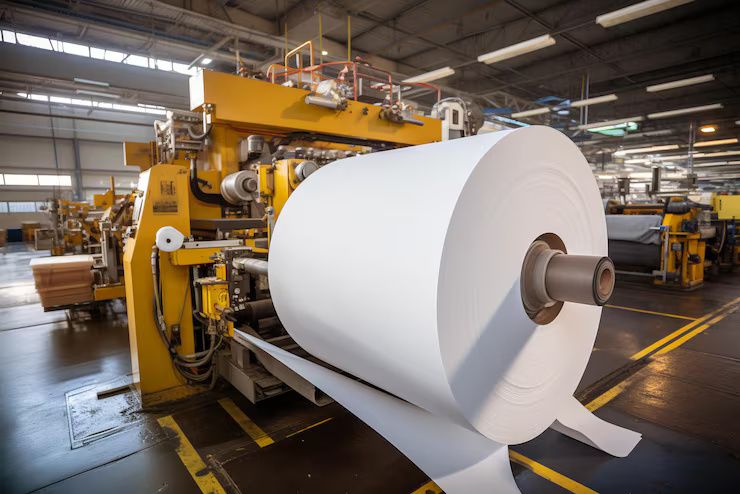
This guide explains how a paper mill works, the main production stages, the equipment involved, and how the industry continues to improve its manufacturing processes.
What Is a Paper Mill?
A paper mill is an industrial facility that converts wood fibers, recycled paper, or other plant-based fibers into paper products. Depending on its design, a mill may produce paper from raw pulp, recycled materials, or a combination of both.
Some paper mills produce large rolls of paper that are later converted into notebooks, cartons, tissue products, or printing paper. Others specialize in packaging materials such as kraft paper, linerboard, or corrugated paper.
The production process involves preparing fibers, forming paper sheets, removing moisture, drying, pressing, finishing, and quality inspection before the paper is packaged for distribution.
Common Raw Materials Used
Paper production begins with selecting suitable fiber sources. The choice of raw material depends on the type of paper being manufactured.
Common materials include:
- Wood from softwood and hardwood trees
- Recycled paper collected from homes and businesses
- Bamboo fibers
- Agricultural residues such as bagasse
- Straw and other plant fibers
Paper mills also use water, minerals, starch, fillers, and various process chemicals to improve paper strength, smoothness, brightness, and printability.
The Main Stages of Paper Manufacturing
Paper manufacturing follows a continuous production process. Each stage prepares the material for the next until a finished paper roll is created.
1. Raw Material Preparation
Wood logs are debarked and cut into small chips before entering the pulping process. When recycled paper is used, it is sorted, cleaned, and processed to remove unwanted materials such as plastic, staples, tape, and ink.
Proper preparation helps improve fiber quality and supports consistent production.
2. Pulping Process
Pulping separates fibers from wood or recycled paper.
There are two common methods:
- Mechanical pulping uses grinding equipment to separate fibers while retaining most of the wood material.
- Chemical pulping uses chemicals to dissolve lignin, leaving stronger cellulose fibers behind.
The selected method depends on the desired paper properties. Packaging paper, printing paper, and tissue products may require different fiber characteristics.
3. Cleaning and Screening
After pulping, the fiber mixture passes through screens and cleaning equipment that remove contaminants, oversized particles, and remaining impurities.
This stage helps produce smoother paper while reducing defects during manufacturing.
4. Refining the Fibers
Refining changes the shape and flexibility of the fibers. Properly refined fibers bond together more effectively, producing paper with improved strength and surface quality.
The amount of refining depends on the intended paper application.
5. Mixing Additives
Several materials are blended into the pulp before sheet formation.
These may include:
- Starch for improved strength
- Clay or calcium carbonate for smoother surfaces
- Dyes for colored paper
- Retention chemicals that improve material distribution
The mixture is carefully monitored to maintain consistent paper characteristics.
Paper Machine Operation
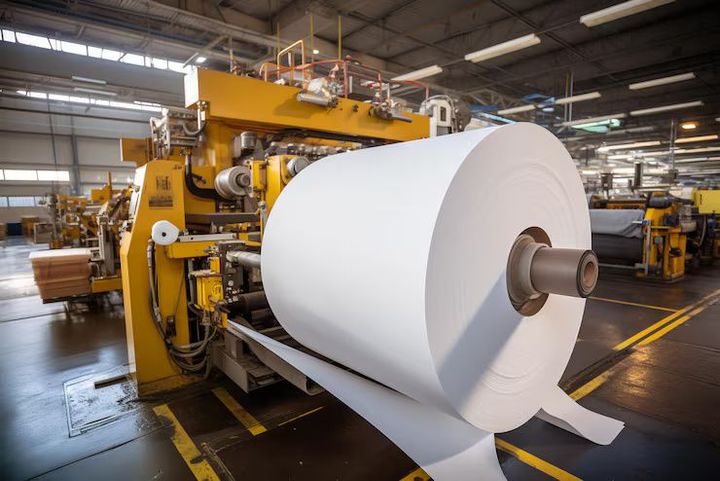
The paper machine is the central piece of equipment in a paper mill. It transforms diluted pulp into a continuous sheet of paper.
Forming Section
The pulp mixture, which contains a high percentage of water, is evenly spread across a moving wire mesh.
As water drains away, fibers begin to connect to form a thin sheet of paper.
Press Section
The partially formed sheet passes through large rollers that remove additional moisture.
Pressing increases fiber bonding while preparing the sheet for drying.
Drying Section
The paper travels through multiple heated cylinders that remove most of the remaining moisture.
Careful temperature control helps prevent wrinkles and uneven drying.
Surface Finishing
Depending on the paper grade, additional treatments may improve smoothness, texture, or printing performance.
Some papers receive coatings that enhance writing and printing quality.
Rolling
The finished paper is wound into large rolls before moving to the finishing department.
Finishing Operations
Large paper rolls are processed according to customer requirements.
Finishing operations may include:
- Cutting sheets into standard sizes
- Trimming roll edges
- Surface inspection
- Packaging
- Labeling for shipment
Automated inspection systems monitor paper thickness, moisture, surface defects, and width throughout production.
Types of Paper Produced
Paper mills manufacture many different paper grades for different purposes.
Common examples include:
- Printing paper
- Writing paper
- Newsprint
- Packaging paper
- Kraft paper
- Tissue paper
- Cardboard
- Corrugated paper
- Specialty industrial paper
- Label paper
Each product requires different fiber blends, processing conditions, and finishing techniques.
Equipment Found in a Paper Mill
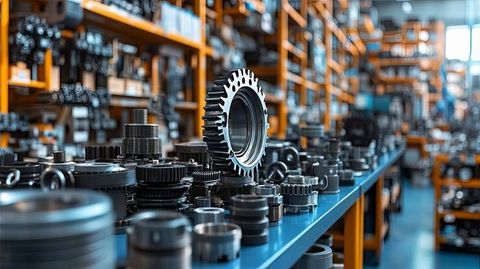
Paper manufacturing relies on a wide range of industrial equipment working together continuously.
Common equipment includes:
- Debarkers
- Wood chippers
- Pulp digesters
- Refiners
- Storage tanks
- Pumps
- Screens
- Cleaners
- Paper machines
- Press rollers
- Drying cylinders
- Calendars
- Winders
- Rewinders
- Cutting machines
- Quality inspection systems
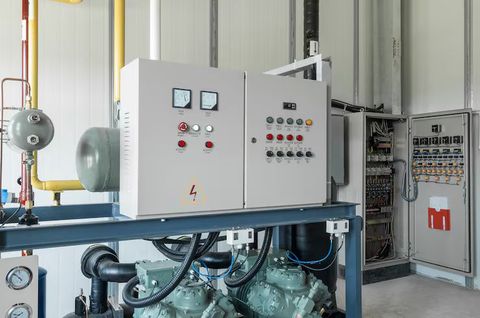
Many facilities also use automated monitoring systems that track production conditions in real time.
Environmental Considerations
Modern paper mills place significant attention on reducing environmental impact through improved resource management.
Many facilities work toward:
- Increasing recycled fiber usage
- Improving water recycling systems
- Lowering energy consumption
- Reducing manufacturing waste
- Recovering useful materials from production processes
- Managing emissions through advanced treatment systems
Sustainable forestry practices also play an important role in maintaining long-term fiber availability.
Automation in Modern Paper Mills
Automation has become an important part of paper manufacturing.
Computer-controlled systems monitor many production variables, including:
- Paper thickness
- Moisture levels
- Fiber consistency
- Machine speed
- Temperature
- Pressure
- Roll diameter
Operators use real-time production data to maintain consistent quality while reducing interruptions during manufacturing.
Predictive maintenance systems also monitor equipment health and help identify wear before unexpected failures occur.
Challenges in Paper Manufacturing
Paper production involves several technical challenges that require careful management.
Some common challenges include:
- Maintaining consistent fiber quality
- Managing moisture throughout production
- Preventing sheet breaks
- Reducing production waste
- Controlling energy usage
- Meeting changing packaging requirements
- Processing recycled fibers efficiently
Continuous equipment maintenance and process optimization help address these challenges.
The Future of Paper Mills
The paper industry continues to evolve as manufacturing technology advances.
Many facilities are adopting smarter automation, digital monitoring, improved recycling methods, and more efficient production systems.
Packaging materials made from paper continue to gain attention in many industries as manufacturers explore alternatives to certain non-paper materials. Research into fiber processing, energy efficiency, and resource management also supports ongoing improvements in manufacturing practices.
As technology develops, paper mills are expected to become increasingly efficient while maintaining consistent product quality and responsible resource use.
Conclusion
A paper mill combines mechanical systems, chemical processes, automation, and quality control to transform raw fibers into everyday paper products. From pulping and refining to sheet formation, drying, and finishing, each production stage plays an important role in producing reliable paper for educational, packaging, printing, and industrial applications.
Understanding how paper mills operate provides a clearer picture of one of the world's most widely used manufacturing industries. Continuous improvements in automation, recycling, and production efficiency are helping paper manufacturing adapt to changing industrial needs while supporting responsible resource management.