Fire Sprinkler Guide: Understanding Systems, Components, and Safety Functions
A fire sprinkler is a building safety device designed to control or suppress a fire by releasing water when heat reaches a specific level.
A fire sprinkler system connects a network of pipes, sprinkler heads, valves, and water supplies to provide an automatic response during a fire. These systems developed as a way to reduce fire spread and protect people, buildings, and property.
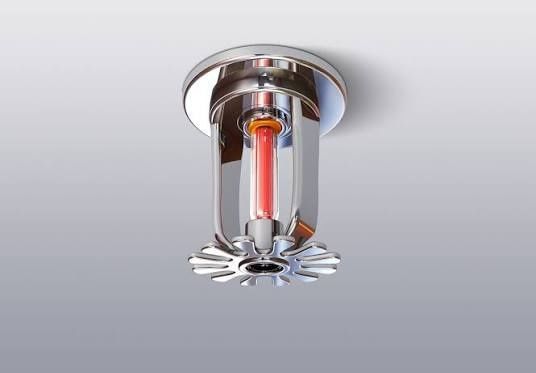
An automatic fire sprinkler system usually activates individual sprinkler heads near the heat source rather than activating every sprinkler at once. Each head contains a heat-sensitive element designed to respond when surrounding temperatures rise beyond its rated level.
Fire sprinkler system design varies according to building size, occupancy, fire risk, water availability, and local rules. Commercial fire sprinkler systems may protect offices, warehouses, retail buildings, schools, and other public spaces, while industrial fire sprinkler systems may address hazards linked to manufacturing, storage, machinery, or combustible materials.
Main Components of a Fire Sprinkler System
| Component | Main Function |
|---|---|
| Sprinkler head | Releases water when activated by heat |
| Pipe network | Carries water throughout the protected area |
| Control valve | Controls water flow within the system |
| Water supply | Provides water for sprinkler operation |
| Alarm device | Signals when water begins flowing |
| Pressure gauge | Indicates system pressure |
Fire protection systems may combine sprinklers with alarms, smoke detection, emergency communication, and other safety measures. Fire suppression systems can also use water mist, foam, gas, or other agents depending on the type of hazard.
Importance
Fire sprinklers matter because fires can develop quickly and create dangerous heat, smoke, and structural damage. An automatic system can begin controlling a fire before manual firefighting activity reaches the affected area. This early response may help limit fire growth and support safer evacuation conditions.
Fire sprinkler installation affects many groups, including residents, building owners, employees, visitors, facility managers, and emergency responders. The system must match the building layout and expected hazards. A warehouse containing high storage racks, for example, may require a different arrangement from an apartment building or office.
Fire sprinkler inspection and fire sprinkler maintenance are also important because valves, pipes, alarms, and sprinkler heads can become damaged, blocked, corroded, or incorrectly positioned. Changes to walls, ceilings, storage layouts, and building use may also affect how a system performs.
Fire sprinkler repair may be needed when testing identifies leaks, damaged components, pressure problems, or other faults. Qualified fire sprinkler contractors and fire protection contractors commonly work with building plans, technical standards, and local requirements when evaluating these systems.
Recent Updates
From 2024 through 2026, the general trend in fire protection has focused on smarter monitoring, improved system data, and closer integration between building safety technologies. Digital monitoring tools can track valve status, water pressure, and other system conditions, helping building managers identify unusual changes.
Modern fire sprinkler system design is also increasingly influenced by changing building layouts, large warehouses, automated storage systems, battery-related hazards, and complex industrial environments. Industrial fire sprinkler systems may require detailed hazard analysis because manufacturing processes and stored materials can create different fire behavior.
Another trend involves water management. Designers continue to examine how sprinkler coverage, water supply, and system efficiency can be balanced while maintaining required safety performance. Fire suppression system installation may also involve specialized technologies when water alone is not suitable for a particular hazard.
Laws or Policies
Fire sprinkler requirements are generally shaped by national or regional building codes, fire codes, occupational safety rules, and technical standards. Exact requirements vary by country, state, province, municipality, building type, and occupancy classification.
Authorities may require fire sprinkler installation in certain new buildings, high-rise structures, residential developments, warehouses, or buildings with specific fire risks. Existing buildings may also become subject to additional requirements during major renovation, expansion, or a change in building use.
Common regulatory areas include:
- System design and water supply requirements
- Approved sprinkler locations and spacing
- Inspection and testing procedures
- Documentation and recordkeeping
- Access to control valves and fire department connections
- Requirements for alterations and system changes
Because local rules differ, official building and fire authorities are important sources for current requirements. Technical standards may also define how fire sprinkler inspection, testing, and maintenance activities are documented.
Tools and Resources
Several resources can help people understand fire protection systems and their basic requirements. National and local fire authorities often publish building codes, inspection guidance, permit information, and safety documents.
Useful resources may include:
- Building code databases for occupancy and construction requirements
- Fire code documents covering system operation and inspection
- Hydraulic calculation tools used in fire sprinkler system design
- Digital inspection checklists for recording system conditions
- Building information modeling platforms for planning pipe layouts
- Maintenance logs for tracking inspections, tests, and component changes
Technical drawings and system records can also help identify sprinkler locations, control valves, water connections, and previous modifications. Complex calculations and formal compliance decisions generally require appropriately qualified personnel.
FAQs
What is a fire sprinkler system?
A fire sprinkler system is a network of pipes and heat-activated sprinkler heads designed to release water when fire conditions raise the temperature around a sprinkler head. Its main purpose is to control or suppress fire development.
How does an automatic fire sprinkler system activate?
Most sprinkler heads contain a heat-sensitive element. When the surrounding temperature reaches the head's activation level, that element releases, allowing water to flow from the affected sprinkler.
How often is fire sprinkler inspection required?
Inspection frequency depends on local rules, system type, building use, and applicable technical standards. Different components may require checks at different intervals.
What is involved in fire sprinkler maintenance?
Fire sprinkler maintenance may include checking valves, gauges, alarms, sprinkler heads, pipes, water supplies, and system records. The purpose is to identify conditions that could affect normal operation.
Are fire suppression systems the same as fire sprinklers?
Not always. Fire sprinklers are one type of fire suppression technology that commonly uses water. Other fire suppression systems may use water mist, foam, gas, or specialized agents for particular hazards.
Conclusion
A fire sprinkler system is an important part of building fire protection and works through a coordinated network of water supplies, pipes, valves, and heat-activated sprinkler heads. System design depends on building characteristics, occupancy, hazards, and applicable rules. Inspection, maintenance, accurate records, and appropriate system changes help preserve intended operation over time. Modern developments continue to focus on monitoring, system integration, and changing fire risks.