Biometric Attendance Systems Overview for Accurate Employee Time Records
Biometric attendance systems are digital tools used to record employee working hours by verifying physical or behavioral characteristics.
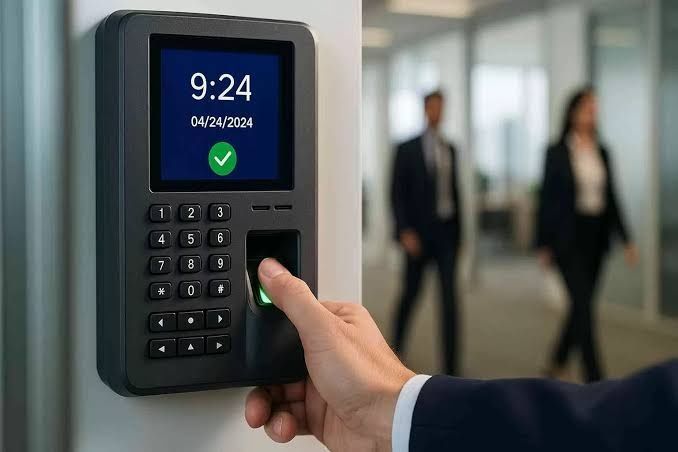
A biometric attendance machine may use a fingerprint, facial features, or another identity marker to confirm that the person recording attendance is the registered employee.
These systems developed as an alternative to paper registers, punch cards, and manual entry methods. A biometric time attendance system creates a digital record when an employee checks in or out, helping organizations maintain consistent time records and reduce errors linked to manual processes.
How Biometric Verification Works
An employee biometric attendance system usually begins with enrollment. The system captures a biometric characteristic and converts it into a digital template used for later comparison.
Common approaches include:
- Fingerprint attendance system: Matches a scanned fingerprint with a stored template.
- Facial recognition attendance system: Uses facial characteristics to verify identity.
- Biometric access control system: Connects identity verification with entry permissions.
- Cloud based biometric attendance system: Stores or processes attendance information through connected online infrastructure.
A biometric identity management system may also connect identity records across attendance, access, and administrative platforms.
Why Accurate Attendance Records Matter
Accurate time records affect employees, managers, payroll teams, and organizations. An employee time tracking system can document arrival times, departure times, shifts, breaks, and attendance patterns in a consistent format.
Manual records may contain typing mistakes, missing entries, duplicate records, or attendance marked by another person. Biometric verification can reduce some of these issues because the record is linked to an enrolled identity.
Connection With Workforce Administration
An enterprise attendance management system may combine attendance data from several departments or locations. A biometric workforce management system can also connect attendance records with shift planning, leave records, and payroll calculations.
A biometric payroll integration system can transfer approved attendance information into payroll processes. However, organizations still need procedures for missed scans, device errors, approved leave, remote work, and record corrections.
| System Type | Main Function | Common Record Created |
|---|---|---|
| Fingerprint system | Fingerprint verification | Check-in and check-out time |
| Facial recognition system | Face-based verification | Attendance event |
| Access control system | Entry verification | Door or area access record |
| Cloud-connected system | Centralized data handling | Multi-location attendance record |
| Integrated platform | Links multiple functions | Attendance and workforce data |
Current Technology Trends
From 2024 to 2026, the general trend has moved toward contactless verification, mobile-enabled attendance, cloud connectivity, and integration between workplace systems. Facial recognition attendance system technology has become more visible where organizations want touchless identity checks.
Another development is the wider use of an advanced workforce management system that combines attendance, scheduling, reporting, and identity controls. Integrated biometric access control can also connect physical entry records with attendance data, although the two functions may remain separate depending on organizational policy.
Government attendance platforms in India continue to demonstrate the use of digital and biometric attendance across public organizations. The national attendance portal provides manuals, device information, policies, and other operational material for Aadhaar-enabled attendance systems.
Privacy and Data Rules in India
Biometric attendance involves personal data, so data handling is an important part of system administration. In India, the Digital Personal Data Protection Act, 2023 established a framework for digital personal data, while the Digital Personal Data Protection Rules, 2025 provided further implementation details.
Organizations handling digital personal data need to consider lawful processing, clear notices, appropriate security safeguards, data retention, and individual rights under the applicable framework. Attendance records should therefore be managed with defined access controls and documented data-handling procedures.
Aadhaar-based attendance has also been used within parts of government administration through the Aadhaar Enabled Biometric Attendance System. The official attendance platform includes operational policies and guidance for participating organizations.
Useful Tools and Resources
Organizations evaluating workforce attendance management software can use several types of resources to understand system requirements and record flows.
Useful resources include:
- Attendance policy templates for defining check-in, correction, and approval procedures.
- Data retention schedules for documenting how long attendance records are kept.
- Access control matrices for identifying who can view or change records.
- Payroll reconciliation templates for comparing approved hours with payroll data.
- System audit logs for reviewing changes, device activity, and administrative actions.
- Official Indian government attendance portals for information about Aadhaar-enabled attendance frameworks.
Testing templates can also help organizations examine device accuracy, network interruptions, duplicate records, and exception handling before wider deployment.
Frequently Asked Questions
What are biometric attendance systems?
Biometric attendance systems verify an enrolled identity using characteristics such as fingerprints or facial features and create digital attendance records. They are commonly used to document employee check-in and check-out activity.
How does a biometric attendance machine record employee time?
A biometric attendance machine captures a biometric input, compares it with an enrolled template, and records the attendance event when verification succeeds. The record may include the employee identifier, time, device, and location information where applicable.
What is the difference between a fingerprint attendance system and facial recognition attendance system?
A fingerprint attendance system uses fingerprint patterns for verification, while a facial recognition attendance system analyzes facial characteristics. Their suitability depends on workplace conditions, privacy requirements, device setup, and operational needs.
Can a biometric time attendance system connect with payroll?
Yes. A biometric payroll integration system can transfer approved attendance data into payroll workflows. Human review may still be needed for leave, missed entries, overtime, and corrections.
Is a biometric access control system the same as an attendance system?
Not exactly. A biometric access control system manages permission to enter a location, while an attendance system records working-time events. Integrated biometric access control may connect both functions within a broader platform.
Conclusion
Biometric attendance systems provide a structured way to create employee time records through identity verification. Modern systems may combine fingerprints, facial recognition, cloud connectivity, access controls, and workforce administration functions. Their use also raises important questions about privacy, security, retention, and accurate record handling. Clear policies and appropriate data governance remain important parts of biometric attendance management.