Fitness Club Guide for Beginners: Discover Routines, Equipment, and Health Benefits
A fitness club is a dedicated space where individuals engage in physical exercise, strength training, and wellness activities.
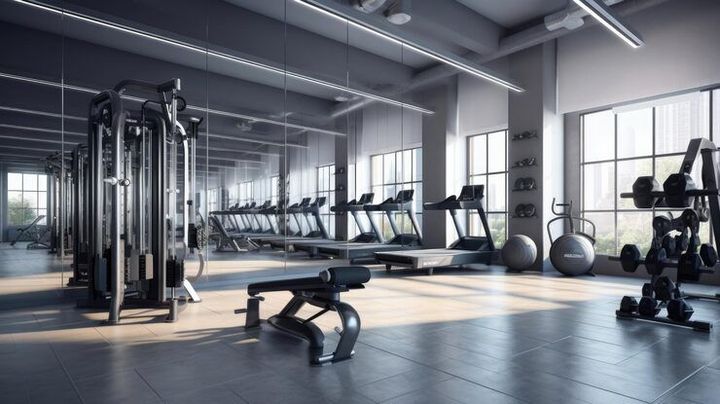
These clubs typically provide access to equipment such as treadmills, weights, and resistance machines, along with areas for group workouts, stretching, and recovery. The concept of fitness clubs has evolved over time, moving from simple gym setups to comprehensive wellness centers that include digital tracking, personalized routines, and community-based activities.
Fitness clubs exist to support individuals in maintaining physical health, improving endurance, and managing lifestyle-related conditions. In modern urban environments, where sedentary lifestyles are common, these clubs offer structured environments that encourage regular movement and healthier habits. They are designed to cater to a wide range of people, from beginners to experienced athletes, and often include guidance through trainers, digital tools, and structured programs.
Why Fitness Clubs Are Important Today
Fitness clubs play a significant role in promoting overall well-being in today’s fast-paced world. With increasing awareness about physical and mental health, more people are turning to organized fitness environments to stay active.
The importance of fitness clubs can be understood through several key aspects:
Physical Health and Disease Prevention
Regular exercise helps reduce the risk of conditions such as obesity, heart disease, and diabetes. Fitness clubs provide access to equipment and routines that support consistent physical activity.
Mental Well-being
Exercise has been linked to reduced stress, improved mood, and better sleep. Fitness clubs often create environments that promote relaxation and focus through structured workouts.
Community and Motivation
Being part of a fitness environment encourages consistency. Group classes and shared goals can motivate individuals to stay committed.
Accessibility to Structured Workouts
Many individuals find it challenging to design effective routines. Fitness clubs simplify this by offering guided programs and organized spaces.
Recent Updates and Trends in Fitness Clubs (2025–2026)
Fitness clubs have undergone significant changes in recent years, particularly with the integration of technology and evolving user preferences.
Digital Fitness Integration
In 2025, many fitness clubs began incorporating wearable technology and mobile apps to track workouts, heart rate, and calories burned. Apps like MyFitnessPal and Nike Training Club are commonly used alongside club activities.
Hybrid Fitness Models
Post-2024, hybrid fitness models have become popular, combining in-club workouts with online sessions. This allows users to maintain consistency even when they cannot visit physically.
Focus on Functional Training
Functional fitness, which emphasizes real-life movement patterns, has gained popularity. Clubs now include spaces for mobility training, balance exercises, and core strengthening.
Mental Wellness Integration
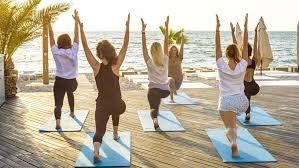
Fitness clubs are increasingly incorporating mindfulness sessions, yoga, and recovery zones, recognizing the connection between physical and mental health.
Sustainability Initiatives
Some fitness clubs introduced eco-friendly equipment and energy-efficient systems in 2025, reflecting growing environmental awareness.
Laws and Policies Affecting Fitness Clubs in India
Fitness clubs in India operate under various regulations to ensure safety, hygiene, and fair practices.
Health and Safety Standards
Clubs must comply with local municipal health regulations, including sanitation, ventilation, and equipment maintenance standards.
Consumer Protection Regulations
Under the Consumer Protection Act 2019, fitness clubs are required to provide transparent information about memberships and services, ensuring fair practices.
Licensing Requirements
Fitness centers may require local business licenses and approvals from municipal authorities depending on the city.
Data Privacy Rules
With the use of digital apps and tracking systems, clubs must comply with data protection guidelines, especially under evolving IT regulations in India.
Fire and Safety Compliance
Clubs must adhere to fire safety norms, including emergency exits, fire extinguishers, and evacuation procedures.
Tools and Resources for Fitness Club Users
There are several tools and resources that can enhance the fitness club experience and help individuals track their progress effectively.
Mobile Apps for Tracking Progress
- MyFitnessPal – Tracks calories, nutrition, and exercise
- Nike Training Club – Offers guided workouts
- Fitbit – Monitors activity and sleep patterns
Online Workout Platforms
Websites and platforms provide structured workout plans, video tutorials, and fitness challenges.
Wearable Devices
Smartwatches and fitness bands help track steps, heart rate, and performance metrics.
Nutrition Calculators
Online tools calculate daily calorie intake and macronutrient needs based on fitness goals.
Workout Templates
Pre-designed workout plans help beginners follow structured routines without confusion.
Fitness Club Equipment Overview
Below is a simple table explaining common fitness club equipment and their uses:
| Equipment Type | Purpose | Example Use Case |
|---|---|---|
| Cardio Machines | Improve heart health | Running, cycling |
| Free Weights | Build strength | Dumbbells, barbells |
| Resistance Machines | Target specific muscle groups | Leg press, chest press |
| Functional Equipment | Enhance mobility and balance | Kettlebells, resistance bands |
| Recovery Tools | Support muscle recovery | Foam rollers, massage tools |
Common Questions About Fitness Clubs
What is the difference between a gym and a fitness club?
A gym typically focuses on equipment and workouts, while a fitness club may include additional facilities such as group classes, wellness programs, and recovery areas.
How often should someone visit a fitness club?
Most health guidelines suggest engaging in physical activity at least 3–5 times per week, depending on individual goals and fitness levels.
Are fitness clubs suitable for beginners?
Yes, fitness clubs are designed to accommodate all levels. Beginners can start with basic routines and gradually increase intensity.
What should someone bring to a fitness club?
Basic items include comfortable workout clothes, a water bottle, a towel, and appropriate footwear.
How can someone stay consistent with workouts?
Setting realistic goals, following structured routines, and tracking progress using apps or journals can help maintain consistency.
Conclusion
Fitness clubs have become an essential part of modern health and wellness culture. They provide structured environments that support physical activity, mental well-being, and long-term health goals. With advancements in technology, evolving fitness trends, and increasing awareness about healthy lifestyles, fitness clubs continue to adapt to the needs of diverse users.
Understanding how fitness clubs work, their benefits, and the tools available can help individuals make informed decisions about their fitness journey. Whether someone is just starting or looking to improve their routine, fitness clubs offer a reliable and supportive space for achieving personal health goals.
Disclaimer: The information provided in this article is for informational purposes only. We do not make any claims or guarantees regarding the accuracy, reliability, or completeness of the information presented. The content is not intended as professional advice and should not be relied upon as such. Readers are encouraged to conduct their own research and consult with appropriate professionals before making any decisions based on the information provided in this article.