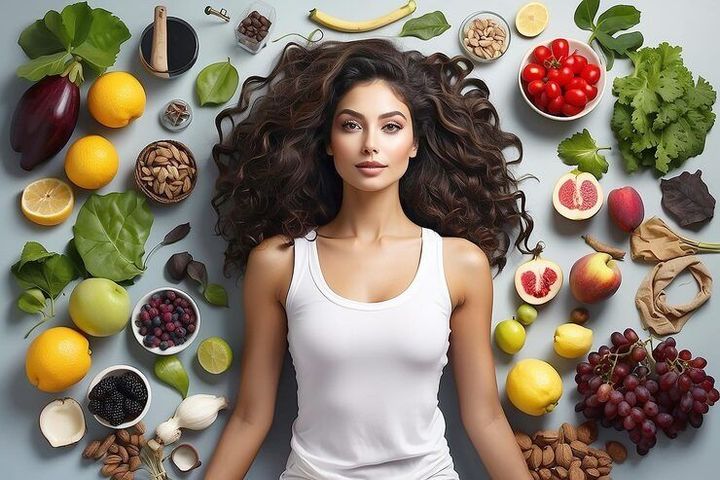
Foods for Hair Growth Details: Explore Vitamins, Minerals, Proteins, Healthy Foods, and Nutrition Factors
Foods for hair growth are often discussed because hair follicles require energy, protein, vitamins, minerals, and other nutrients to support normal growth and maintenance. Hair itself is largely made from keratin, a structural protein, so adequate nutrition is one part of maintaining normal hair health. However, diet is only one factor, and hair loss can also be associated with genetics, hormonal changes, illness, medications, stress, and other conditions.
A balanced diet provides nutrients through a combination of foods rather than relying on one particular ingredient. Protein sources, vegetables, fruits, whole grains, nuts, seeds, legumes, dairy foods, eggs, and fish can contribute different nutrients that are relevant to normal hair and body function.
Nutrition becomes particularly relevant when a person does not consume enough calories, protein, iron, zinc, or certain vitamins and minerals. The American Academy of Dermatology notes that inadequate intake of protein, iron, zinc, or biotin can be associated with noticeable hair loss.
Why Nutrition Matters for Hair
Hair follicles are active structures that require nutrients for normal cellular activity. When the body does not receive adequate nutrition, hair growth can be affected because the body prioritizes essential functions.
Very restrictive diets or significant reductions in calorie and protein intake can therefore contribute to hair shedding in some people. Maintaining an adequate and varied dietary pattern is generally more relevant than focusing on a single food.
Importance
Understanding foods for hair growth matters because nutrition can influence hair health, while nutritional deficiencies can sometimes contribute to thinning or increased shedding. A varied diet can provide many of the nutrients needed for normal body functions without requiring a specialized eating pattern.
Nutrition is especially relevant for people whose diets lack variety, those following restrictive eating patterns, and individuals who may have a confirmed nutrient deficiency. At the same time, improving nutrition does not address every cause of hair loss.
Key Nutrients for Hair Health
Several vitamins and minerals are associated with normal hair and follicle function. Their roles differ, and having more of a nutrient than the body needs does not necessarily improve hair growth.
Vitamin A supports normal cell function and helps maintain the skin and other tissues. Foods containing vitamin A or its precursors include leafy green vegetables, orange vegetables, and some animal foods.
Vitamin C contributes to collagen formation and helps the body absorb iron from plant foods. Fruits such as oranges, berries, and other vitamin-C-containing foods can contribute to dietary intake.
Vitamin D is involved in several biological processes, including those associated with hair follicles. Research has examined relationships between vitamin D status and hair disorders, although nutrition alone cannot explain all forms of hair loss.
B vitamins have different functions in the body. Biotin, also known as vitamin B7, is involved in metabolic processes and the production of certain proteins. Although biotin deficiency can be associated with hair problems, evidence does not show that taking additional biotin necessarily increases hair growth when a person already has adequate intake.
Important Minerals
Iron helps transport oxygen through the blood and is particularly important when an individual has iron deficiency. Low iron status can be associated with hair shedding, but iron supplementation should generally be based on an identified deficiency because excessive iron can be harmful.
Zinc contributes to normal cell growth and tissue maintenance. Foods containing zinc include legumes, nuts, seeds, seafood, meat, and some dairy products.
Selenium is needed in small amounts for normal physiological functions, including thyroid-related processes. Foods such as whole grains, seafood, eggs, and nuts can provide selenium, although excessive intake can also be harmful.
Protein and Hair Structure
Protein is one of the central nutrition factors associated with hair because keratin is a protein. Adequate dietary protein can come from animal and plant sources, including eggs, fish, poultry, dairy products, beans, lentils, tofu, nuts, and seeds.
People following restrictive diets should pay attention to overall protein variety and intake. Insufficient protein intake can contribute to hair shedding, particularly when combined with inadequate calorie intake or other nutritional deficiencies.
Recent Updates
Recent research continues to examine the relationship between diet, nutrient status, and hair health. A systematic review published from research evaluated 17 studies involving more than 61,000 participants and found that vitamin D and iron were among the most frequently studied nutritional factors in relation to hair health. The researchers also noted that additional research is needed to clarify these relationships.
Current nutritional guidance continues to emphasize a varied dietary pattern rather than dependence on isolated nutrients. Whole foods can provide vitamins and minerals alongside protein, fiber, healthy fats, carbohydrates, and other components of a balanced diet.
Growing Interest in Food-Based Nutrition
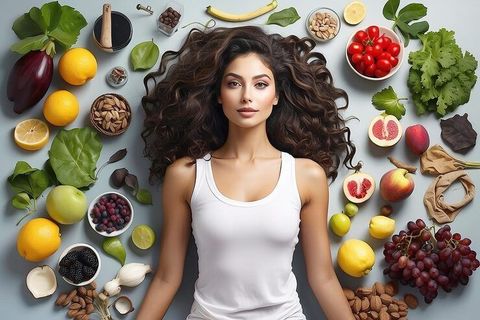
Food-based approaches have received continued attention because many nutrients can be obtained naturally from regular meals. Foods such as fish, eggs, legumes, leafy vegetables, fruits, whole grains, nuts, and seeds provide combinations of nutrients rather than a single isolated compound.
This approach is different from assuming that one food can directly cause hair to grow faster. Hair growth is influenced by many biological factors, and nutritional adequacy is only one part of the picture.
Supplements and Nutrient Excess
Supplements have also received attention in discussions about hair growth. However, taking additional vitamins or minerals without an identified deficiency can be unnecessary and, in some cases, harmful.
The American Academy of Dermatology notes that excessive amounts of certain nutrients, including vitamin A and selenium, have been associated with hair loss. Excess biotin can also interfere with some laboratory tests.
Laws or Policies
Food and dietary supplement rules differ between countries. In India, food and dietary products are regulated through the Food Safety and Standards Authority of India (FSSAI), which establishes requirements relating to food safety, standards, labeling, and related matters.
For consumers, nutrition information should be interpreted according to the product label and applicable food regulations. Statements about a food's nutritional content do not necessarily mean that the food can prevent or treat a particular type of hair loss.
Health-related claims require particular care because hair loss may have medical causes. Nutritional information is therefore most useful when considered as part of general health rather than as a substitute for identifying an underlying condition.
When Professional Assessment May Matter
Persistent or sudden hair loss can have causes unrelated to ordinary dietary choices. The American Academy of Dermatology explains that evaluation may involve examining the scalp and hair and, when appropriate, blood testing for conditions such as nutrient deficiencies, hormone-related problems, or other causes.
A healthcare professional may therefore consider a person's symptoms, diet, medical history, and test results before determining whether a nutritional deficiency is relevant.
Tools and Resources
Several resources can help people understand nutrition and hair health without focusing on individual foods as a single solution.
Food and Nutrient Tables
Nutrition databases can be used to compare the protein, iron, zinc, vitamin content, and other nutritional characteristics of foods. These tables can help explain how different foods contribute to overall nutrient intake.
Dietary Tracking Tools
Food diaries and nutrition-tracking platforms can help record meals and identify broad dietary patterns. They can be particularly useful for understanding whether a diet contains a variety of protein sources, fruits, vegetables, whole grains, and other nutrient-rich foods.
Nutrition Labels
Food labels provide information about ingredients and selected nutrients. Comparing labels can help readers understand the nutritional composition of packaged foods and incorporate them into an overall balanced eating pattern.
Examples of Nutrient-Rich Foods
| Food group | Examples | Nutrients commonly provided |
|---|---|---|
| Protein foods | Eggs, fish, poultry, tofu | Protein, B vitamins, minerals |
| Legumes | Lentils, beans, chickpeas | Protein, iron, zinc, folate |
| Leafy vegetables | Spinach, kale, other greens | Folate, vitamin A precursors, vitamin C |
| Fruits | Oranges, berries, kiwi | Vitamin C and other plant compounds |
| Nuts and seeds | Almonds, walnuts, pumpkin seeds | Healthy fats, protein, minerals |
| Whole grains | Oats, brown rice, whole-grain breads | B vitamins, minerals, fiber |
| Dairy foods | Milk, yogurt, cheese | Protein, calcium, vitamin B12 in many products |
| Fish | Salmon, sardines, mackerel | Protein, vitamin D, omega-3 fatty acids |
A varied diet can combine several of these groups across meals. The appropriate balance depends on age, dietary pattern, activity level, health status, and individual nutritional requirements.
FAQs
What are the best foods for hair growth?
There is no single food that guarantees hair growth. Foods containing adequate protein, iron, zinc, vitamin C, vitamin D, and other nutrients can contribute to overall nutritional adequacy and normal hair health.
Which vitamins are important for hair growth?
Vitamins A, C, D, and several B vitamins have roles related to normal body and hair follicle function. However, taking extra vitamins does not necessarily improve hair growth when nutritional needs are already met.
Does protein help hair growth?
Adequate protein is important because hair is primarily composed of keratin, a structural protein. Low protein intake can contribute to hair shedding, particularly when overall calorie and nutrient intake is also inadequate.
Which minerals are associated with hair health?
Iron and zinc are among the minerals commonly discussed in relation to hair loss and nutrition. Deficiencies can be associated with hair problems, but supplementation should generally be considered when a deficiency has been identified.
Can healthy foods prevent hair loss?
A nutritious diet can help prevent nutritional deficiencies that may contribute to hair shedding, but it cannot prevent every type of hair loss. Genetics, hormones, medical conditions, medications, stress, and other factors can also affect hair.
Conclusion
Foods for hair growth are mainly relevant because hair follicles require adequate energy, protein, vitamins, and minerals for normal function. Protein-rich foods, fruits, vegetables, whole grains, legumes, nuts, seeds, eggs, and fish can contribute to a varied nutritional pattern. Nutrient deficiencies, particularly involving protein, iron, zinc, or certain vitamins, may be associated with hair problems, while excessive supplementation can also create risks. Hair loss has many possible causes, so nutrition should be considered as one part of overall hair-health information rather than a complete explanation.